July 3, 2026 — Anthropic’s accusation that Alibaba carried out the largest known “distillation attack” on its Claude AI model has turned a corporate dispute into a fresh test of how far U.S.-China technology tensions can spill into artificial intelligence markets.
Alibaba Distillation Claim Raises AI Market Risks
The claim matters because AI models have become strategic economic assets, not just software products. If U.S. developers conclude that frontier models can be copied through fraudulent access at scale, the likely response is tighter controls on model access, data flows and cross-border collaboration — raising costs for customers and sharpening the divide between American and Chinese AI ecosystems.
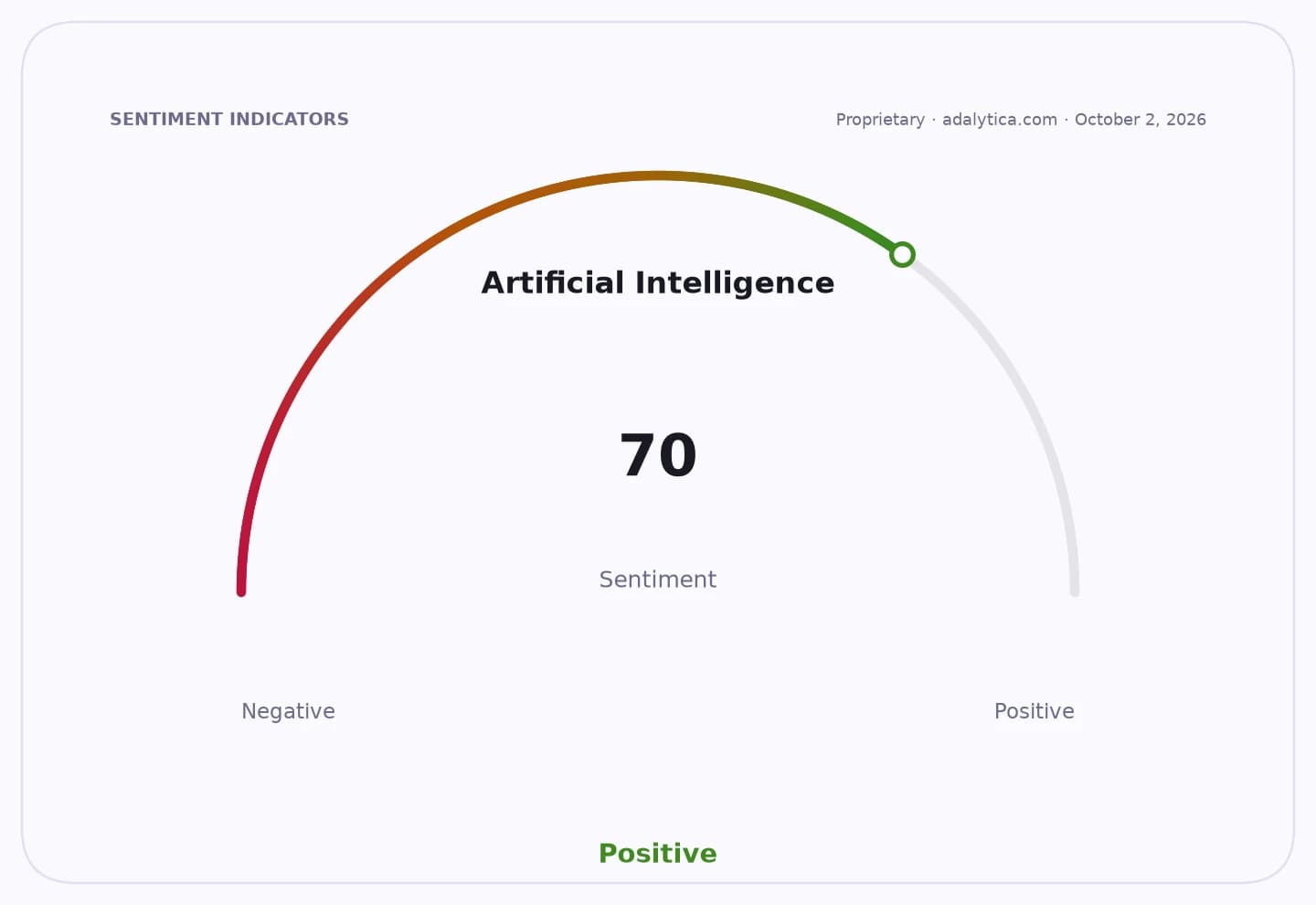
Sentiment IndicatorsⓘProprietary · adalytica.com · July 3, 2026
This is a snapshot — live sentiment, awareness and momentum for 130+ markets update continuously in the dashboard.Open AlphaPulse
Anthropic accused Alibaba of using about 25,000 fraudulent accounts to illicitly access and copy key features of Claude, according to the supplied news context. Alibaba responded by blocking employees from accessing Anthropic’s Claude code. The dispute lands as Washington is already wary of China’s AI ambitions and could strengthen calls for stricter oversight of model security, cloud access and intellectual-property protections.
For Alibaba, the immediate risk is reputational and regulatory. The company is trying to persuade investors that its cloud and AI businesses can drive growth beyond its core e-commerce operations. Allegations of model copying threaten to complicate that pitch by adding potential compliance exposure and limiting access to Western AI tools. Proprietary indicators from Adalytica.com showed Alibaba earnings sentiment falling to 4, labeled “Extreme Fear,” down 37 points in a day, signaling a sharp deterioration in investor perception around the company.
The market read-through extends beyond Alibaba. Anthropic is part of the U.S. frontier AI group competing with Chinese technology champions for enterprise customers, developers and cloud workloads. Any escalation could benefit U.S.-based AI infrastructure providers by reinforcing demand for trusted domestic platforms, while hurting Chinese firms that rely on global developer access or overseas partnerships.
Amazon.com and Alphabet remain central market proxies for that U.S. AI infrastructure trade. Their shares have recently been consolidating after earlier gains: Amazon closed at $242.67 on July 2, below its 50-day moving average but above its 200-day average, while Alphabet closed at $359.91, also below its 50-day average and above its 200-day average, according to standard technical indicators in the supplied price data. That setup suggests investors are still assigning long-term value to AI platforms even as near-term momentum has cooled.
The dispute also puts AI governance back in focus. Alphabet shareholders recently rejected proposals seeking reports on AI data usage and board oversight, according to June 11 regulatory filings, underscoring the tension between investor demand for rapid AI deployment and rising concern over how models are trained, accessed and protected.
The next catalyst will be whether U.S. regulators treat Anthropic’s allegations as an isolated corporate fight or evidence of a broader national-security problem. A tougher policy response would deepen the AI split between the world’s two largest economies and force investors to reassess the regulatory discount applied to Chinese technology stocks.
| Entity | Gains | Losses |
|---|---|---|
| Anthropic and U.S. AI firms | ▲Stronger IP-security case | ▼Higher access-control costs |
| Alibaba | ▲Limited damage if contained | ▼Reputational and regulatory pressure |
| Amazon and Alphabet | ▲Demand for trusted AI platforms | ▼Near-term AI governance scrutiny |