Almaty Heating Networks has clarified that late-payment penalties on hot-water bills in Kazakhstan’s biggest city will not be forgiven automatically, and that customers must first settle the full utility debt, seek a recalculation if needed and then submit a written request with proof of payment.
Almaty Heating Networks clarifies penalty waiver rules
The answer matters because it turns what looked like a broad amnesty into a conditional collection campaign. For households, that means the penalty waiver is less a one-click discount than a procedural hurdle that can keep disputed balances hanging over accounts for months. For the utility, the policy helps protect cash flow and preserves leverage over overdue receivables at a time when municipal service providers are under pressure to collect, not absorb, losses.
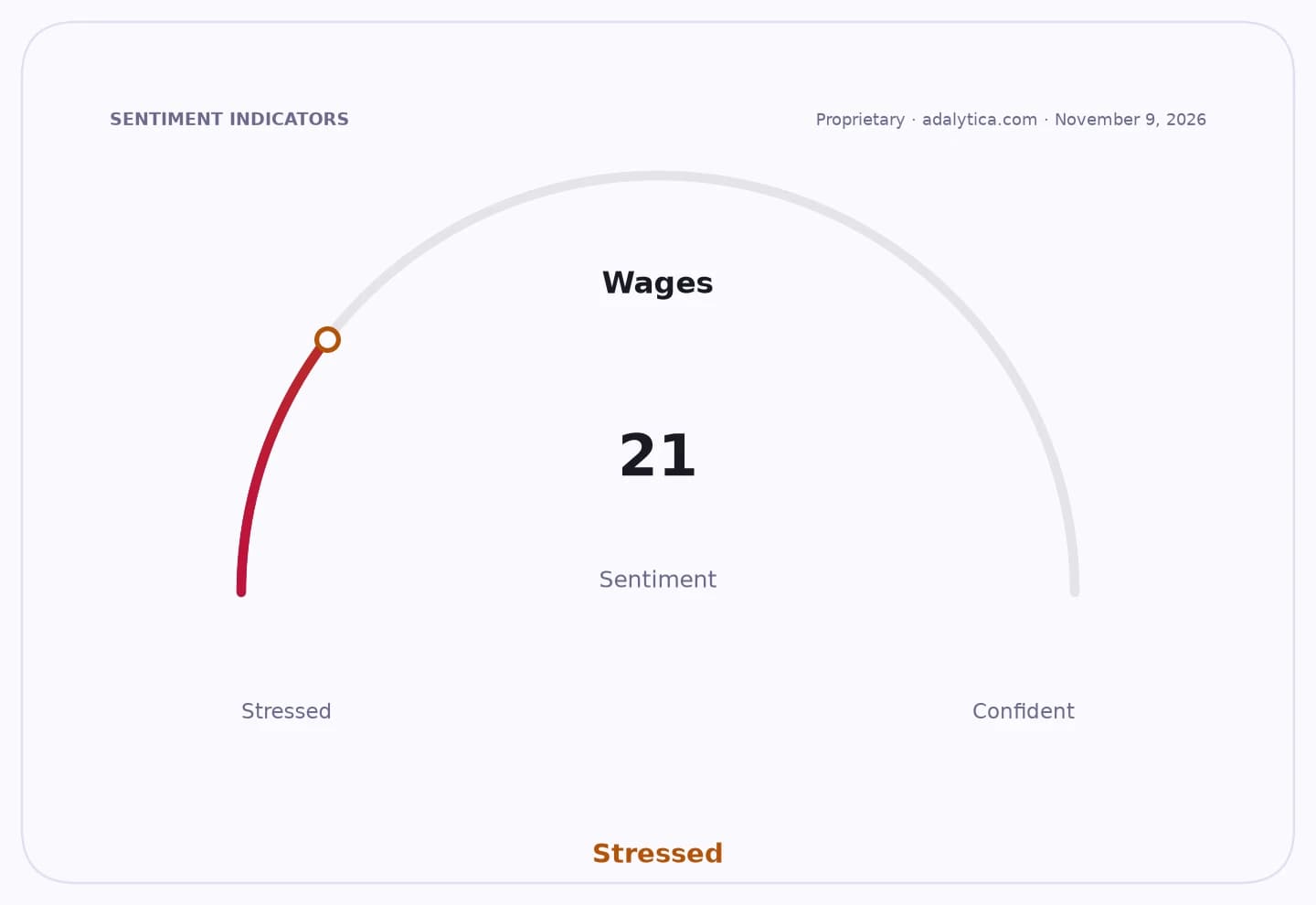
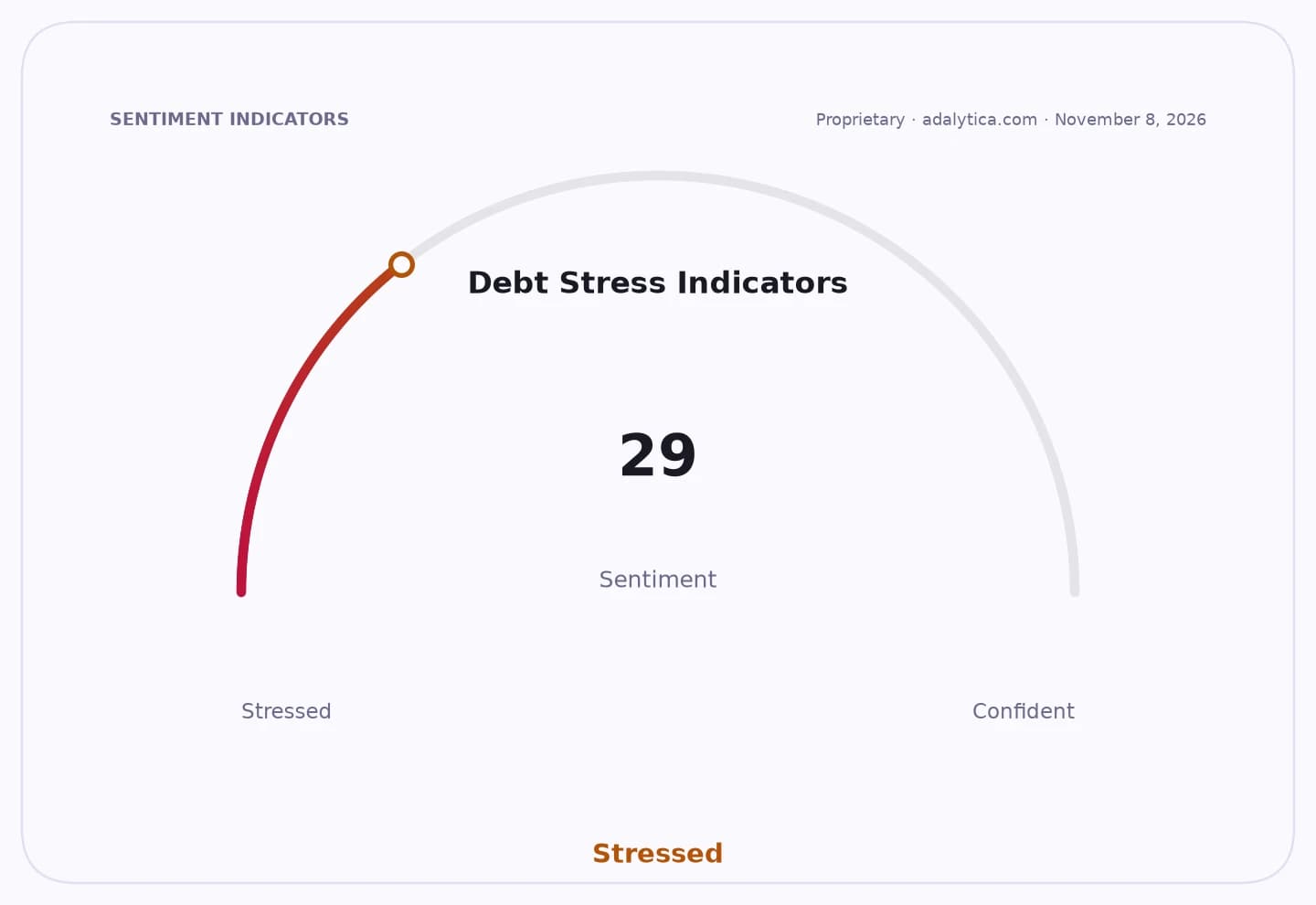
Sentiment Indicators
Almaty Heating Networks, or AlTS, said it calculates charges for thermal energy, including hot water, under Kazakhstan’s tariff rules and will recalculate bills to reflect actual meter readings when customers provide them through its call center, eotinish.kz, the company website, WhatsApp, email or Telegram. But the company also said penalty relief only applies after the hot-water bill has been recalculated and there is no remaining heating debt — and even then, penalties are not cancelled automatically.
The company further said customers must pay the debt in full and then visit one of its service centers or send a written application with a bank receipt. That detail is commercially important because much of Kazakhstan’s utility traffic has shifted to mobile banking and digital channels, yet the final step still requires an in-person or paper-based process. In practice, that raises the collection cost for consumers and increases the administrative burden on households that may already believe they have paid what their meters show.
The dispute also speaks to a deeper issue in utility billing: control of the reference number determines the size of the debt. If a monopolistic supplier continues to use its own consumption estimate even when a registered individual meter exists, it can create a running arrears balance and compound it with penalties. That is why the recalculation process matters economically. It affects not just customer trust, but the company’s ability to turn billed revenue into collected cash without inflating disputed receivables.
For investors in regulated utilities, the story is familiar. Utilities generally depend on predictable bill collection because receivables are working capital, and delayed recovery can force more short-term borrowing or weaken regulated cash flow. The company’s insistence on full payment before penalty relief suggests a priority on preserving revenue discipline, even at the risk of public irritation and slower account resolution.
The upside case for AlTS is that tighter collection rules reduce write-offs and support near-term cash generation. The downside is reputational: if customers conclude the company is effectively ignoring meter readings and making penalty forgiveness hard to claim, disputes could rise, collections could slow and regulators may face more pressure to scrutinize billing practices.
The company said customers have until Dec. 31, 2026, to complete the process. For investors and policymakers, the key takeaway is that this is not a blanket debt write-off but a test of how aggressively a monopoly can enforce payment while still maintaining public confidence in the fairness of its billing system.
| Entity | Gains | Losses |
|---|---|---|
| Almaty Heating Networks | ▲Stronger collections | ▼Customer goodwill |
| Delinquent households | ▲Possible penalty relief | ▼Time and paperwork |
| Regulator | ▲Clearer billing discipline | ▼More consumer complaints |
| Service centers/banks | ▲More foot traffic | ▼Digital convenience |