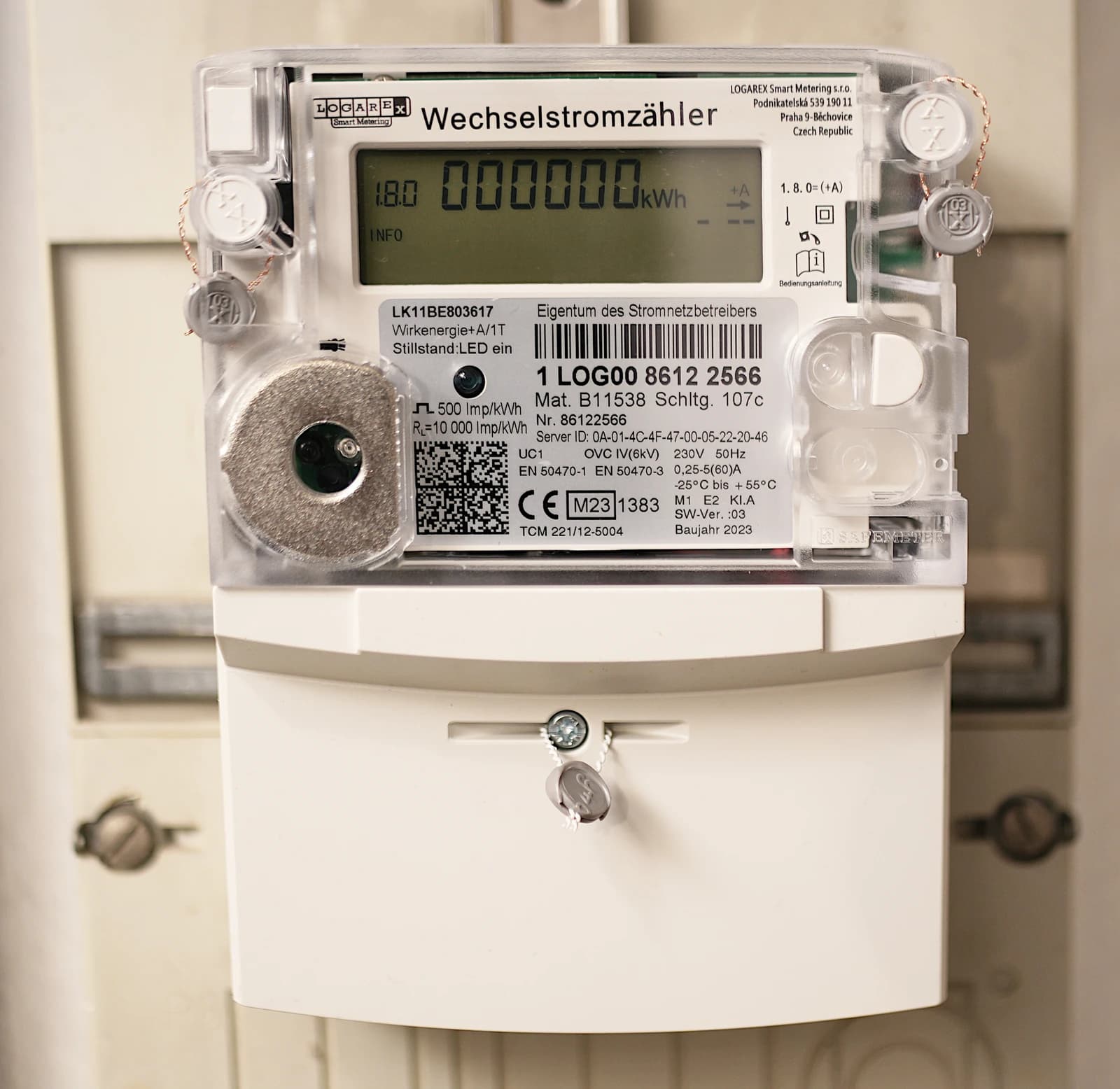
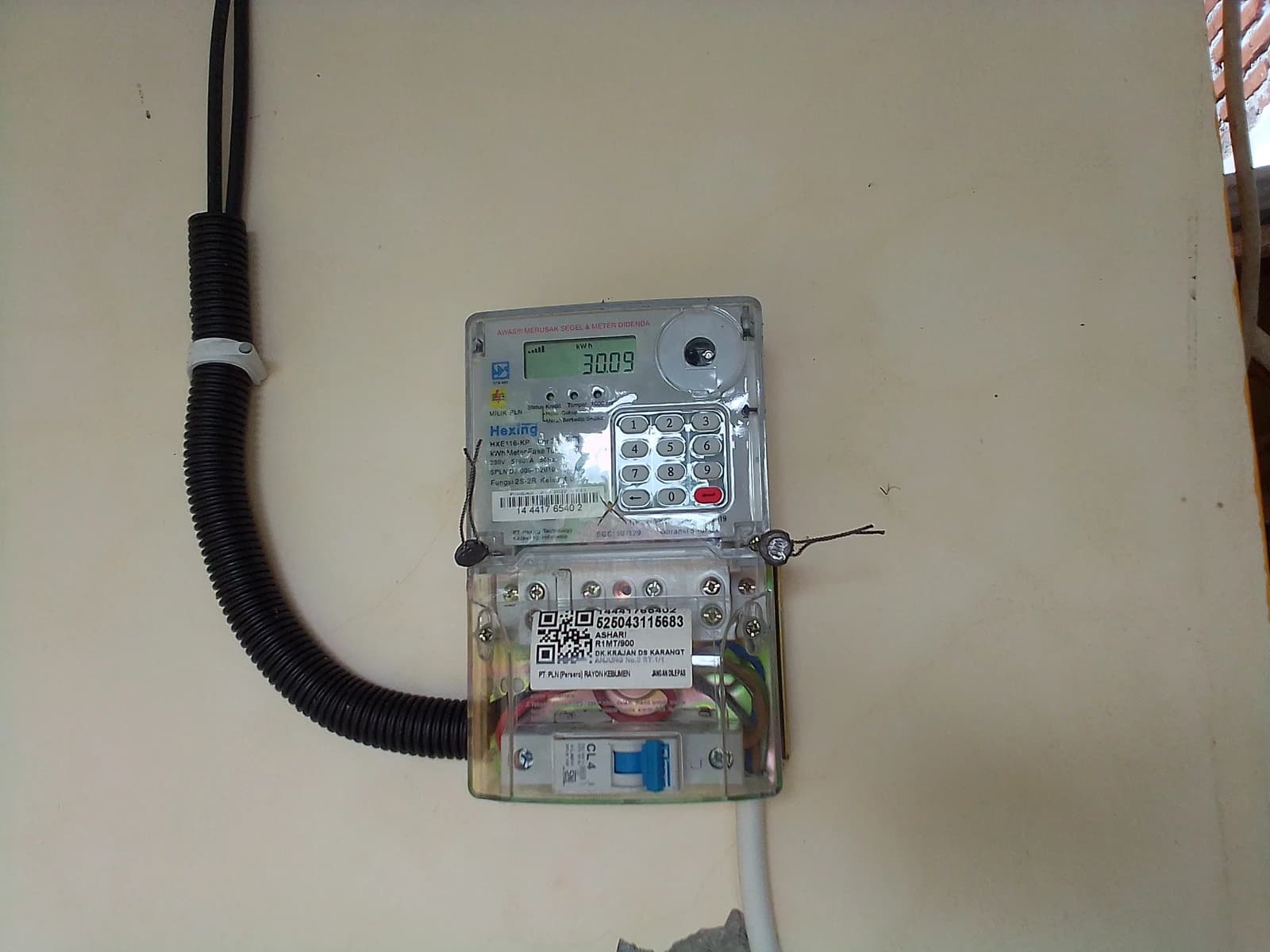
Egypt’s state-owned electricity sector has introduced a prepaid bill-payment option that lets subscribers top up their consumption accounts in advance, a small but meaningful step that could improve household cash-flow management and give the utility faster access to money.
Egypt electricity utility adds prepaid bill payments

The new service, announced by the Ministry of Electricity and Renewable Energy through the Egyptian Electricity Holding Company, allows customers to pay amounts ahead of the monthly bill, with the balance automatically deducted from actual usage. For consumers, the attraction is flexibility: instead of facing a lump-sum payment when the bill arrives, households can spread electricity costs across the month and better manage budgets in an economy where inflation and household expenses remain a daily strain.
Sentiment Indicators
For the power sector, the move fits a broader push to digitize billing and collections, reduce friction in payments and widen the use of electronic channels. That matters because utilities in emerging markets often face weak collection rates, delayed receivables and administrative costs tied to manual billing. Even if the new service does not change tariffs, it can still improve working capital by pulling cash forward and reducing the risk of late payment.
The measure also reflects the government’s effort to make utility services less punitive for consumers while keeping revenues flowing to the system. In a sector where electricity prices and payment discipline can quickly become politically sensitive, giving customers more control over timing can ease complaints without requiring an outright subsidy or tariff cut.
The company said subscribers can inquire about the service through WhatsApp at 01034942060, underscoring the push toward direct digital customer support. That detail matters because utility modernization in Egypt has increasingly been about access as much as finance: simpler service channels, fewer branch visits and faster resolution of billing questions can improve customer satisfaction and, by extension, compliance.
For investors and policy watchers, the immediate economic impact is likely modest, but the direction is important. A more flexible payment system can support collections, help utilities smooth cash flow and gradually build a more data-rich billing environment. The key test will be uptake: if customers embrace the service, it could become part of a wider modernization of the electricity bill process; if not, it will remain a convenience feature with limited financial effect.
| Entity | Gains | Losses |
|---|---|---|
| Electricity Holding Company | ▲Faster collections | ▼More system complexity |
| Subscribers | ▲Budget flexibility | ▼Less bill shock protection |
| State electricity sector | ▲Better digital payments | ▼Upfront implementation costs |
| Late payers | ▲Easier payment timing | ▼Smaller cash float |