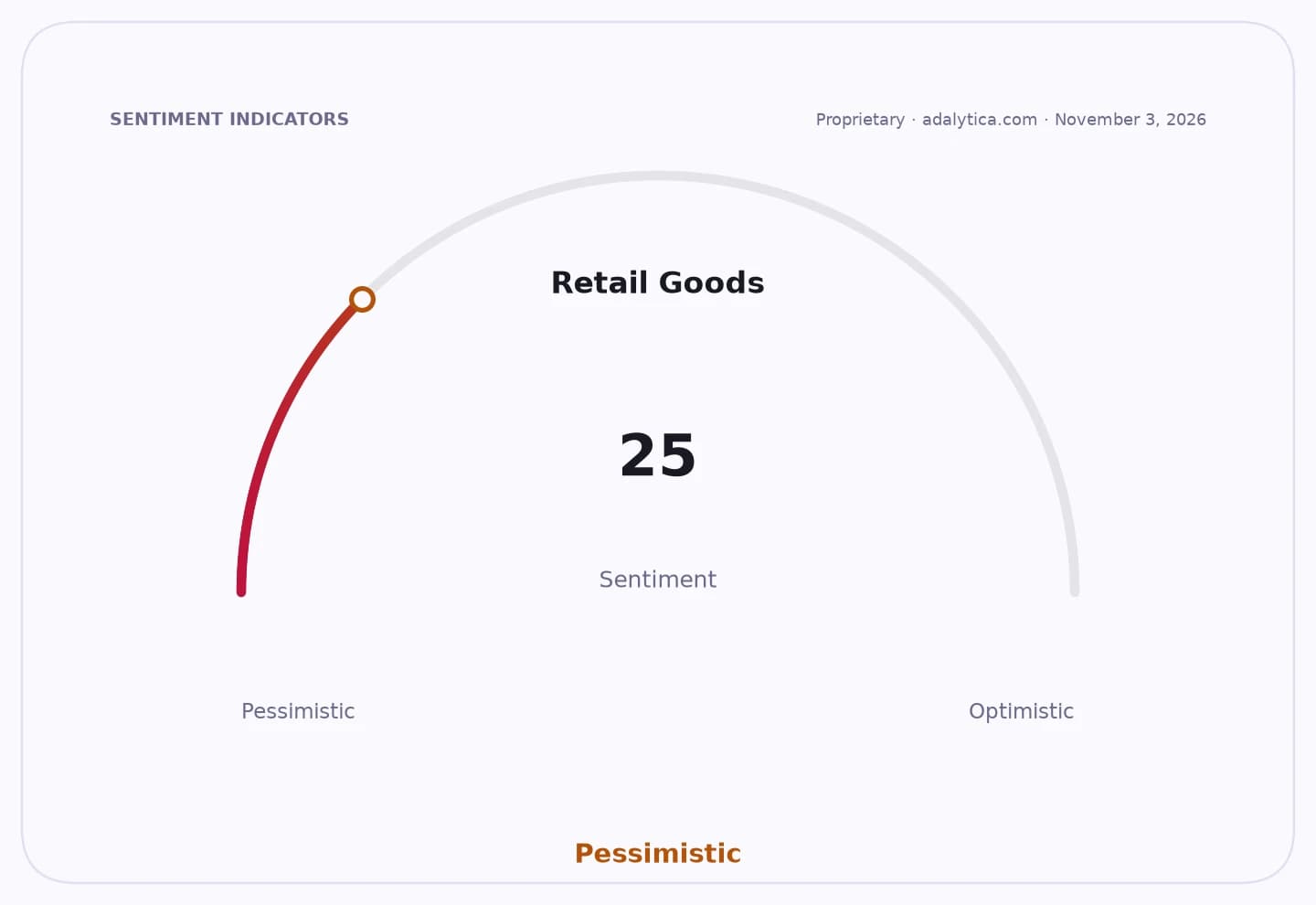
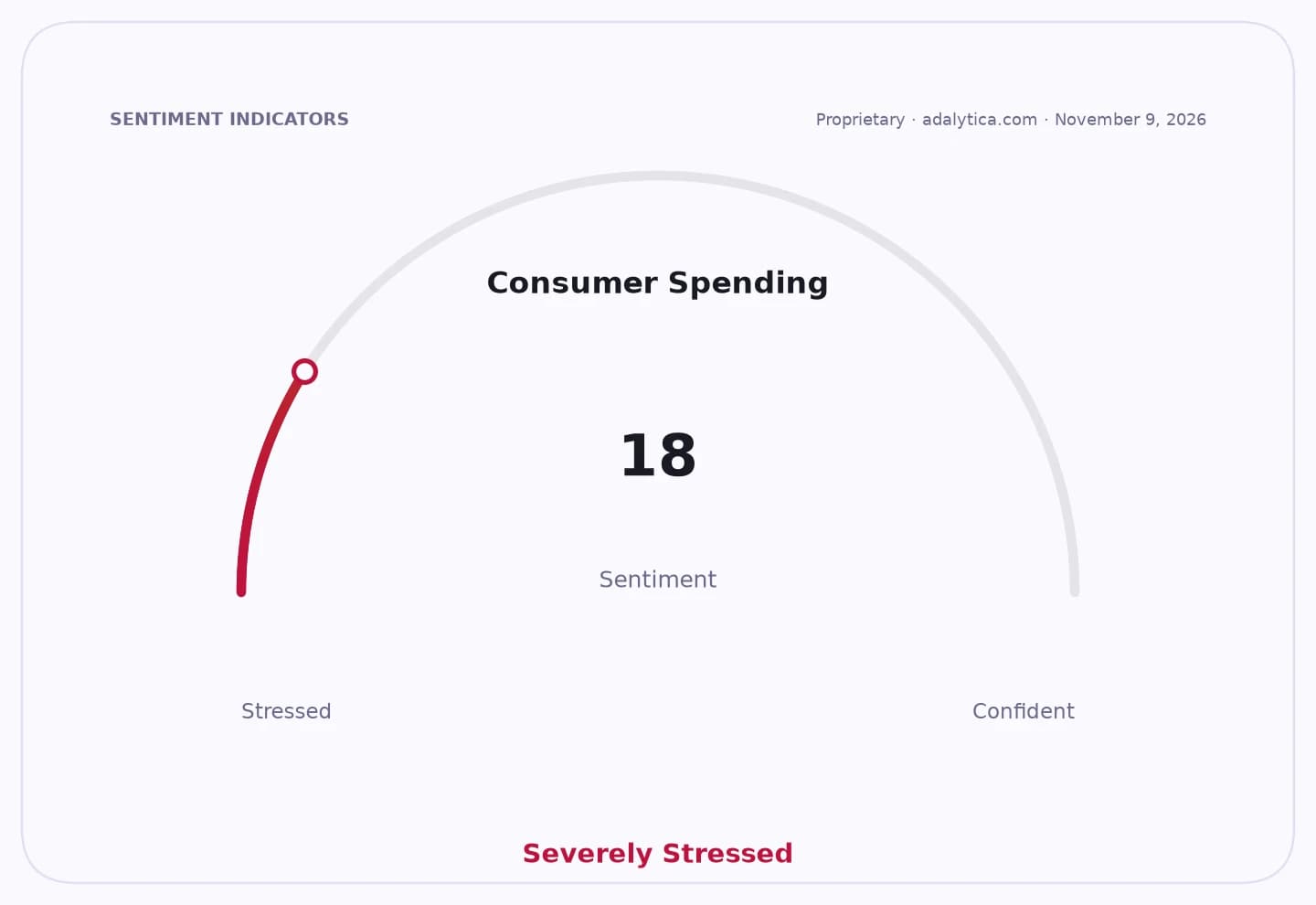
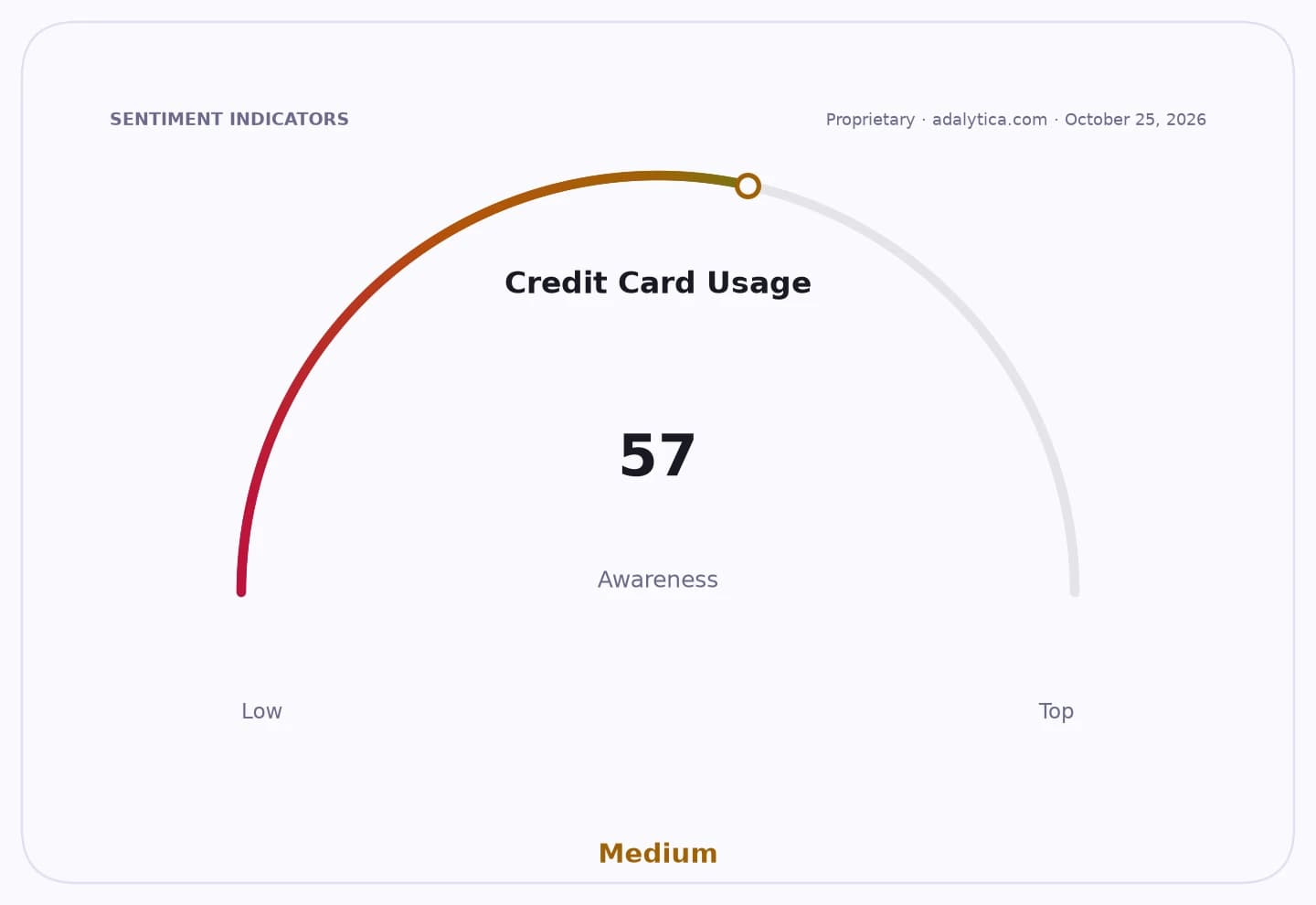
JAKARTA — Indonesia’s state utility PLN says it has not raised electricity tariffs after a wave of social media complaints from households saying their monthly bills suddenly jumped, in some cases by as much as three times, a dispute that highlights how sensitive power costs remain for consumers and how quickly higher usage can hit household budgets.
PLN says Indonesia electricity tariffs unchanged
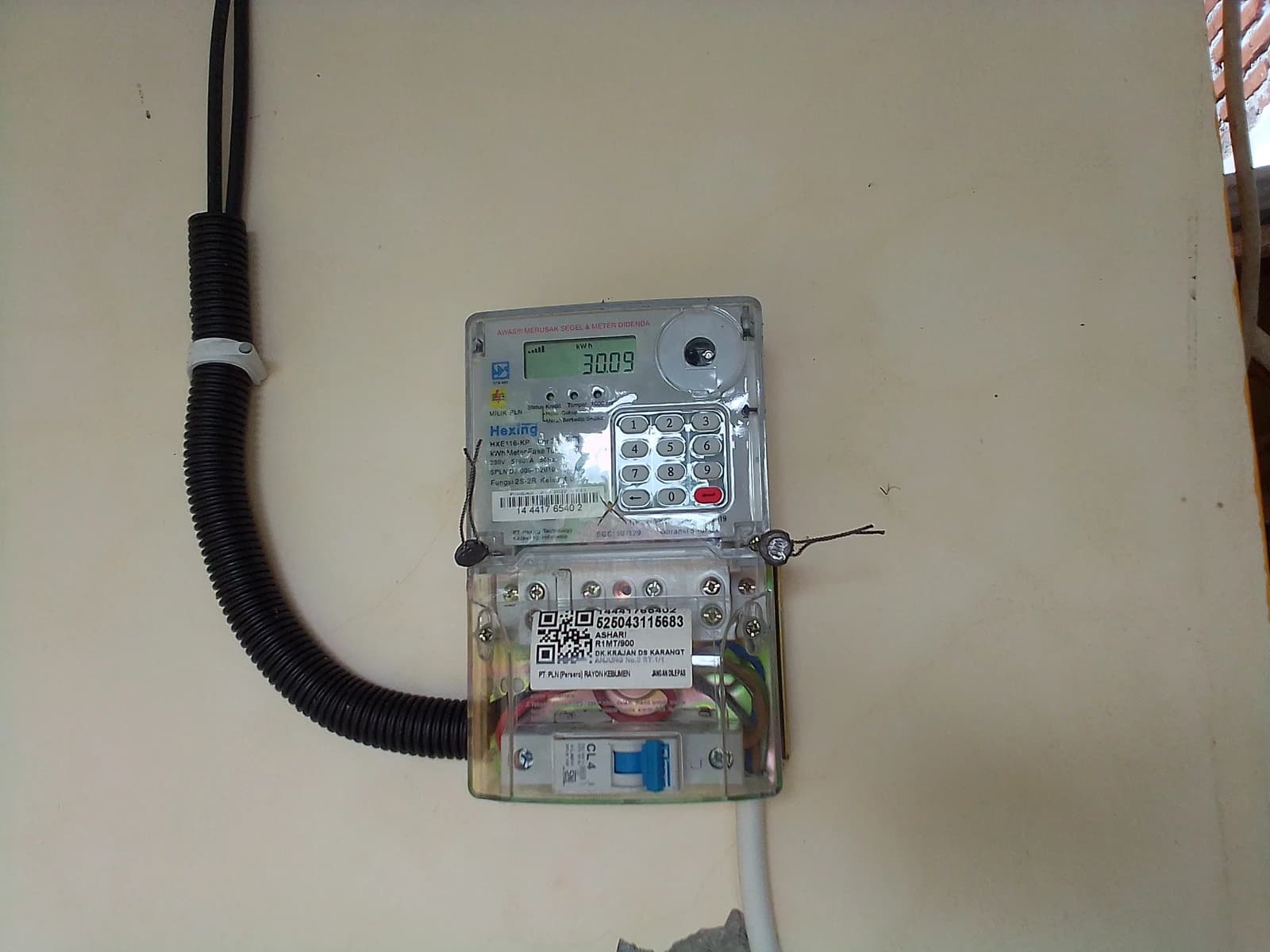
PLN said the October-December 2026 tariff was unchanged and cannot be lifted unilaterally because the government sets rates through the Energy and Mineral Resources Ministry. The company said higher bills are more likely to reflect increased consumption rather than a change in the price per kilowatt-hour.
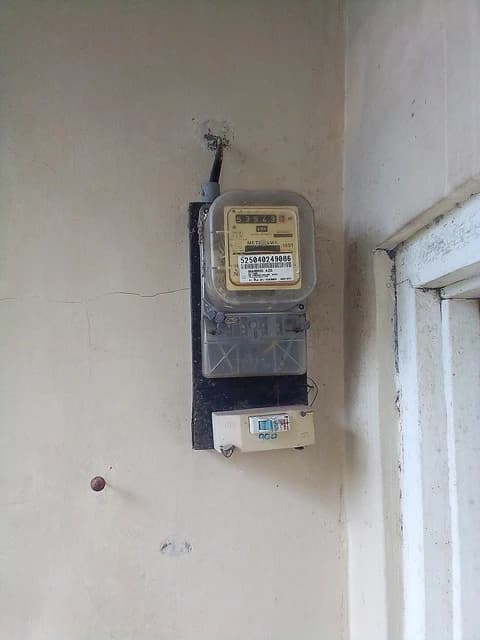
The explanation matters economically because electricity is a basic household expense that feeds directly into consumer spending power, especially when demand rises during hotter weather and families run air conditioners or fans for longer. For many Indonesian households, even a modest increase in consumption can translate into a noticeable monthly bill shock.
PLN’s response also underscores a recurring risk for policymakers: public frustration over utility bills can quickly become a political issue even when tariffs are formally unchanged. The company is trying to steer customers toward its PLN Mobile app, where prepaid users can track token purchases and postpaid customers can estimate charges through the meter-reading feature.
Some users on Threads said their bills surged despite no obvious change in home usage, including one who claimed charges rose threefold from August to September and later reached Rp 1 million in November, while another accused PLN of quietly increasing rates. PLN has urged customers to check appliances, installations and unused devices, saying inefficient equipment or higher household activity can push consumption higher without notice.
For investors, the immediate implication is limited direct tariff risk because PLN says there is no approved rate increase, but the episode reinforces the utility’s exposure to consumer dissatisfaction, regulatory scrutiny and the broader challenge of balancing affordability with rising electricity demand. Any sustained public backlash could increase pressure on the government to tighten oversight or expand consumer support.
The next catalyst will be whether complaints remain isolated or spread further online, and whether regulators face pressure to review billing practices or household tariff assumptions.
| Entity | Gains | Losses |
|---|---|---|
| PLN | ▲defends tariff policy | ▼public criticism over bills |
| Indonesian households | ▲visibility on billing tools | ▼higher monthly power expenses |
| Government / ESDM | ▲tariff control stays intact | ▼pressure to explain prices |
| Consumers with higher usage | ▲can check consumption patterns | ▼face bill shock without tariff change |