Turning down the thermostat and timing use more tightly can trim a geyser’s winter power draw, a small but immediate way for households to offset stubborn electricity costs without waiting for utility tariffs to ease.
Geyser Efficiency Tips to Cut Winter Power Bills
The economics are straightforward: a storage geyser is among the most power-hungry appliances in the home, typically drawing 2,000W to 3,000W, and much of the bill impact comes from habit rather than the appliance itself. Lowering the setting from the common 60-75C range to about 45C-50C, switching it on only 15 to 20 minutes before bathing, and turning it off afterward reduces reheating cycles and standby losses. For cash-strapped households, the savings may be modest on a per-use basis, but over an entire winter they can meaningfully reduce monthly electricity outlays.
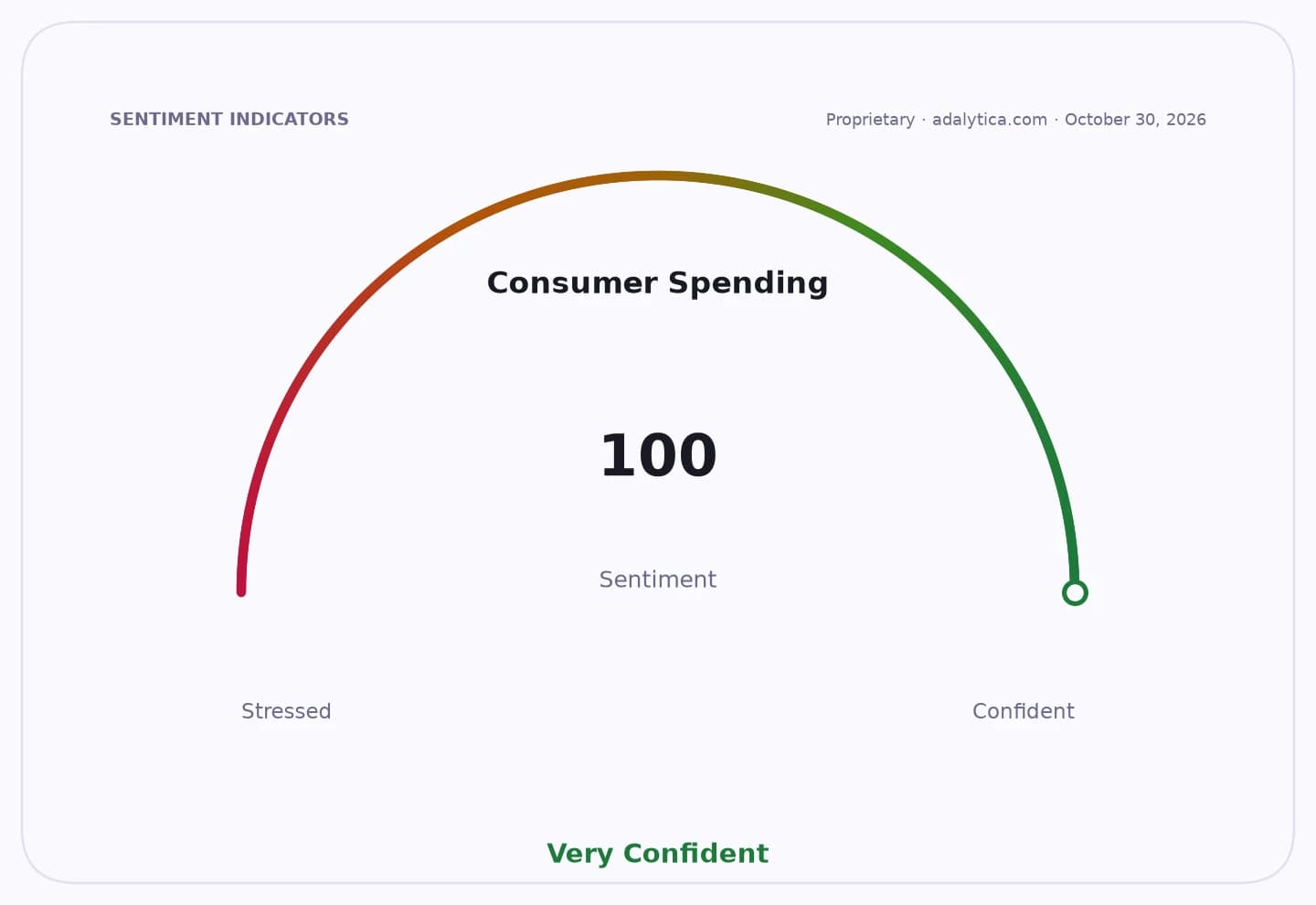
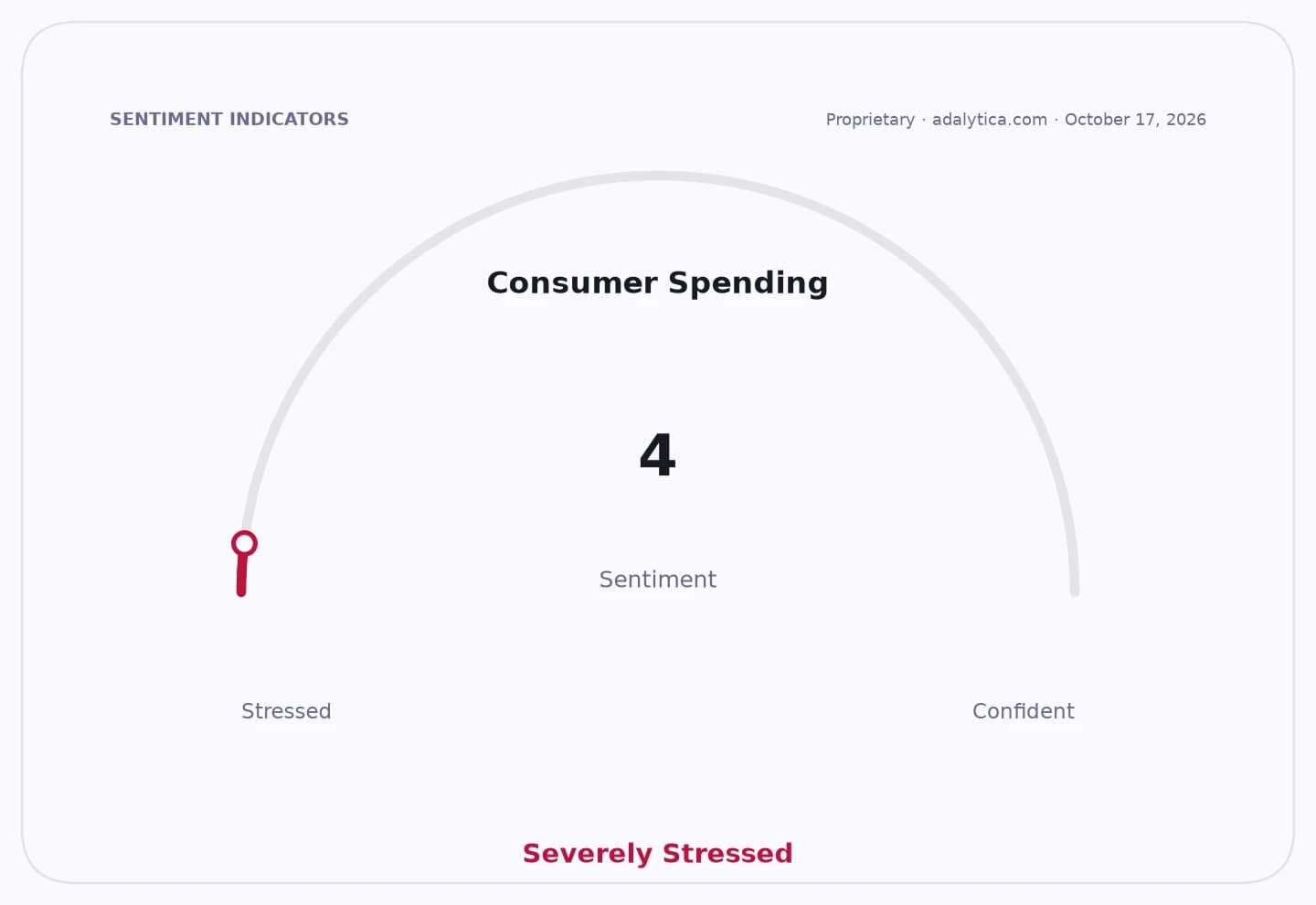
Sentiment Indicators
That matters because electricity prices have become a more visible household expense just as demand rises in colder months. In North India, geysers are back in daily use, and so are bigger power bills. The broader backdrop is a market in which consumers are looking for behavioral fixes because supply-side relief is slow: grid investment, renewable buildout and tariff reforms are long-dated solutions, not immediate ones. The same pressure is also showing up in the clean-energy market, where investments in emerging-market solar and wind are being pushed as a way to lower end-user costs, even as financing, grid bottlenecks and payment risk remain persistent constraints.
For investors, the story is less about one appliance than about a durable shift in electricity consumption patterns. Utilities, appliance makers and energy-efficiency providers all stand to benefit if customers increasingly seek lower-wattage, better-rated equipment and smart controls. The Bureau of Energy Efficiency’s 5-star geysers, smaller tank sizes for smaller households, and instant models for kitchens all point to a replacement cycle that favors efficient products over legacy units. Smart plugs that can automate geyser schedules add another layer of demand for connected-home devices that can track and manage usage in real time.
There is also a cost curve at work. The cheapest watt is the one not consumed, which is why maintenance — descaling tanks, replacing worn anode rods and fixing dripping taps — can have a larger impact than many households expect. In hard-water cities, mineral buildup slows heating and raises electricity use, while poorly insulated pipes and distant bathroom outlets waste heat before it reaches the shower. Those are operational inefficiencies, not structural ones, and that makes them attractive targets for immediate savings.
The bull case for efficiency spending is that it pays back quickly in a higher-bill environment and can be sold as a household budgeting tool rather than an environmental premium. The bear case is that consumers will only upgrade when the old appliance fails, limiting near-term demand. Even so, winter typically concentrates the usage decision, which means this season is when utility bills, appliance choices and efficiency behavior most clearly intersect.
For households, the next catalyst is practical rather than macroeconomic: whether they adopt timers, lower the set point and buy higher-rated replacements before the coldest weeks arrive. For the power sector, the larger implication is that affordability pressure continues to push consumers toward efficiency, even as the structural fixes to electricity pricing and supply remain in progress.
| Entity | Gains | Losses |
|---|---|---|
| Households | ▲Lower winter electricity bills | ▼Higher upfront upgrade costs |
| Efficient geyser makers | ▲More replacement demand | ▼Old-appliance owners |
| Utilities | ▲Smoother peak demand | ▼Less electricity sales volume |
| Smart plug and efficiency brands | ▲Higher adoption of controls | ▼Manual-usage defaults |