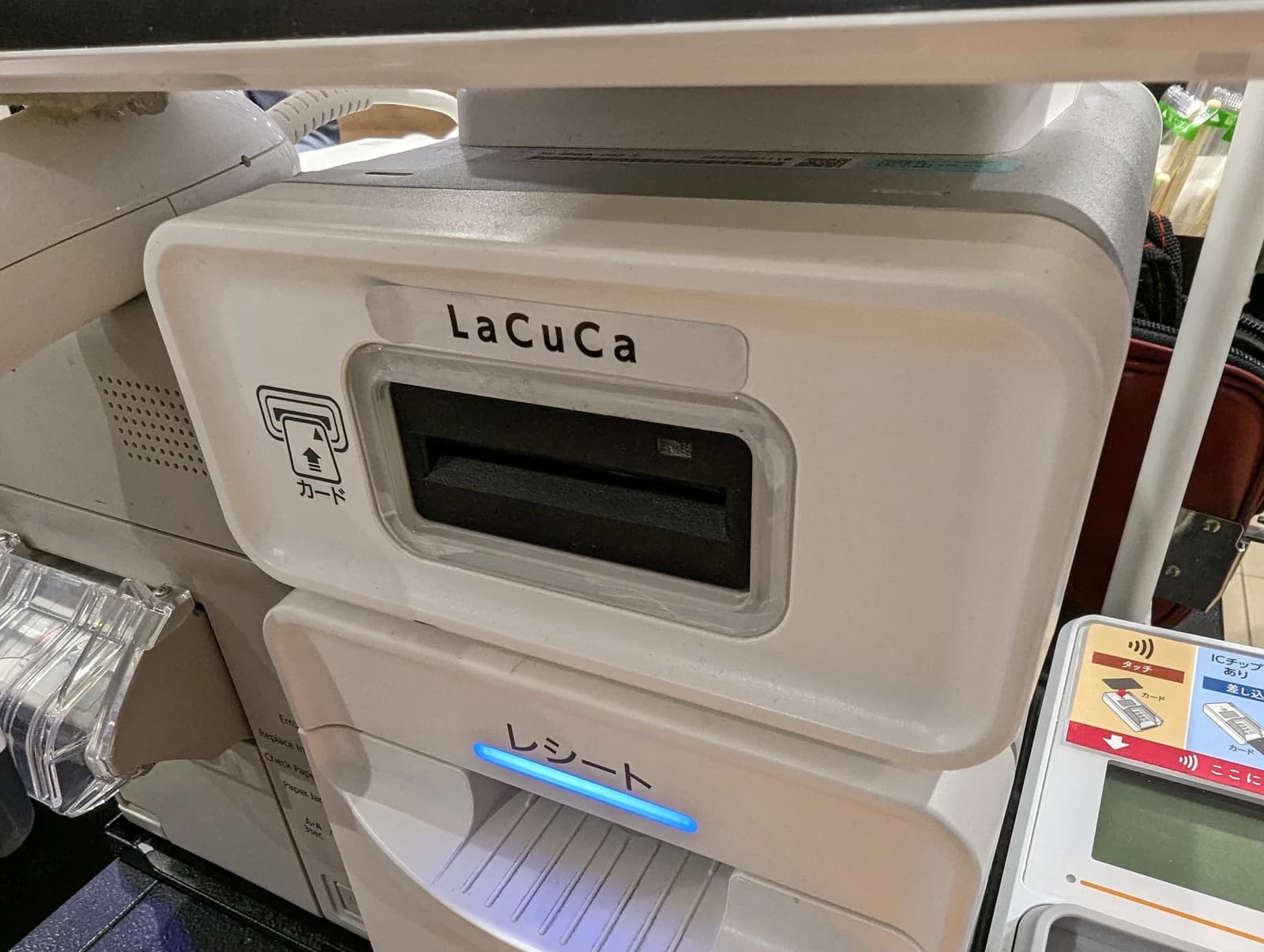
A duplicate line on a card statement is not always a real double charge, but when it is, consumers can end up paying for the same purchase twice unless they catch it quickly. That matters because even a temporary hold can tighten household cash flow, and a true duplicate can lock up spending power until a bank reverses it.
Card duplicate charges and pending holds
Debt Stress Indicators
The issue is a reminder that the modern card economy runs on speed, not certainty. In everyday shopping, a brief network outage, a slow payment gateway or an interrupted POS approval can cause the same transaction to be entered more than once. The first attempt may have already reached the bank, creating a pending authorization on the cardholder’s limit even if the merchant never completed the sale. If the purchase later settles twice, that becomes an actual overcharge.
Sentiment Indicators
For investors, the story cuts across the entire payments stack. Mastercard and Visa benefit from more card usage and the steady migration away from cash, but they also depend on trust that the system works cleanly. American Express faces the same expectation from cardholders, while banks are the ones that have to handle disputes, field complaints and process chargebacks when customers challenge a duplicate transaction.
That is why the distinction between a pending authorization and a finalized charge matters so much. A pending item is not yet a real debt; it is simply money reserved while the merchant’s bank and the card issuer complete settlement. A finalized charge, by contrast, lands on the statement and must be paid unless it is reversed. Consumers who assume every line on a mobile banking app is final risk overpaying, especially during heavy shopping periods and online sales when checkout systems are most likely to glitch.
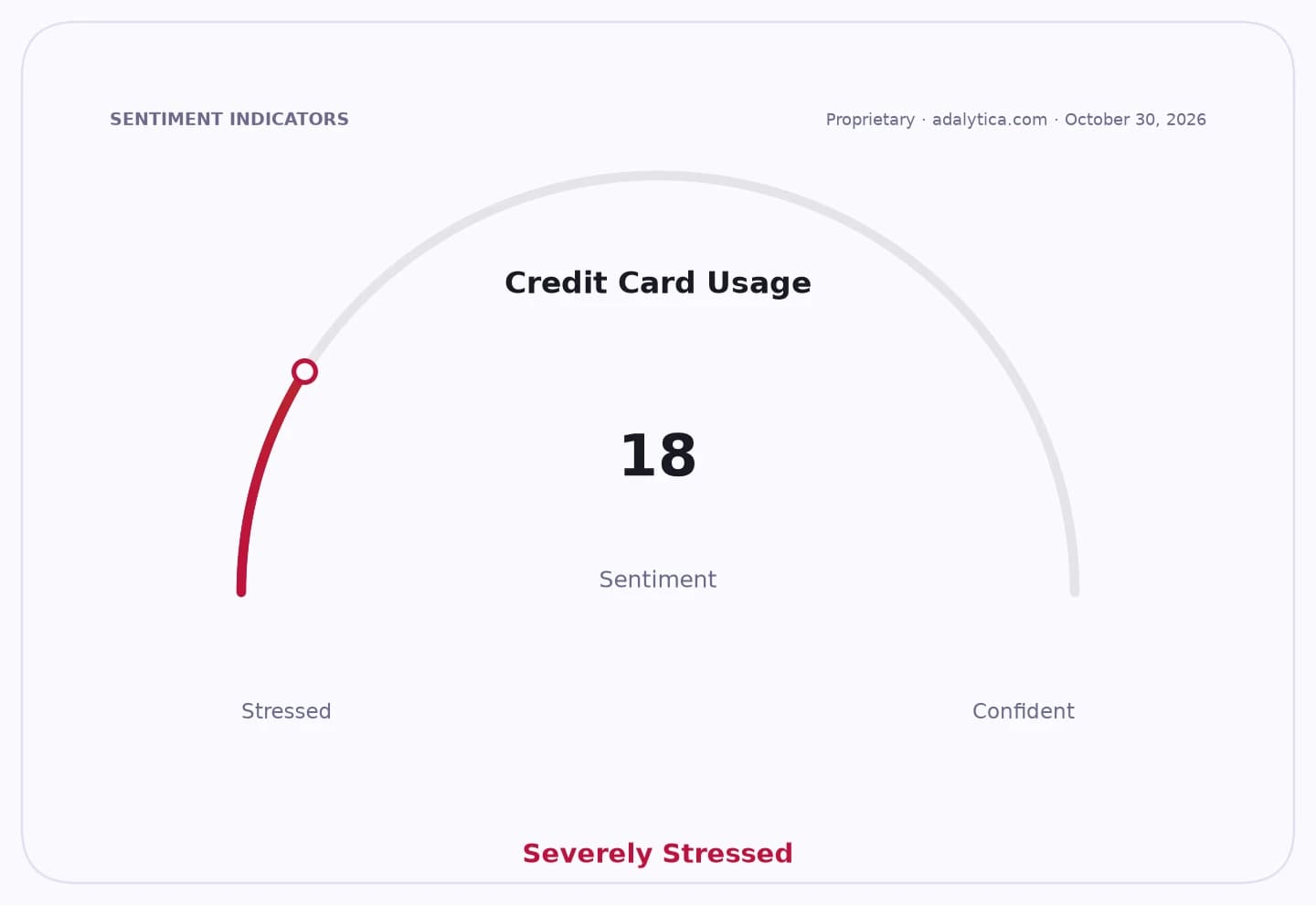
The stakes are not huge on any single purchase, but they add up in a world where consumers are already sensitive to credit card costs, fees and revolving balances. Household-debt stress remains a concern, and the fastest way to lose control of a budget is through unnoticed small errors that compound over time. For long-term investors, that is one more reason the payments industry’s biggest moat is not just transaction volume — it is reliability.
The practical lesson is simple: check whether a suspicious second line item is pending or settled, save receipts and slips, and dispute any true duplicate as soon as possible. For shareholders in card networks and issuers, the episode is not a threat to the secular growth story, but it is a useful reminder that consumer trust is part of the business model. Worth watching.
| Entity | Gains | Losses |
|---|---|---|
| Consumers | ▲Faster dispute protection | ▼Temporary cash squeeze |
| Mastercard, Visa | ▲More card usage | ▼Trust risk from glitches |
| Banks and issuers | ▲Fee-driven card activity | ▼Chargeback and service costs |
| Merchants | ▲Completed sales | ▼Back-office refund work |