Argentina’s shift from card borrowing toward instant digital payments is becoming economically meaningful, with QR transactions surging 67.5% in August 2026 while credit-card purchases fell 9.2% in July, the latest available data from the central bank show.
Argentina QR Payments Surge as Credit-Card Use Falls
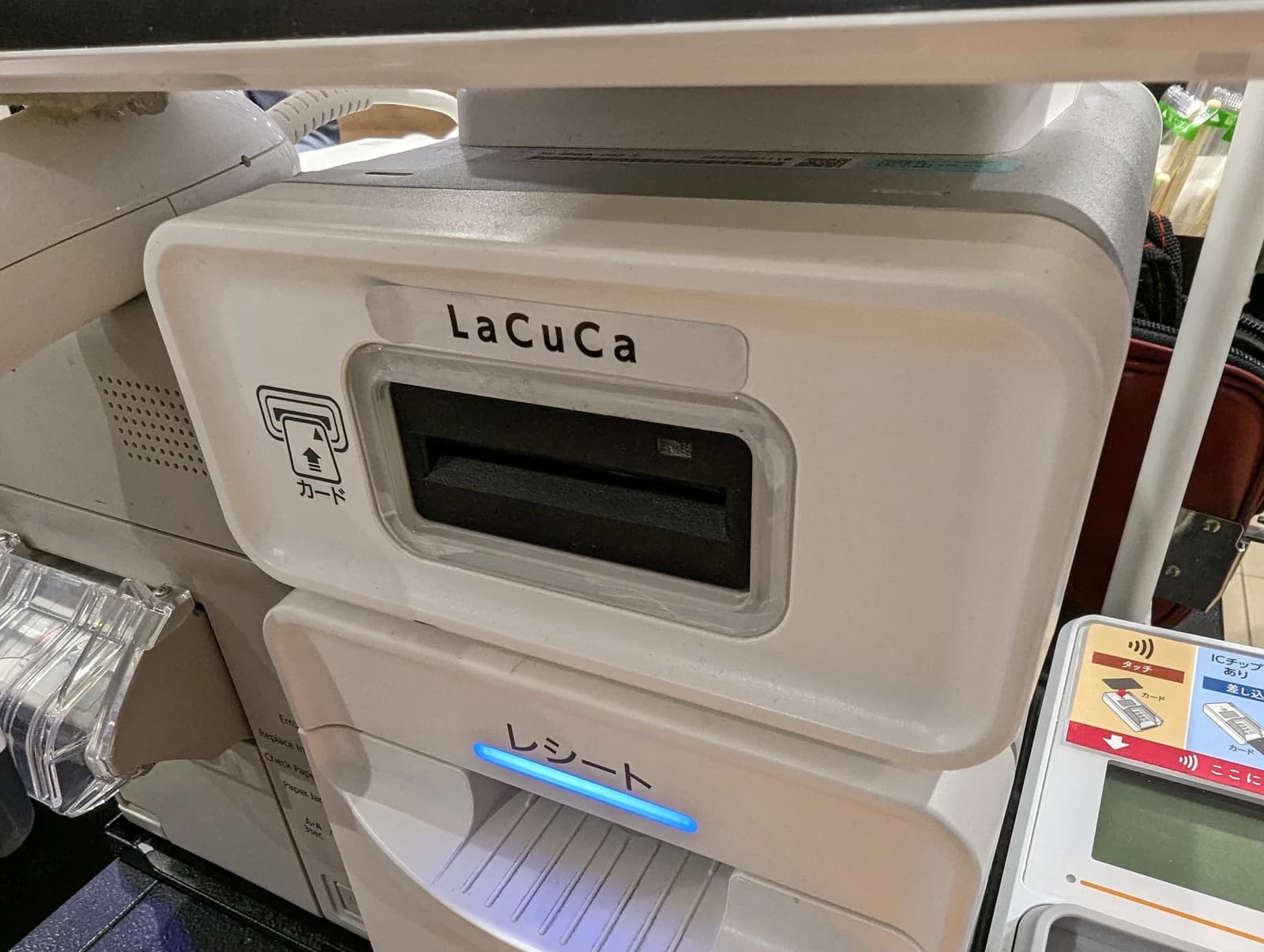
The change matters because it goes beyond a simple preference in how people pay. It points to households being more careful about taking on debt at a time when borrowing costs remain high and credit conditions are tightening. Paying by transfer, QR or debit card pulls money already in the account; paying by credit card in installments or with personal loans turns consumption into financing, and that distinction is increasingly shaping household budgets, merchant strategies and lenders’ revenue.
Sentiment Indicators
For consumers, the immediate appeal of QR and debit is control. For merchants, the rise of QR also usually means lower friction and, in many cases, lower payment acceptance costs than traditional card rails. For banks and card issuers, however, a weaker credit-card channel can mean slower growth in revolving balances and installment income, especially if consumers are opting out of financing rather than stretching purchases over several months.
The central bank’s data also underscore how much of Argentina’s retail payments story is now about pricing rather than technology. A “zero-interest” installment plan only helps if the sticker price is the same as cash; otherwise, merchants may simply be embedding financing costs in the listed price. The article’s examples illustrate that point clearly: a product priced at 100,000 pesos can end up costing the same 90,000 pesos cash or 100,000 pesos in apparent “interest-free” installments, depending on how the retailer structures the offer.
Debt Stress Indicators
That distinction is crucial in an economy where nominal lending rates remain elevated. The central bank capped financing rates for non-bank card issuers at 66.44% nominal annualized in mid-September, while bank rates vary by client and institution. At those levels, financing 600,000 pesos for a year can add roughly 196,000 to 360,000 pesos in interest alone, before fees and taxes. Personal loans are even more expensive, with annual nominal rates ranging from 56% to more than 97%, making them a costly fallback for households that cannot access installment promotions.
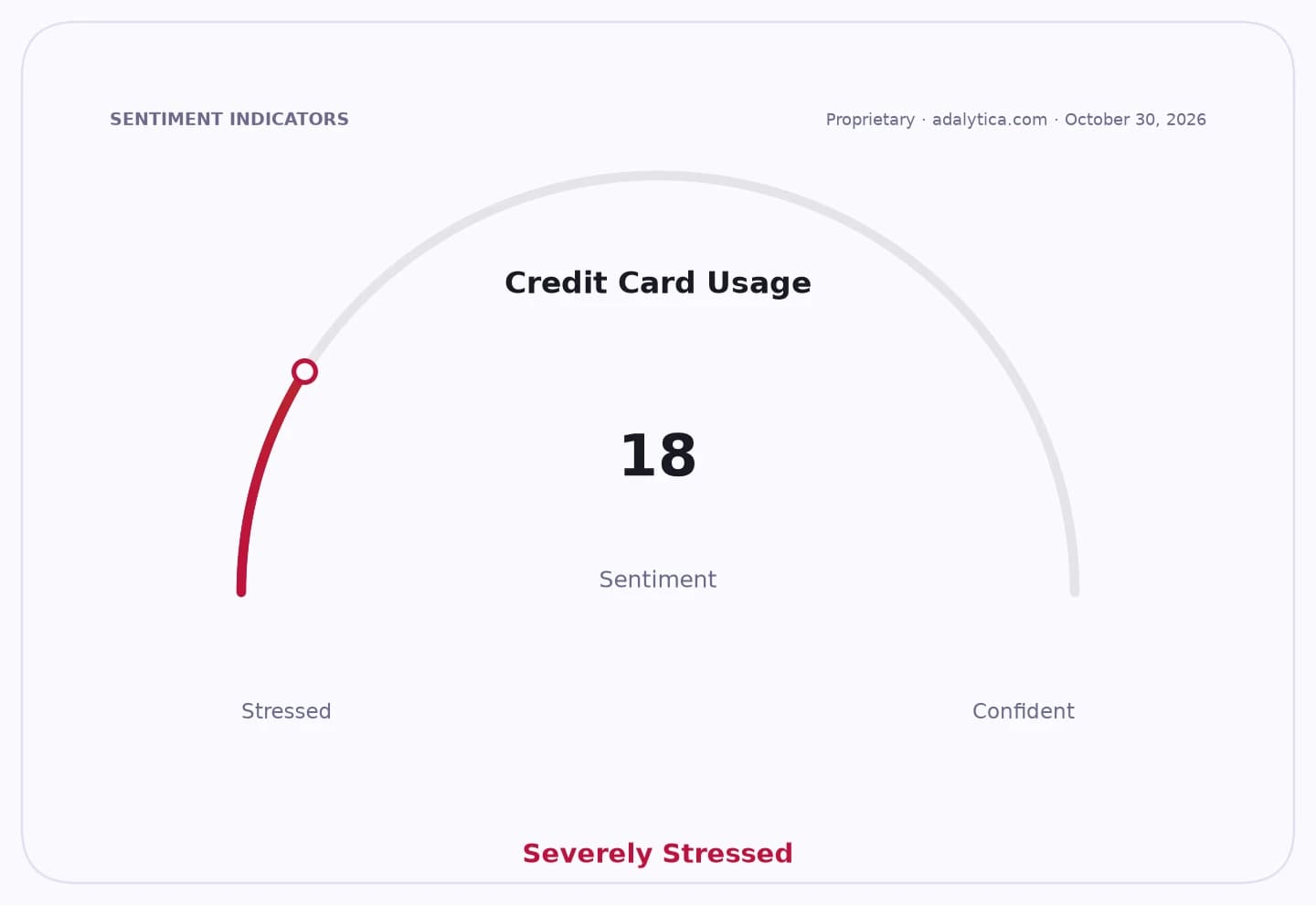
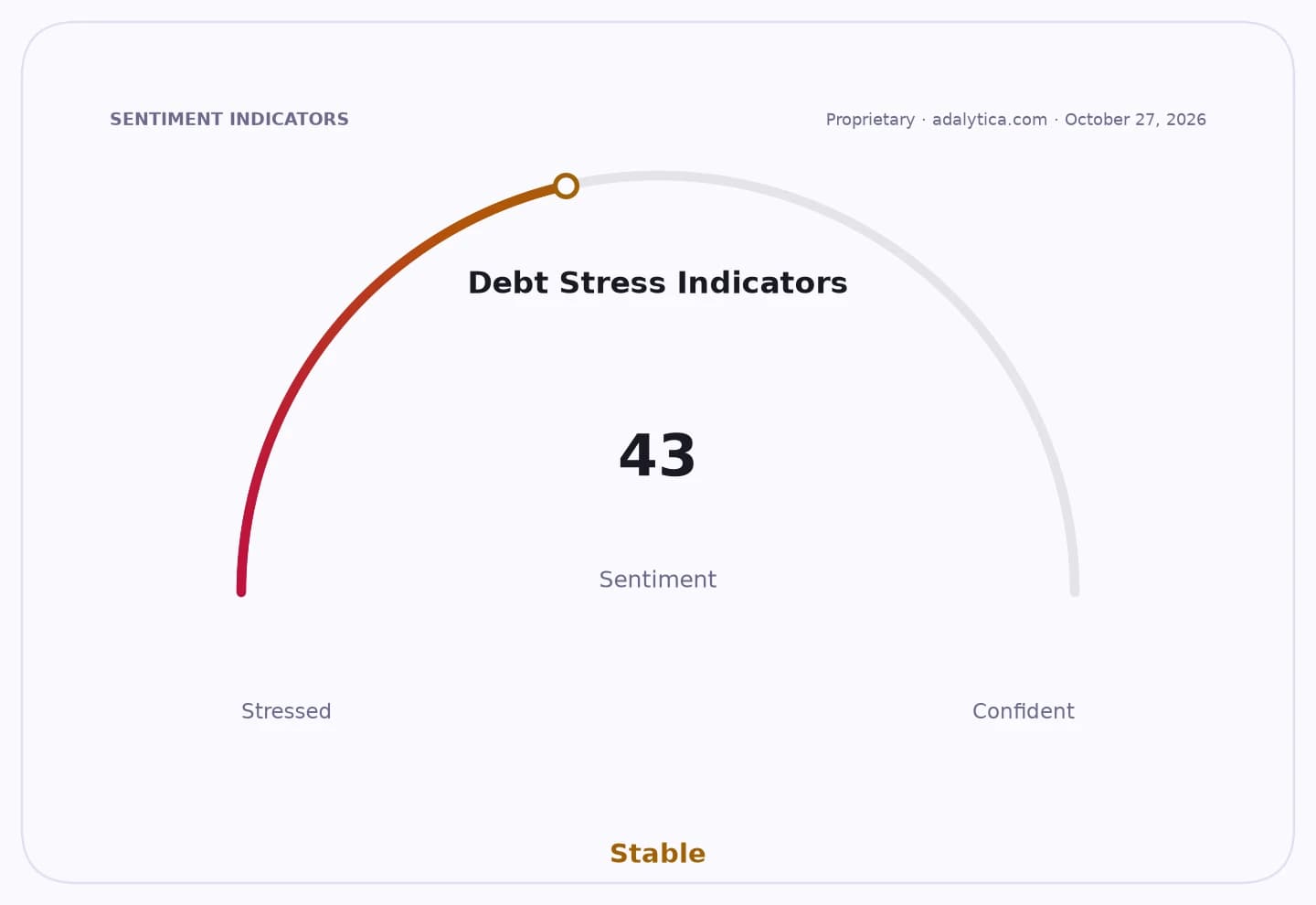
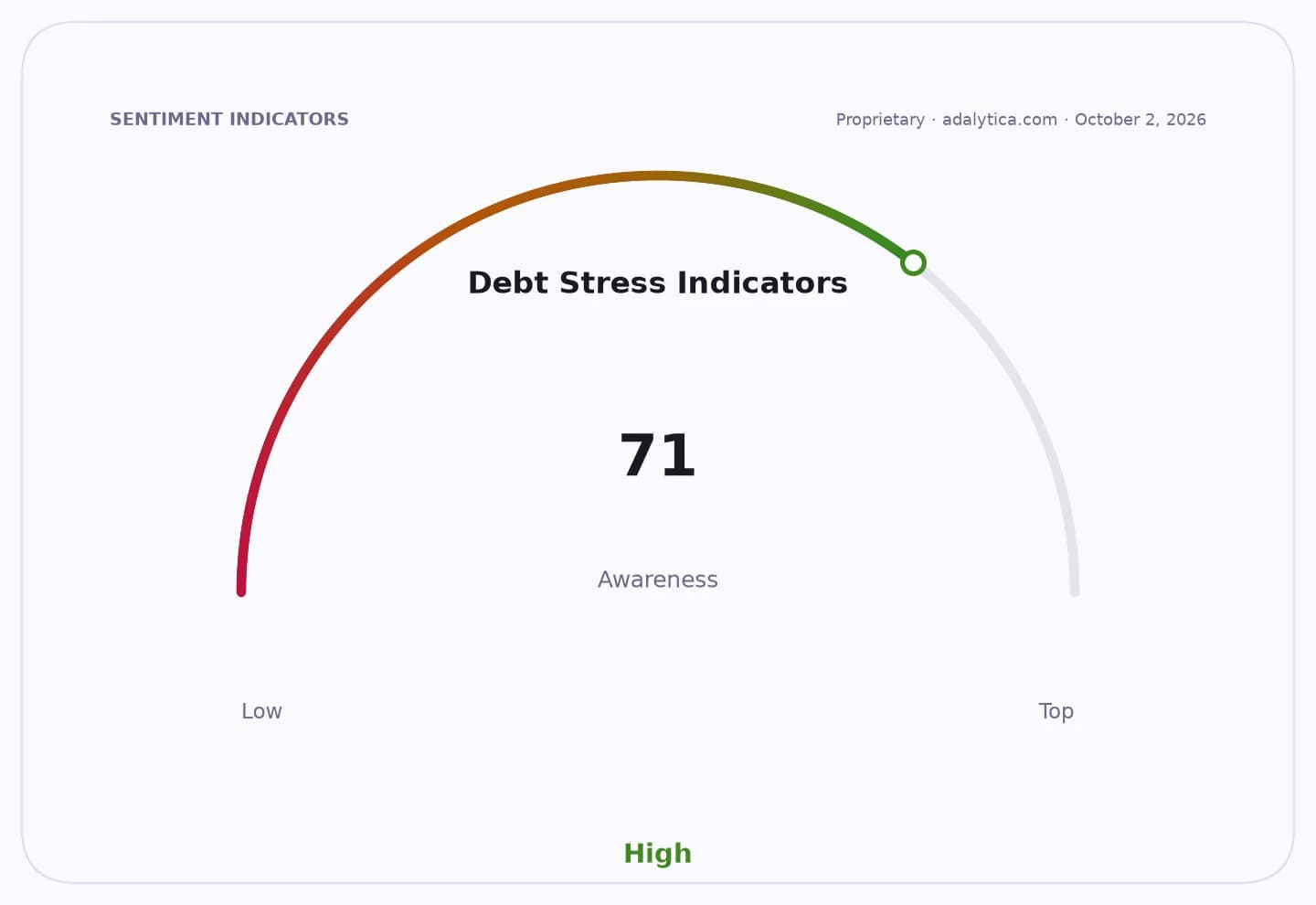
The macro backdrop helps explain why the payment mix is changing. Central bank reporting and market context point to a slowdown in consumer lending growth and a more cautious credit environment, as policymakers try to reduce risk in a system where debt stress has been rising. Adalytica’s Household Debt Stress gauge remains neutral but shows a sharp one-day jump, consistent with a consumer base that is still under pressure even if not yet in crisis. In that setting, households are rationally leaning toward payment methods that avoid new liabilities.
For investors, the trend has implications across Argentina’s consumer-finance ecosystem and beyond. It favors firms and platforms that benefit from high-frequency, low-ticket digital payments and from volume growth in debit and instant transfers. It is less supportive for issuers and lenders whose earnings depend on revolving credit, installment plans and fee income tied to card usage. In practice, that split matters for banks, payment processors and networks competing for consumer spending in a market where affordability has become as important as convenience.
| Entity | Gains | Losses |
|---|---|---|
| Consumers using QR/debit | ▲Lower financing costs | ▼Less access to credit float |
| Merchants offering QR | ▲Higher payment uptake | ▼Weaker card-driven sales |
| Banks and card issuers | ▲Transaction volume stability | ▼Revolving and installment revenue |
| Household budgets | ▲Less debt stress | ▼Fewer financing options |