Paylater users are being pushed to treat “small” installments as real debt, with the monthly burden rising once fees, interest and late charges are added to the bill.
Affirm and PayPal Face BNPL Credit Risk
Credit Card Usage
That matters because the easiest way to underestimate paylater risk is to focus on one purchase at a time. The more relevant measure is the total share of income consumed by all active installments, a calculation that can quickly show when short-term consumer credit starts crowding out essentials, savings and emergency spending.
Sentiment Indicators
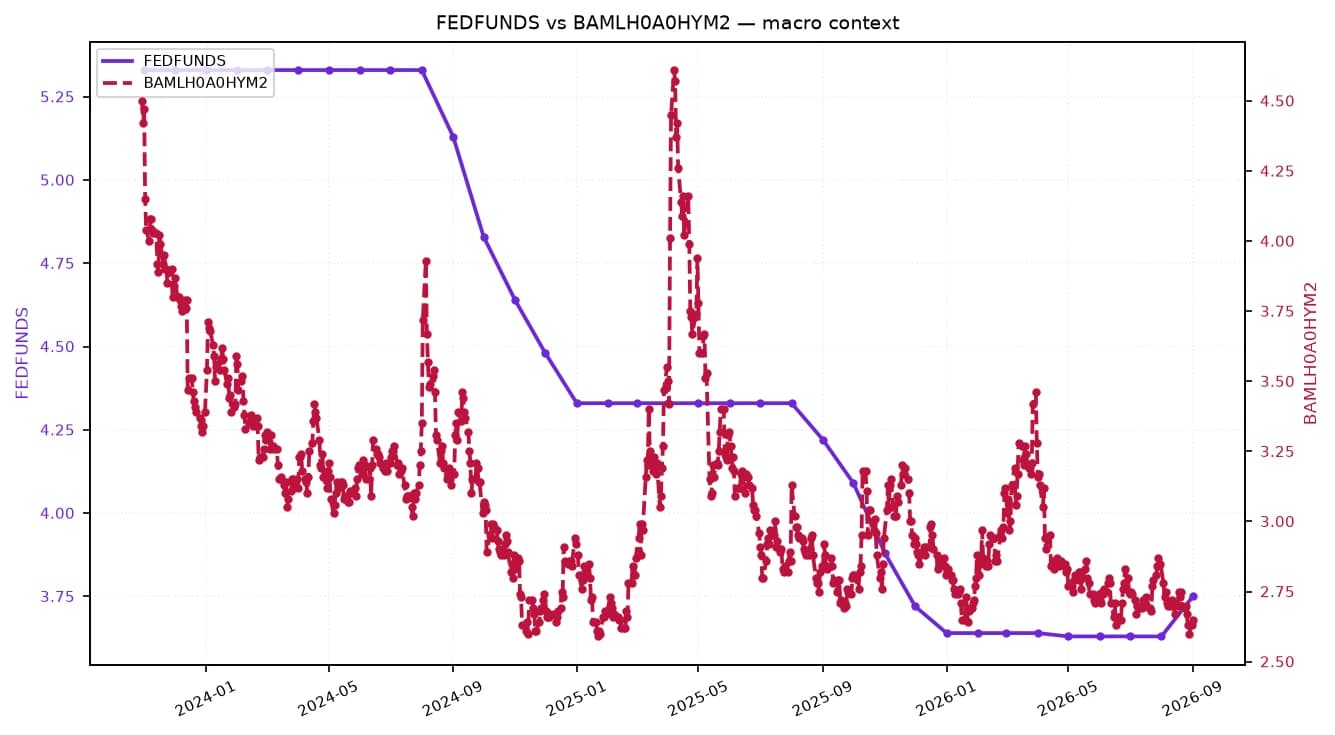
The timing is notable even as U.S. policy rates are still elevated. The federal funds rate is forecast at 3.726% for October, while consumer prices are projected to stay sticky at 335.8181 on the CPI index, after September’s 336.298 reading, underscoring why installment borrowing has not become materially cheaper for households.
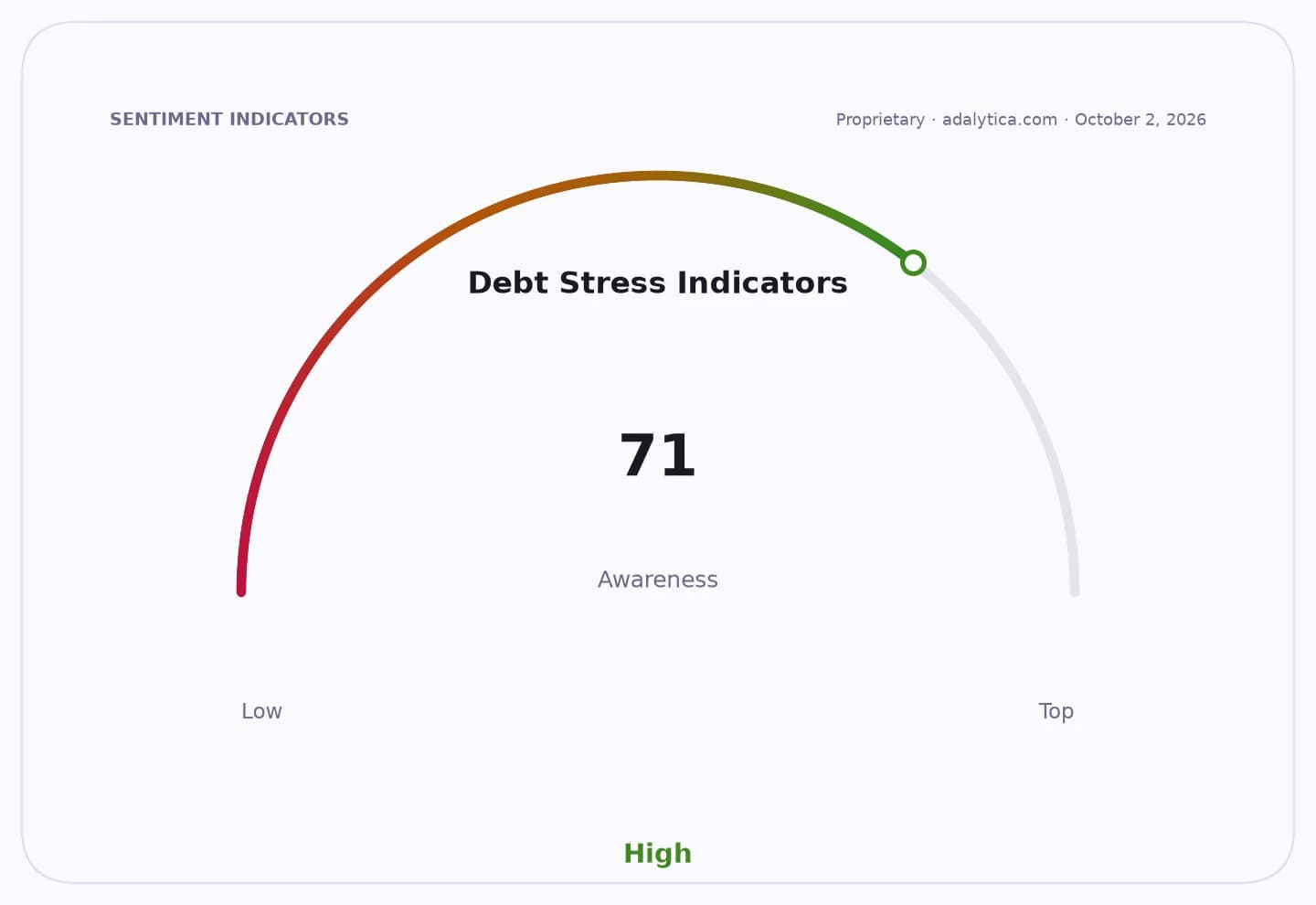
That backdrop helps explain why credit sentiment remains weak. Adalytica’s Credit Card Usage Sentiment sits at 18, in “Fear” territory, while wage-inflation awareness is only 4 and in “Extreme Fear,” suggesting households are still under pressure from borrowing costs and slower income confidence.
For borrowers, the math is straightforward: add up every active installment, include service charges and penalties, then divide the total by net income. If monthly paylater obligations of Rp750,000 are against net income of Rp5 million, the debt-service ratio is 15%; after routine living costs, the remaining buffer can be too thin to absorb shocks.
That is why investors should care beyond household budgeting. Buy-now-pay-later and unsecured installment lenders depend on consumers keeping repayment patterns intact, and stress can show up first in delinquencies, higher charge-offs and tighter underwriting.
Shares of Affirm and PayPal have both been volatile this year as markets reassess consumer credit quality and funding costs. Affirm’s stock closed at $74.84 on Oct. 29, above its 200-day moving average of $66.52, while PayPal ended at $56.95, also above its 200-day average of $49.78, but both remain sensitive to any sign that borrowers are stretching.
SEC filings from both companies show they are still managing credit risk closely. Affirm has said it uses migration analysis to estimate how loans move through delinquency stages and to charge off losses, while PayPal said credit losses in the latest reported periods were driven mainly by loan originations, with reserves and sales-related reclassifications also affecting results.
The broader market backdrop is mixed. The S&P 500 trade-signal snapshot shows “Extreme Greed” awareness at 98, but credit-related sentiment remains fragile, a split that suggests risk appetite in equities is not necessarily matched by household balance-sheet health.
For investors, the key watchpoints are consumer delinquencies, lender reserve builds and whether paylater growth can keep outpacing losses without forcing looser credit standards. For borrowers, the safer test is the same one the article describes: if installments start to crowd out necessities, the debt burden is already too high.
| Entity | Gains | Losses |
|---|---|---|
| Paylater users | ▲Short-term purchasing power | ▼Monthly cash flow |
| Lenders (Affirm, PayPal) | ▲Fee and interest income | ▼Credit losses if delinquencies rise |
| Consumers with stable income | ▲Flexible payment timing | ▼Less savings buffer |
| Investors in BNPL/consumer credit | ▲Growth if repayment holds | ▼Margin pressure if charge-offs climb |