Installment plans arranged directly with a retailer usually do not show up in a borrower’s credit history, but bank-linked buy now, pay later products can, a distinction that matters for consumers trying to build credit and for lenders assessing hidden debt loads.
BNPL Reporting Gap Affects Credit Files
That split is increasingly important as installment financing becomes a mainstream checkout option. If the purchase is made through a bank, the loan is reported to credit bureaus, while some installment services only report once a customer’s total debt with one operator tops 50,000 rubles. Direct store financing, by contrast, generally stays outside the file.
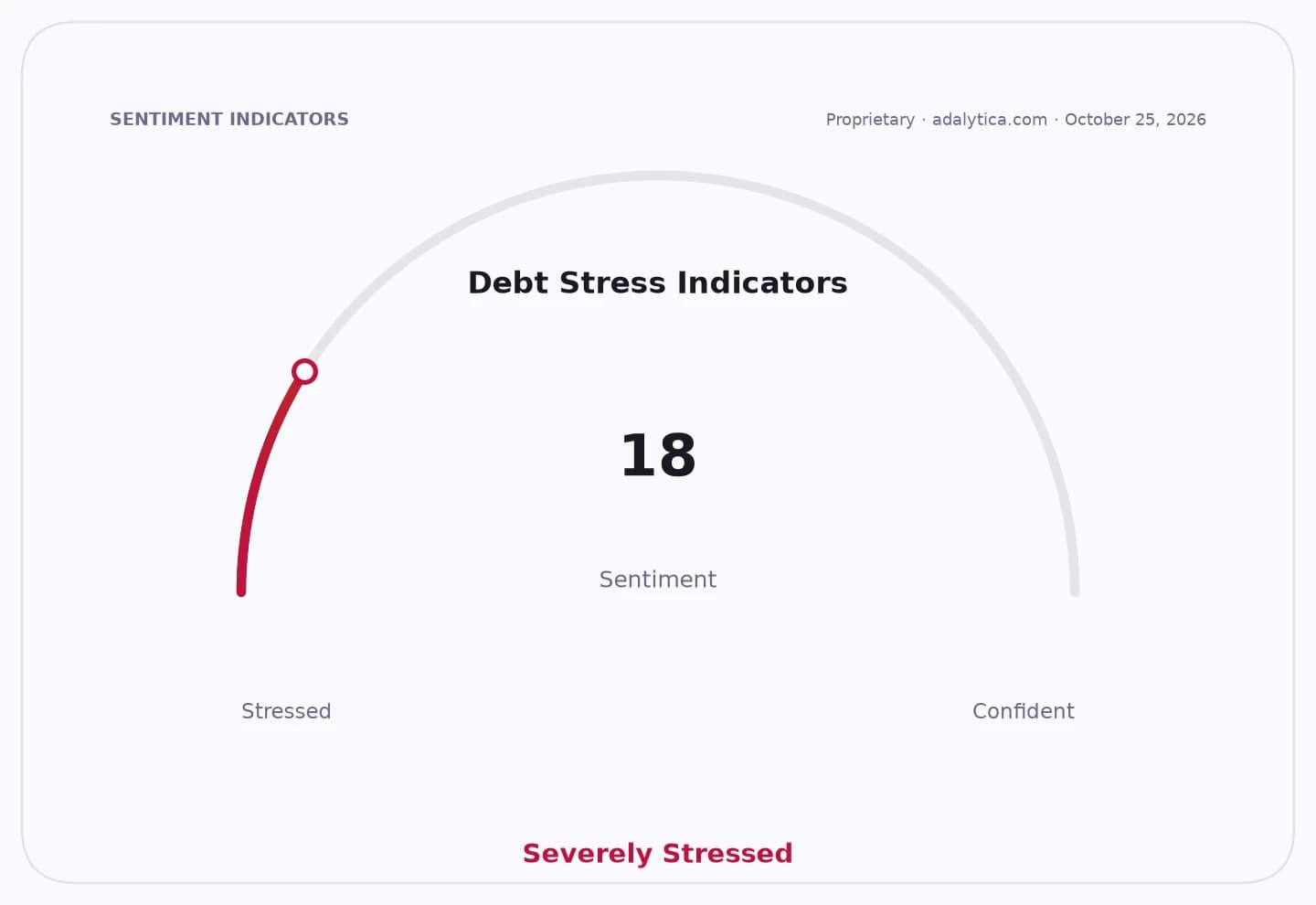
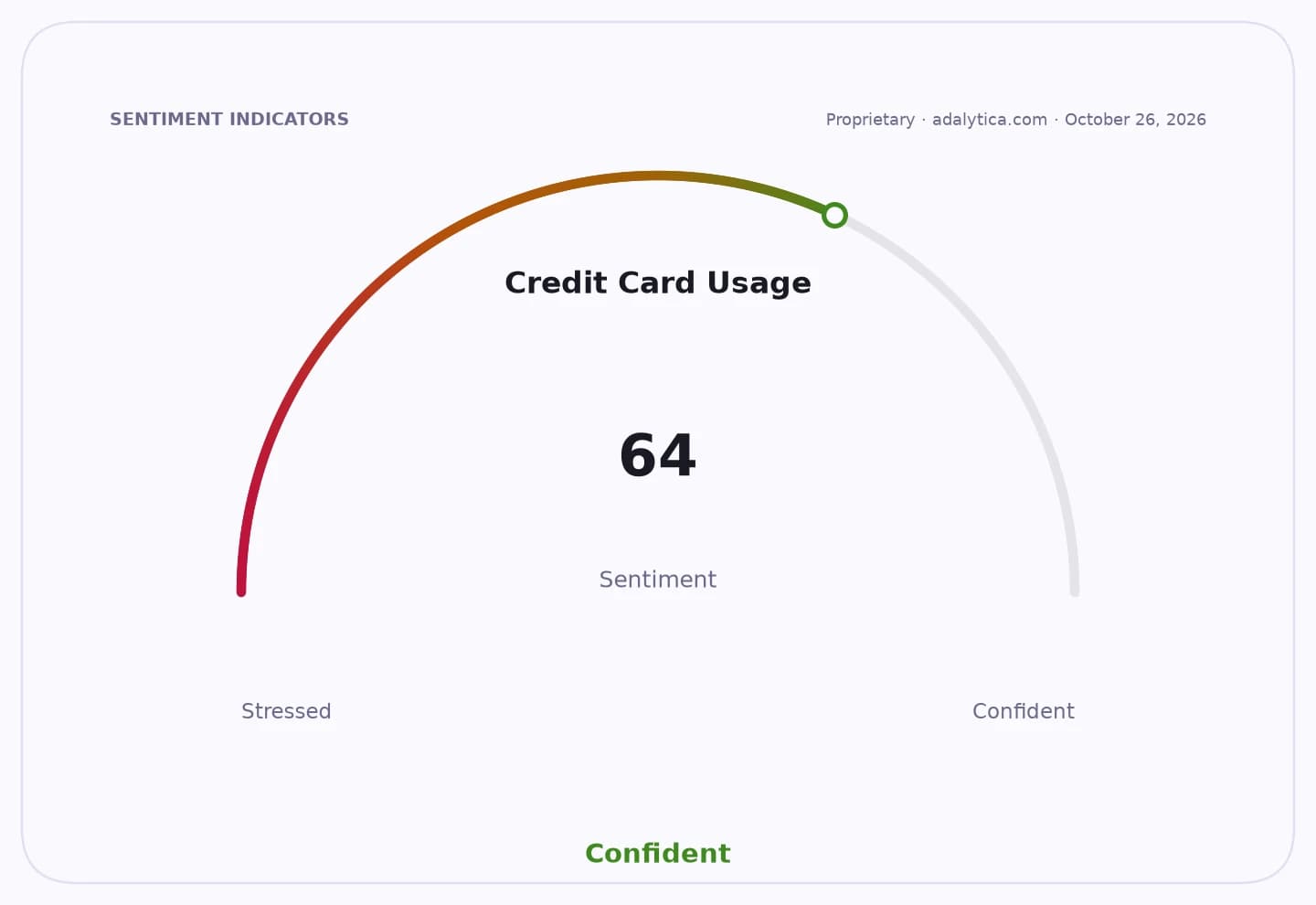
Sentiment Indicators
For borrowers, that means two very different outcomes from what may look like the same payment plan at the point of sale. A consumer using a retailer’s own installment offer may avoid adding a new line to a credit report, which can help preserve short-term borrowing capacity but may also mean the repayment history does nothing to improve credit standing.
For lenders and investors, the reporting gap affects underwriting, default monitoring and portfolio quality. If large chunks of consumer installment debt sit outside traditional bureau data, banks and digital lenders may have less visibility into leverage, especially as households juggle multiple small-ticket payment plans across merchants and platforms.
The issue also takes on more relevance ahead of new rules for intermediary BNPL services. From April 1, 2026, those platforms will fall under a law that caps installment terms at six months and bars merchants from charging different prices to cash and installment buyers, tightening a fast-growing consumer credit channel.
That regulatory shift could shape the competitive balance among banks, retailers and BNPL providers. It also reinforces the importance of credit bureau reporting as investors watch for signs of stress in consumer lending, where even modest changes in reporting standards can alter delinquency trends and risk pricing.
| Entity | Gains | Losses |
|---|---|---|
| Consumers | ▲Short-term payment flexibility | ▼Less credit history build-up |
| Banks and credit bureaus | ▲More visible debt data | ▼Fewer loans outside reporting |
| Retailers offering in-house installments | ▲Easier checkout conversion | ▼Less pricing flexibility |
| BNPL platforms | ▲Clearer regulatory framework | ▼Tighter terms, compliance costs |