Paying down a past-due loan may clear the balance, but it does not erase the credit history that can still weigh on future borrowing decisions.
Jamaica Credit Reports Keep Delinquencies After Repayment
That is the key message from Jamaican credit bureau and banking representatives, who say consumers often misunderstand what debt repayment actually changes on a credit report. Once an account has gone delinquent, the report can continue to show the overdue amount, the number of days late and the fact that payments were missed, even after the arrears are settled. For households trying to rebuild access to car loans, mortgages or credit cards, the distinction matters: the debt may be gone, but the stain on the file often remains.
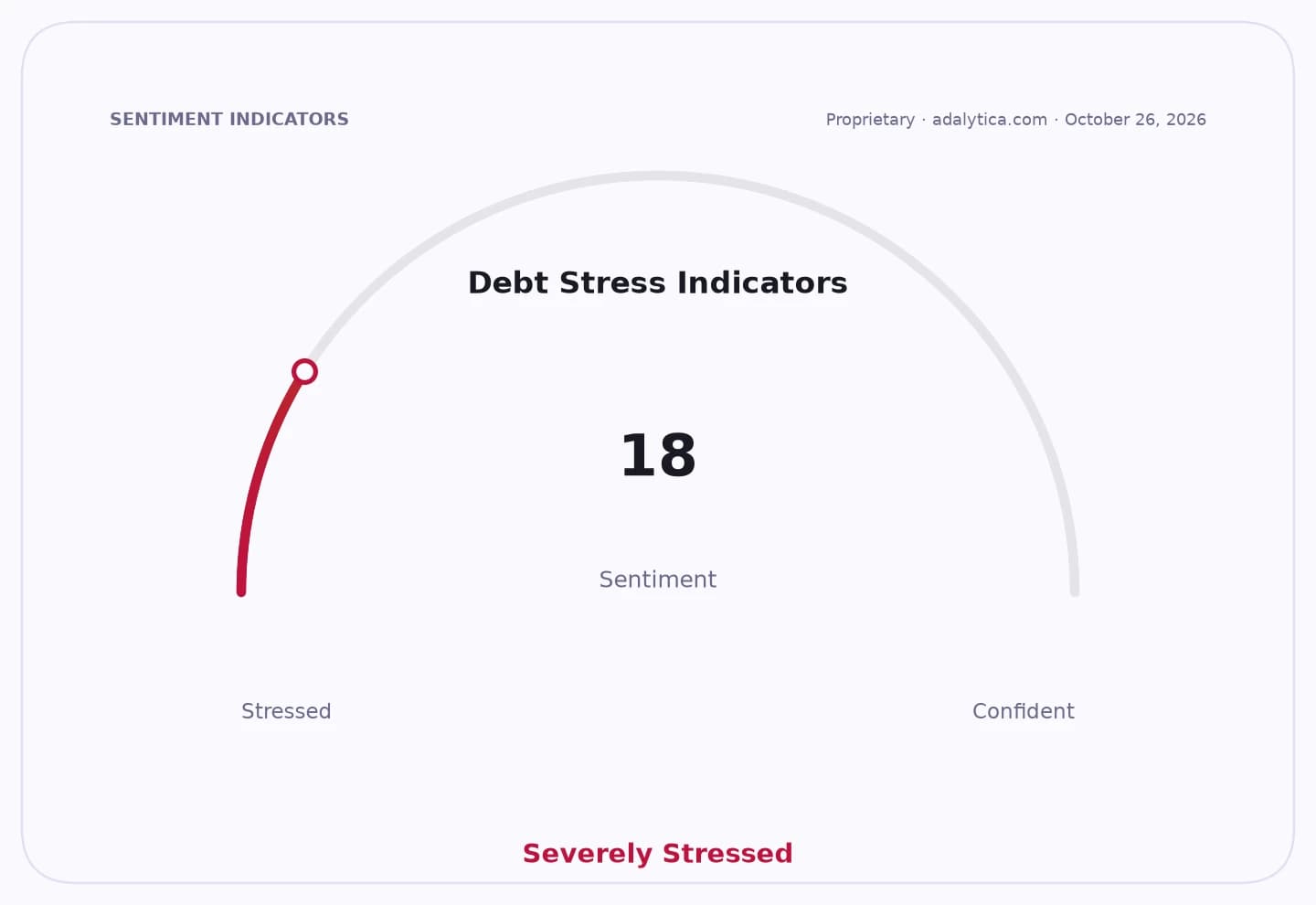
Sentiment Indicators
The warning is economically important because credit scores are not just a back-office metric. They help determine who gets financed, at what price and on what terms. In a credit system, late-payment records can raise borrowing costs, limit loan sizes or push lenders to reject applicants altogether. That can slow household spending and reduce the ability of consumers to refinance expensive debt, particularly in markets where wages are tight and payment timing is uneven.
The advice from lenders is practical, but it also underscores a broader structural issue: borrowers who fall behind on even one facility can see their access to future credit damaged long after they have caught up. Oraine Potopsingh of EverydayData told a JN Financial Academy forum that prior delinquency information would remain on the report after repayment. Keith Parkes of CRIF Information Bureau Jamaica said a late payment does not automatically bar future borrowing, since lenders use credit reports as one input among several. Still, he urged cardholders to make at least the minimum payment, noting that missing a payment can “highly impact” a score.
For investors, the issue matters because it speaks to the health of consumer credit ecosystems and the quality of lenders’ underwriting data. Better reporting can support discipline and lower default risk, but it can also keep already stressed borrowers excluded from mainstream credit longer than they expect. That may support lenders’ risk management, yet it can also constrain credit demand if consumers become more cautious about borrowing or find it harder to regain access after a setback.
The advice to align loan due dates with salary cycles also highlights a common driver of delinquency: timing, not just income. Acting JN Bank executive Karon Lewis said borrowers paid through salary deductions can still fall behind when repayment dates do not match payroll schedules, suggesting payment-date changes or advance buffers as mitigation. That points to a broader lender opportunity in payments design and customer retention, especially for banks and credit bureaus seeking to reduce avoidable arrears.
For consumers, the takeaway is that debt repayment is necessary but not sufficient. Checking a credit report early, keeping proof of payment and correcting inaccuracies can prevent last-minute surprises when applying for financing. For lenders, the story reinforces a simple truth: credit repair is a process, not an event, and underwriting will continue to reward borrowers who stay current rather than merely settle up later.
| Entity | Gains | Losses |
|---|---|---|
| Lenders | ▲Better risk visibility | ▼Fewer borderline approvals |
| Credit bureaus | ▲Higher reliance on reports | ▼More consumer complaints |
| Timely payers | ▲Stronger credit profiles | ▼None |
| Recently delinquent borrowers | ▲Debt is cleared | ▼Scores stay damaged |