Google is widening Gemini Notebook from a research assistant into a lightweight publishing and workflow tool, a move that could make the product more useful for students, workers and Google Workspace users while strengthening Alphabet’s case for deeper AI adoption across its ecosystem.
Alphabet Gemini Notebook Adds Shareable Web Pages

The new feature, announced Nov. 16, lets users turn notebook sources into shareable interactive sites from a single prompt, extending the product beyond summaries and overviews into dashboards, visual explainers and project trackers. Google said the capability is rolling out globally on the web to users 18 and older, including Workspace subscribers, with mobile support still to come.
The economic significance is less about the interface itself than the direction it points: Google is trying to move AI from one-off chat interactions into repeatable work output. If users can transform collected sources into something they can open in a new tab and share with others, Gemini Notebook starts to compete more directly with the spreadsheet, slide-deck and internal wiki workflows that consume hours in offices and classrooms. That raises the product’s potential value inside Workspace, where Google has been investing heavily in enterprise AI tools and custom models.
The launch also fits a broader race among major cloud and software vendors to make AI tools more embedded in daily work, not just more conversational. Amazon Web Services recently unveiled an AI-generated emulator codebase built by automated agents, underscoring how fast the industry is shifting toward systems that can create usable software and interfaces with less human intervention. Google’s move is less dramatic, but it is commercially relevant: the company is trying to keep Gemini in the critical path of how users research, organize and present information.
For investors, the key question is whether these features help convert AI usage into durable monetization. Alphabet has already signaled in filings that it is devoting significant resources to AI-related R&D and to enterprise-ready cloud services, including Google Workspace and Google Cloud Platform. A feature that makes research more shareable and task-specific could improve retention and usage intensity, especially among Workspace customers, even if the near-term revenue impact is not visible in reported results.
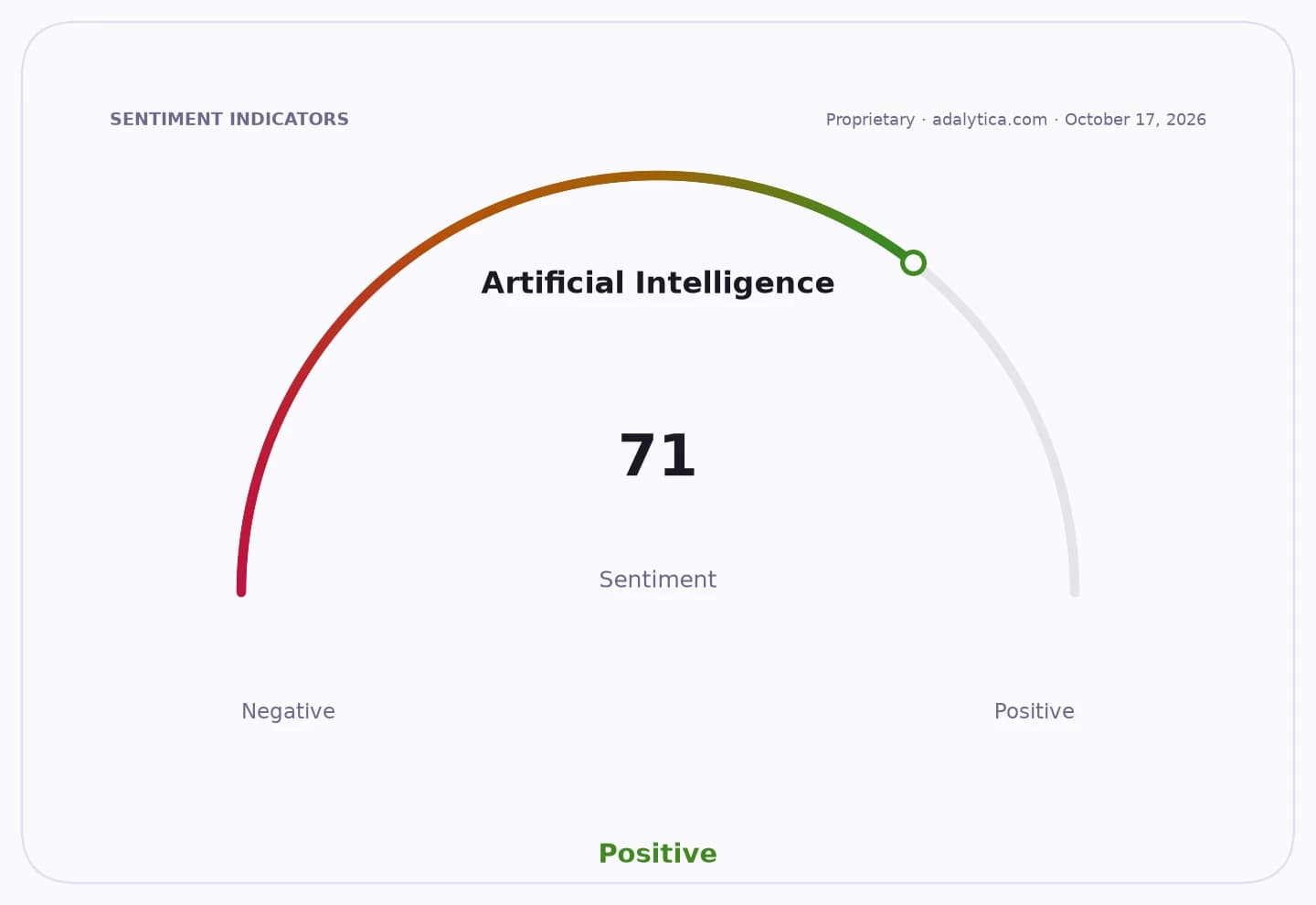
The market has been treating Alphabet’s AI story as a balance between product momentum and the cost of staying competitive in infrastructure and model development. The company’s shares have been under pressure recently, with technical indicators showing the stock below both its 50-day and 200-day moving averages and the RSI in oversold territory, suggesting investor sentiment has weakened even as Google keeps pushing new AI features. That means product launches like this matter more as evidence of execution and ecosystem stickiness than as immediate earnings drivers.
There is also a competitive angle. By tying the site builder to notebook sources and a user-defined purpose, Google is making Gemini Notebook more than a prompt box: it is becoming a destination for turning information into something useful enough to circulate across teams. That could help Alphabet defend its position against Microsoft, whose own AI stack is increasingly centered on productivity software and enterprise workflows.
The bull case is that these tools deepen engagement across Google’s consumer and workplace products and support broader AI adoption without requiring a separate app. The bear case is that the feature is easy to copy, hard to monetize directly and unlikely on its own to offset the heavy capital spending tied to AI infrastructure. For now, the larger message is that Google is continuing to push Gemini toward applied productivity — the part of AI that is most likely to matter for enterprise adoption and, eventually, revenue.
| Entity | Gains | Losses |
|---|---|---|
| Google / Alphabet | ▲Higher Workspace stickiness | ▼More AI development costs |
| Workspace users | ▲Faster content-to-output workflow | ▼More dependence on Google tools |
| Microsoft | ▲Less immediate pressure | ▼Rival product differentiation gains |
| Competitors in productivity AI | ▲Market expands | ▼Google strengthens ecosystem position |