Google’s new Textbooks feature in Gemini Notebook is a small product update with a big implication: AI study tools are starting to move from generic answers to source-based learning, and that matters for students, publishers and investors betting on the education software market.
Google Gemini Notebook adds textbook citations
The feature lets users pull hundreds of textbooks from providers in the U.S. and India into Gemini Notebook, then ask questions that are answered with inline citations and direct links back to the original page. That may sound simple, but it solves one of the most important problems in AI education: students don’t just need faster answers, they need answers they can trust, verify and use to study for the right syllabus.
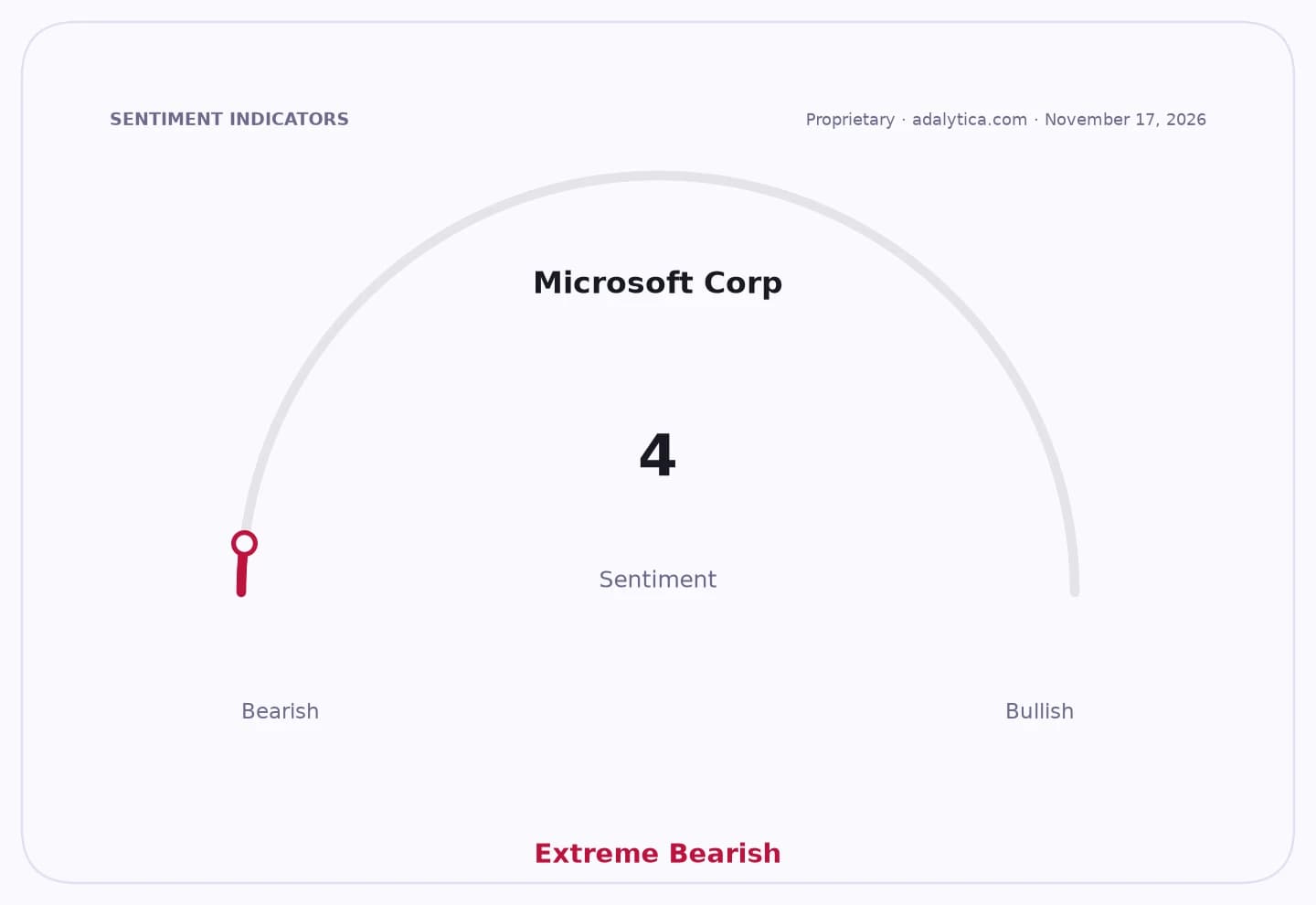
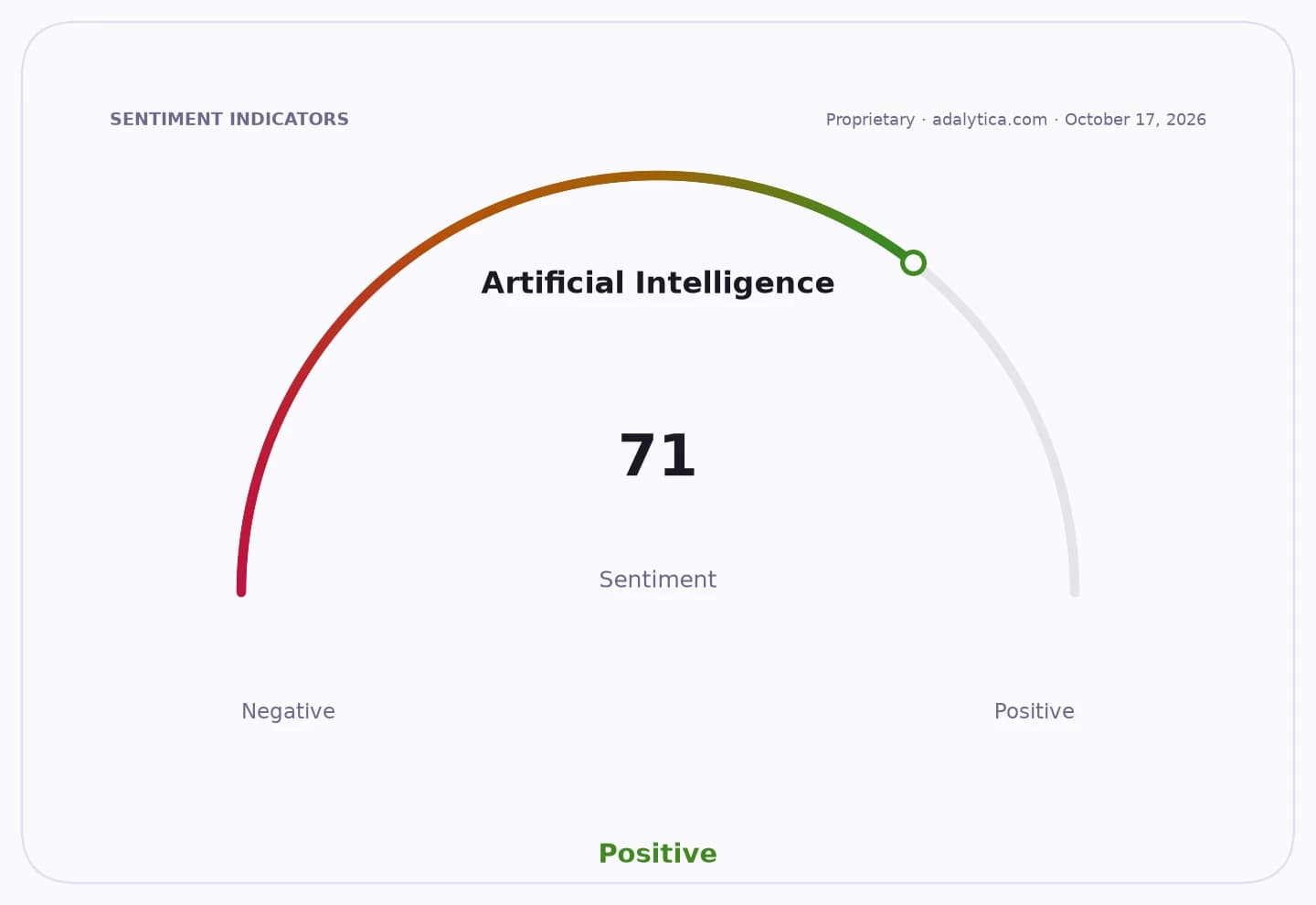
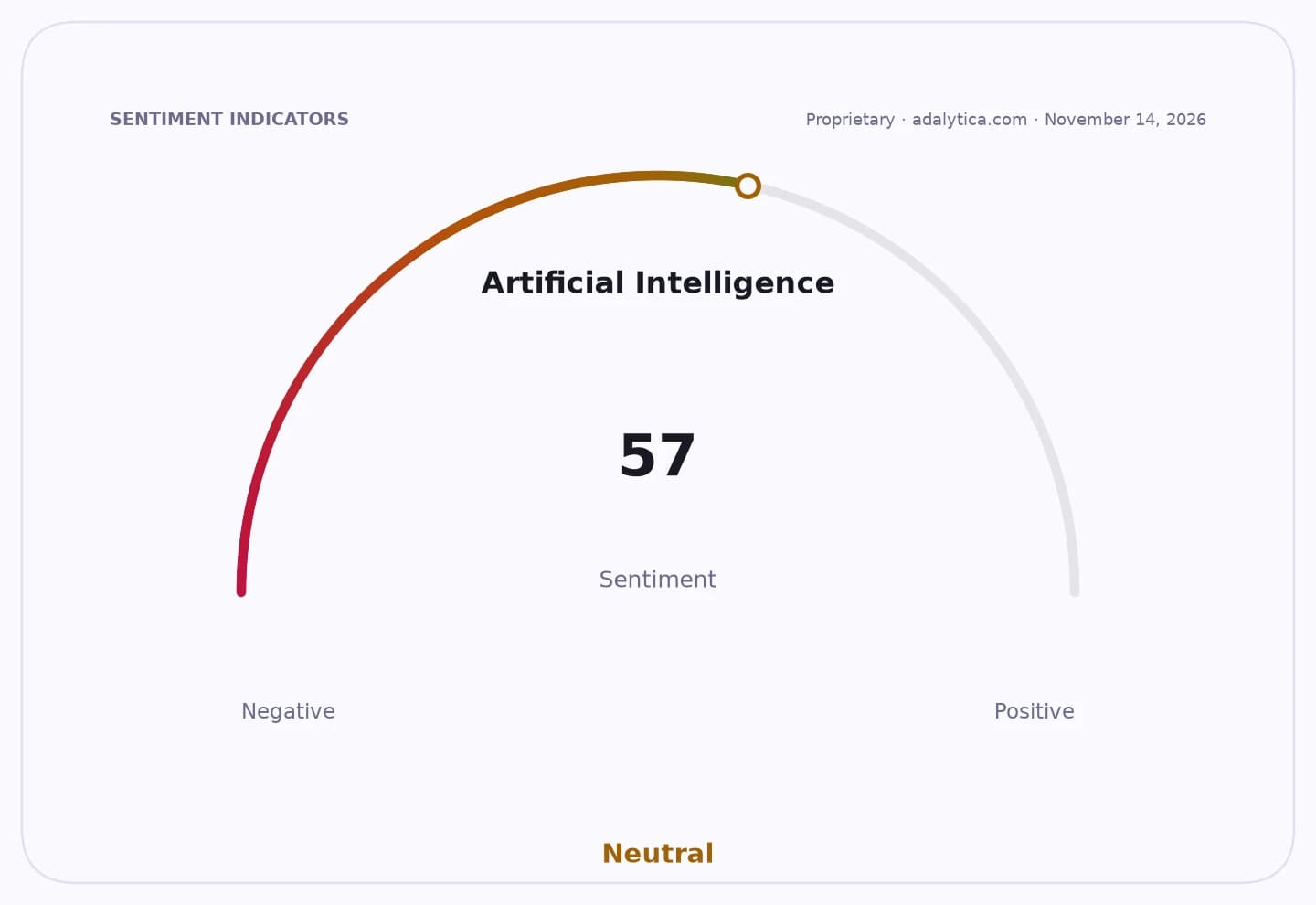
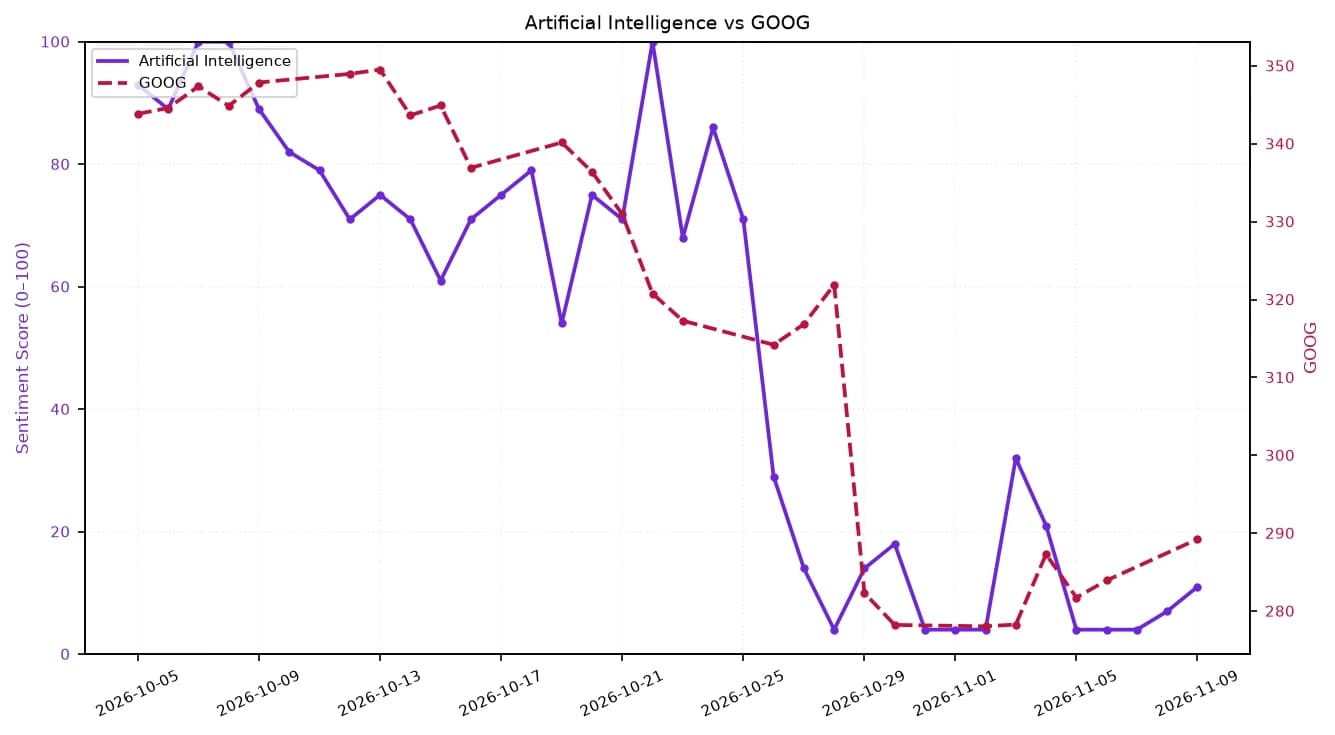
Sentiment Indicators
For families, that changes the economics of tutoring and test prep. Instead of searching for the correct edition of a textbook or hoping a chatbot’s explanation matches the class material, students can use the book itself as the source of truth. They can generate summaries, flashcards, quizzes and study guides from the textbook they actually own or have been assigned. In a world where AI is already widely used in higher education and school systems are trying to set rules around responsible use, that makes AI less of a cheating shortcut and more of a productivity tool.
That distinction matters to investors because it is where the long-term market is heading. The winners in AI education will not be the companies that simply answer questions fastest. They will be the ones that can anchor answers to trusted content, preserve academic integrity and fit into classrooms without alienating teachers, parents and regulators. Google, through Gemini and NotebookLM, is pushing directly into that lane, and that puts pressure on specialized edtech names that have to defend their value proposition against a much larger platform with far deeper distribution.
Chegg is the clearest example. Its stock has been crushed to penny-stock levels, and the company has been trying to reposition itself around AI-enabled learning and skilling. But a feature like Textbooks in Gemini Notebook undercuts the old model of paying for generic homework help. If AI can cite the textbook, turn chapters into flashcards and keep students on the page, then the moat for standalone homework platforms gets thinner. Coursera, meanwhile, faces a different version of the same threat: as AI becomes embedded in learning workflows, the customer may care less about the platform and more about the experience.
Alphabet investors should see this as part of a broader monetization story, not just a classroom feature. Google is using Gemini to deepen engagement across its ecosystem, and education is a sticky use case because it creates habitual usage around search, docs, cloud and AI tools. The company does not need every student to pay for this feature directly for it to be valuable. It needs Gemini to become the default place people go when they want AI that is grounded, useful and trustworthy.
The stock market also tells a useful story here. Alphabet has spent much of the year trading around major technical levels, and while those indicators are not a reason to buy or sell on their own, they reflect a business that investors increasingly view through the lens of AI execution. Microsoft, with Copilot and its broader enterprise AI push, remains a formidable competitor, but Google’s edge is that it can connect AI learning tools to Search, YouTube, Android and the content ecosystem that feeds them. That gives it a consumer reach rivals would love to match.
The bigger takeaway is that AI in education is maturing. Regulators are urging responsible use, schools are worried about integrity, and students are already relying on these tools in large numbers. The next phase of competition will be about trust, sourcing and workflow, not just raw model quality. That is good news for platforms that can make AI feel less like a black box and more like a tutor with footnotes.
For long-term investors, the question is not whether AI will reshape education. It already is. The real question is which companies can turn that shift into durable demand. On that score, Gemini’s textbook feature is worth watching closely.
| Entity | Gains | Losses |
|---|---|---|
| Alphabet/Google | ▲Stickier Gemini usage | ▼Generic AI assistants |
| Students and parents | ▲Cited, syllabus-based answers | ▼Unverifiable chatbot responses |
| Edtech incumbents like Chegg | ▲More urgency to innovate | ▼Homework-help subscriptions |
| Schools and regulators | ▲Better oversight tools | ▼Easy-to-abuse AI workflows |