Google is pulling its AI tools for schoolchildren back to an opt-in model, a sign that the race to embed generative AI into classrooms is colliding with regulatory scrutiny, reputational risk and concerns that students may lean on machines instead of developing their own judgment.
Alphabet pulls school AI tools back to opt-in
The move matters economically because education is one of the most sensitive long-term adoption channels for AI: it is a pipeline for future users, future enterprise customers and future data-rich products. If schools and parents conclude that AI use should be tightly constrained, the near-term market for youth-focused AI education tools becomes smaller and more fragmented, while compliance costs and product-design burdens rise for the largest platforms trying to expand AI access safely.
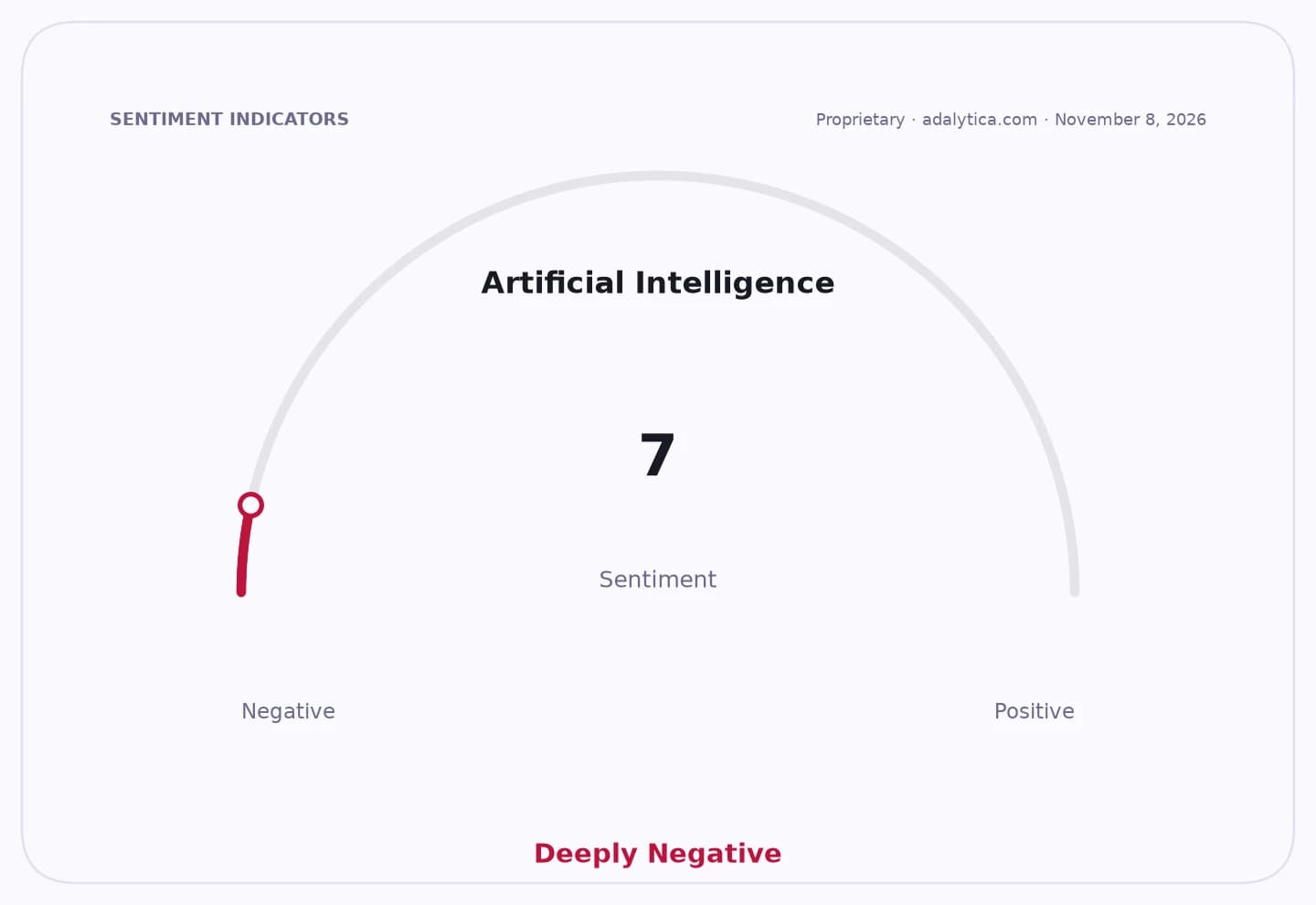
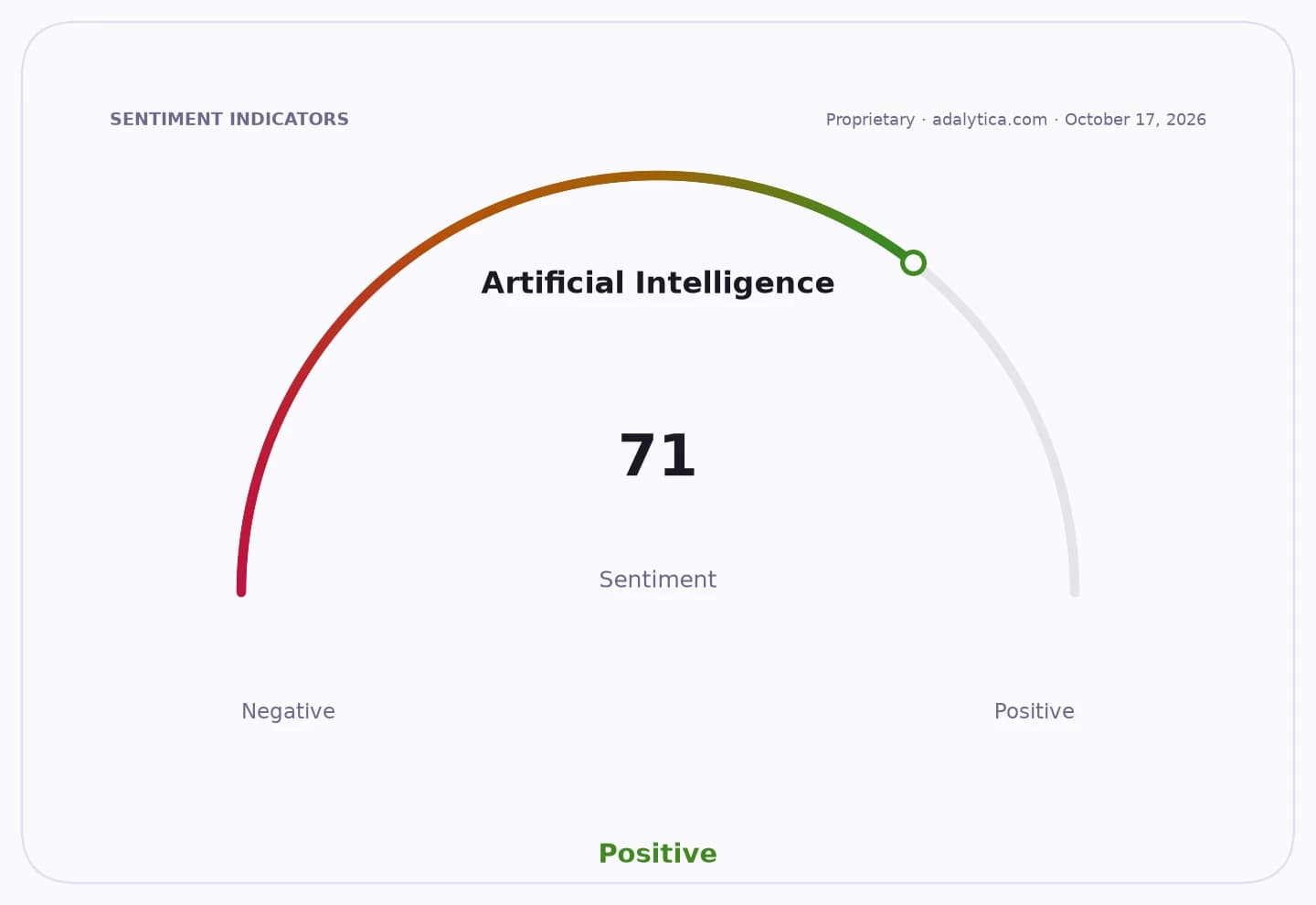
Sentiment Indicators
For Google parent Alphabet, the decision also underscores a broader strategic problem. The company is trying to normalize AI across consumer and enterprise products just as lawmakers, school districts and privacy regulators sharpen their focus on children’s data, age-appropriate experiences and the educational risks of overreliance on machine-generated answers. Alphabet’s latest filing already flags expanding rules around children’s data and online experiences, highlighting how product rollouts in this area can quickly become legal and policy issues rather than purely commercial ones.
The stakes extend beyond one product line. If Google is seen as moving too aggressively with AI in schools, it risks backlash that could spill into its broader consumer AI strategy. If it moves too cautiously, it risks ceding early mindshare to rivals in a category that could shape how a generation learns, searches and works. That tension is part of why the AI trade has become more selective: investors are rewarding companies that can show monetization without inviting regulatory blowback.
The market backdrop reflects that shift. Alphabet shares have been under pressure in recent sessions and remain well below their spring highs, with technical readings showing the stock trading beneath its 50-day average and relative strength still weak. That does not change the company’s long-term AI opportunity, but it does show investors are sensitive to anything that could slow adoption or add friction to product deployment. Microsoft, by contrast, has held up better, reflecting investor confidence that its AI rollout is translating more directly into enterprise demand.
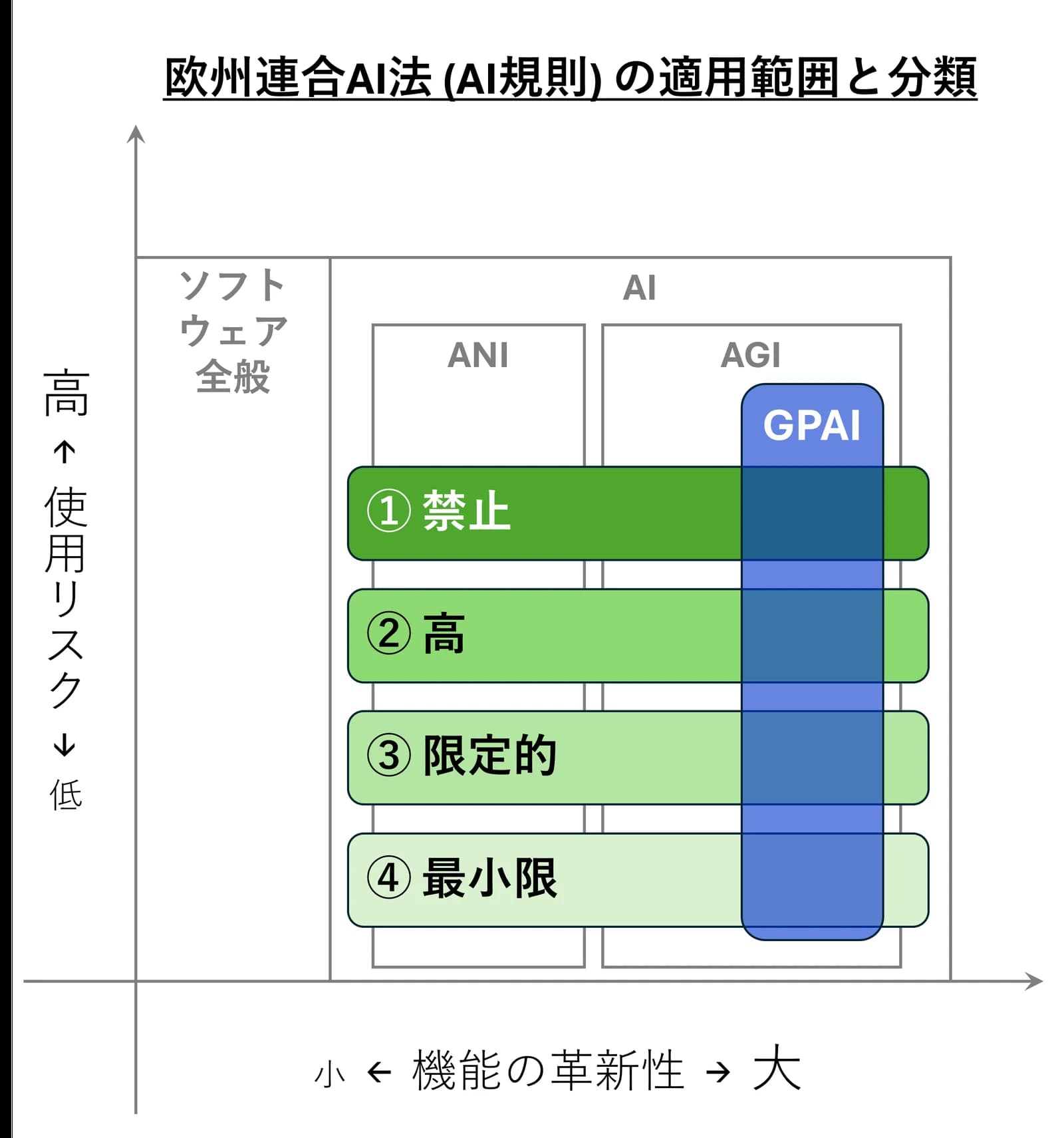
For educators and policymakers, Google’s reversal is evidence that classroom AI is entering a more regulated phase. For investors, it is a reminder that the winners in AI will not just be those with the best models, but those able to commercialize them without triggering a public-policy backlash.
| Entity | Gains | Losses |
|---|---|---|
| Schools and parents | ▲More control over student AI use | ▼Slower classroom deployment |
| Regulators and education authorities | ▲Stronger oversight leverage | ▼Pressure to define rules quickly |
| Google/Alphabet | ▲Lower reputational risk | ▼Slower user adoption |
| AI rivals targeting education | ▲Chance to win cautious buyers | ▼Greater scrutiny on product design |