Alphabet's Google is sharpening its AI advertising push as brands and agencies move faster to automate campaign creation, targeting and optimization — a shift that could reshape how digital ads are bought and sold across the sector.
Alphabet Google AI Advertising Push
Artificial Intelligence
The new road map matters because advertising remains the core cash engine for Alphabet, while AI is becoming the main battleground for where ad budgets flow next. As generative tools make it easier to produce more ads, measure performance and tailor creative at scale, the winners are likely to be platforms that can fold those capabilities into their search and display businesses without alienating advertisers or inviting new regulatory scrutiny.
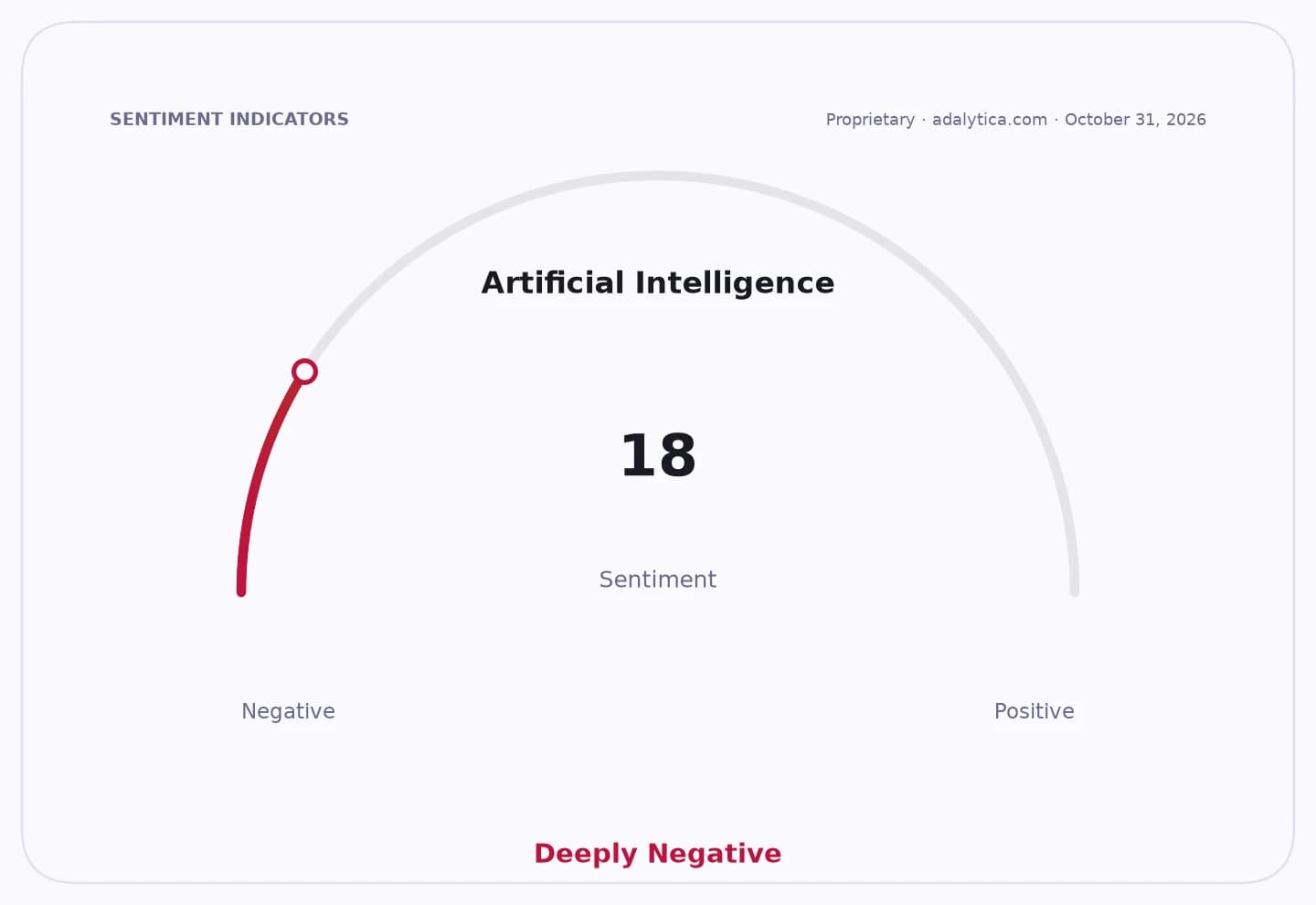
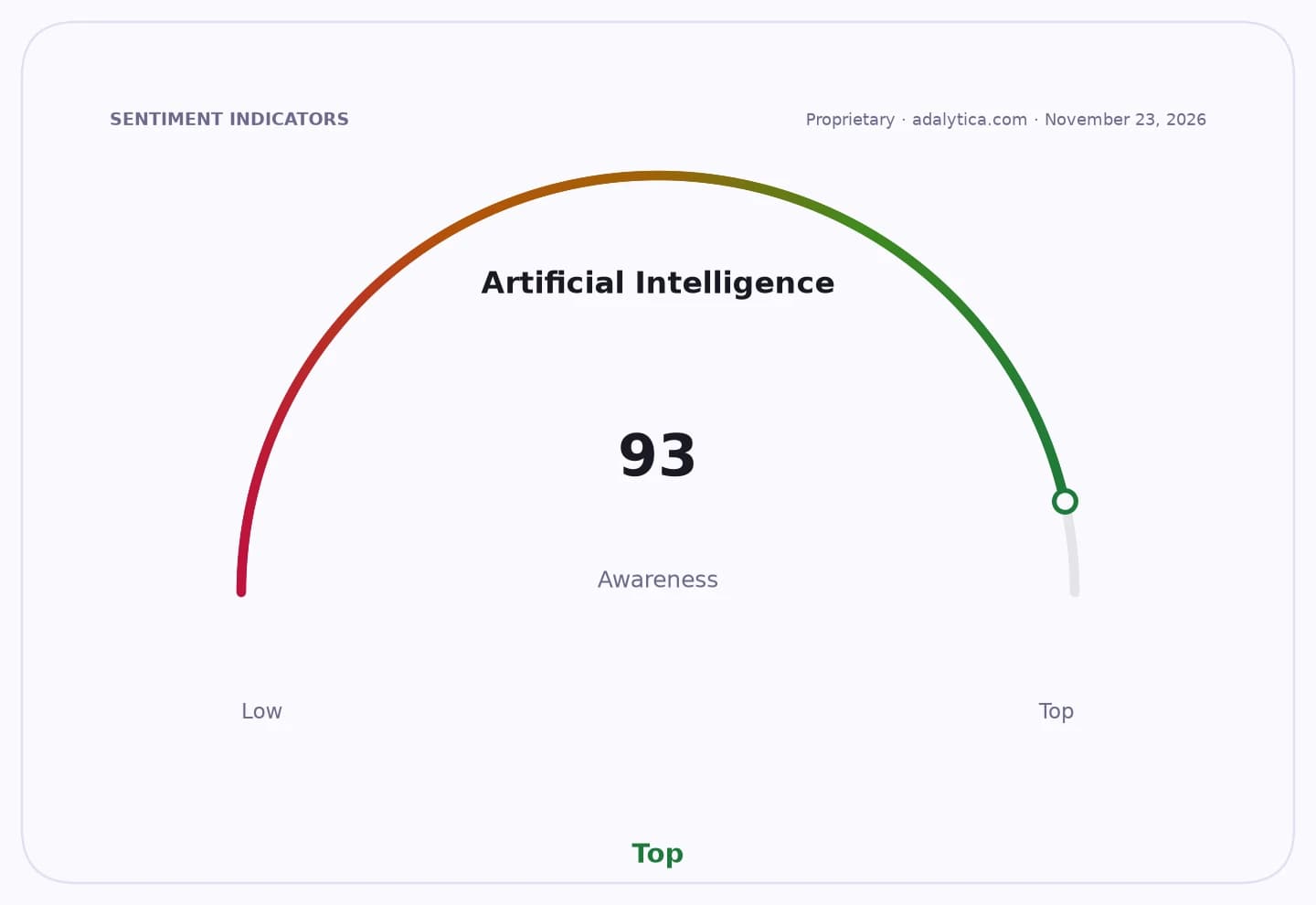
Sentiment Indicators
The move also lands in a more crowded and more fragile ad market. Industry data and recent filings from peers show competition for ad dollars is intensifying, with advertisers demanding better efficiency and more transparency even as they experiment with AI-generated creative. That puts pressure on independent ad-tech firms such as The Trade Desk, which has warned that new technologies and buying methods are creating a more dynamic competitive challenge.
Investors will read the update as another sign that Alphabet is trying to defend its advertising moat by embedding AI deeper into the product stack, rather than leaving the category to startups or rival platforms. Alphabet shares have been volatile in recent months, but the stock remains above its 200-day moving average, suggesting the market is still willing to give the company credit for monetizing AI if the tools translate into stronger ad demand or better pricing.
Artificial Intelligence — 30-day sentimentadalytica.com
Explore this data interactively — full history, time series and cross-market comparisons.
Meta, meanwhile, remains the most obvious rival in the race to automate ad buying and creative, while Snap and other ad-dependent platforms face the risk that budgets keep concentrating in the largest ecosystems. The broader theme is simple: AI is no longer just a cost story for ad tech, it is becoming the product itself.
The next catalyst is whether Google can show that AI tools improve campaign performance quickly enough to drive spending gains before rivals, regulators or advertiser fatigue slow adoption.
| Entity | Gains | Losses |
|---|---|---|
| Alphabet/Google | ▲More advertiser demand | ▼Slower AI monetization |
| Meta | ▲Stronger ad automation pitch | ▼Share loss if Google closes gap |
| The Trade Desk | ▲Industry AI adoption tailwind | ▼Pressure from platform competition |
| Brands/advertisers | ▲Faster campaign creation | ▼Less creative differentiation |