93% of Indian car buyers now turn to AI during research, and that shift could reshape how cars are marketed, compared and ultimately sold in one of the world’s fastest-growing auto markets.
Alphabet Google AI study on India car buyers
That is the real story in Google’s new study on the “Automobile Purchase Journey in the Age of AI.” The takeaway is not just that shoppers are using new tools; it is that the decision-making process itself is becoming more digital, more conversational and more dependent on Google’s ecosystem. For investors, that matters because the car purchase journey is one of the most valuable consumer funnels in advertising: if a platform helps shape the shortlist, it can capture intent long before a buyer reaches a dealership.
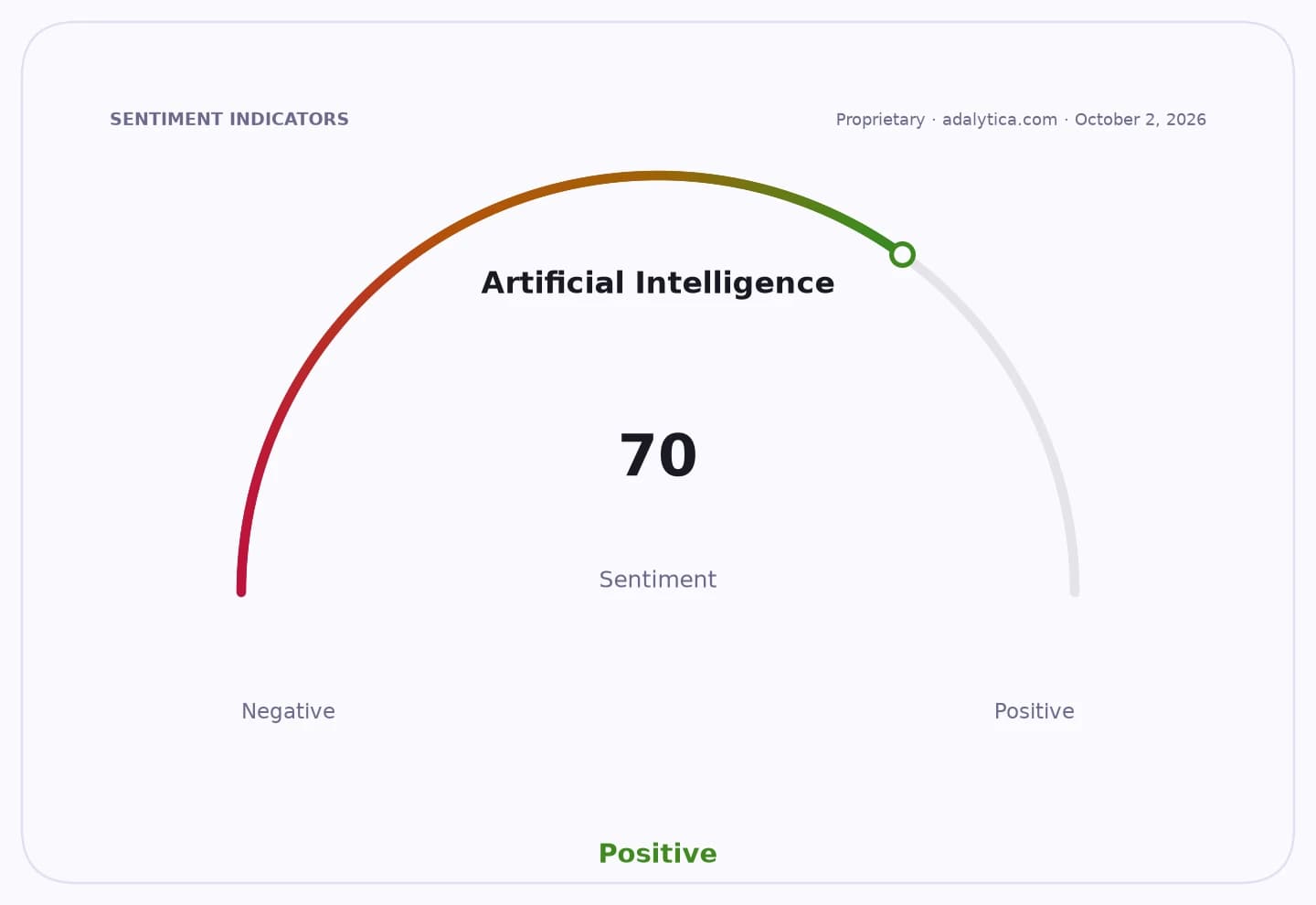
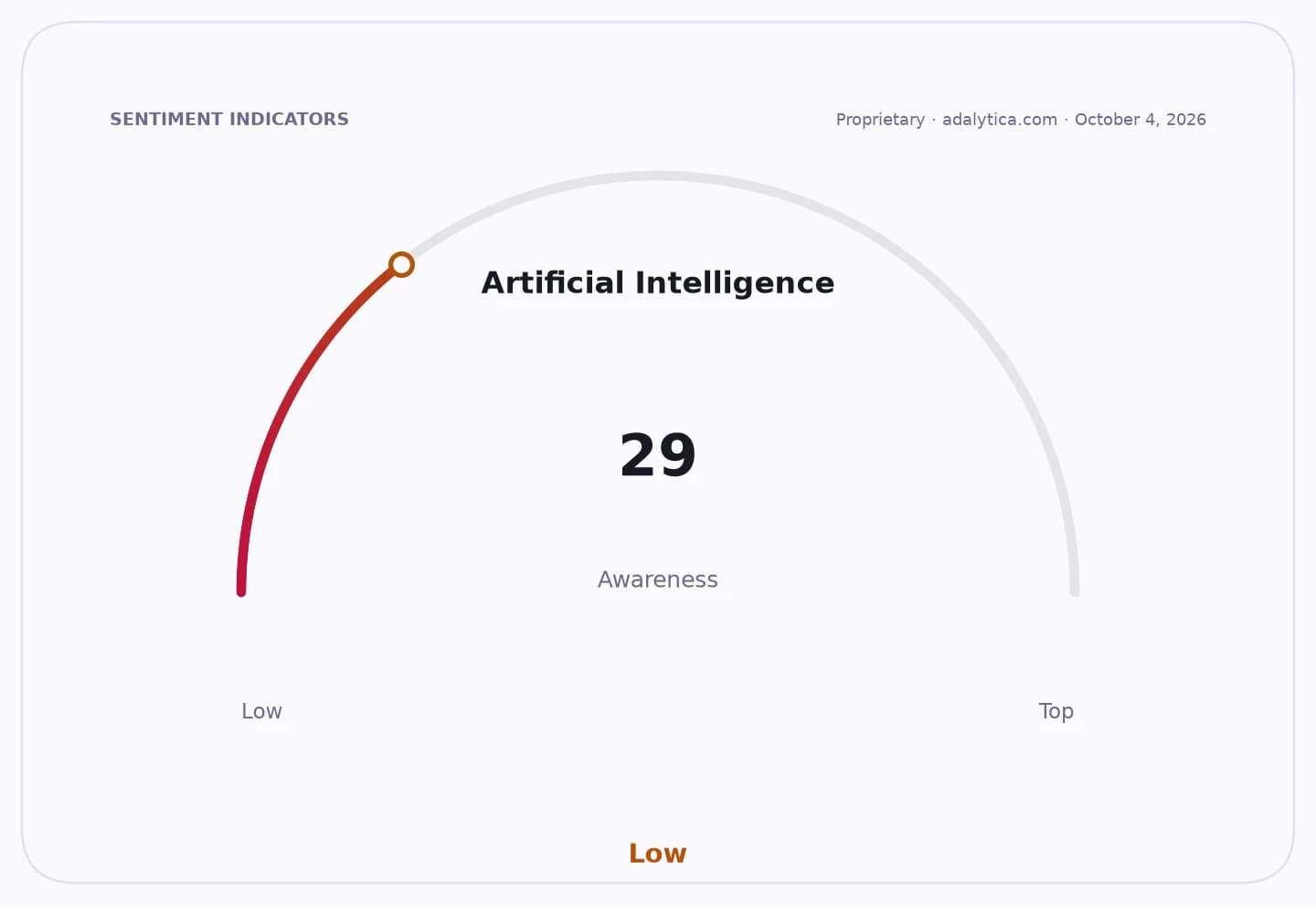
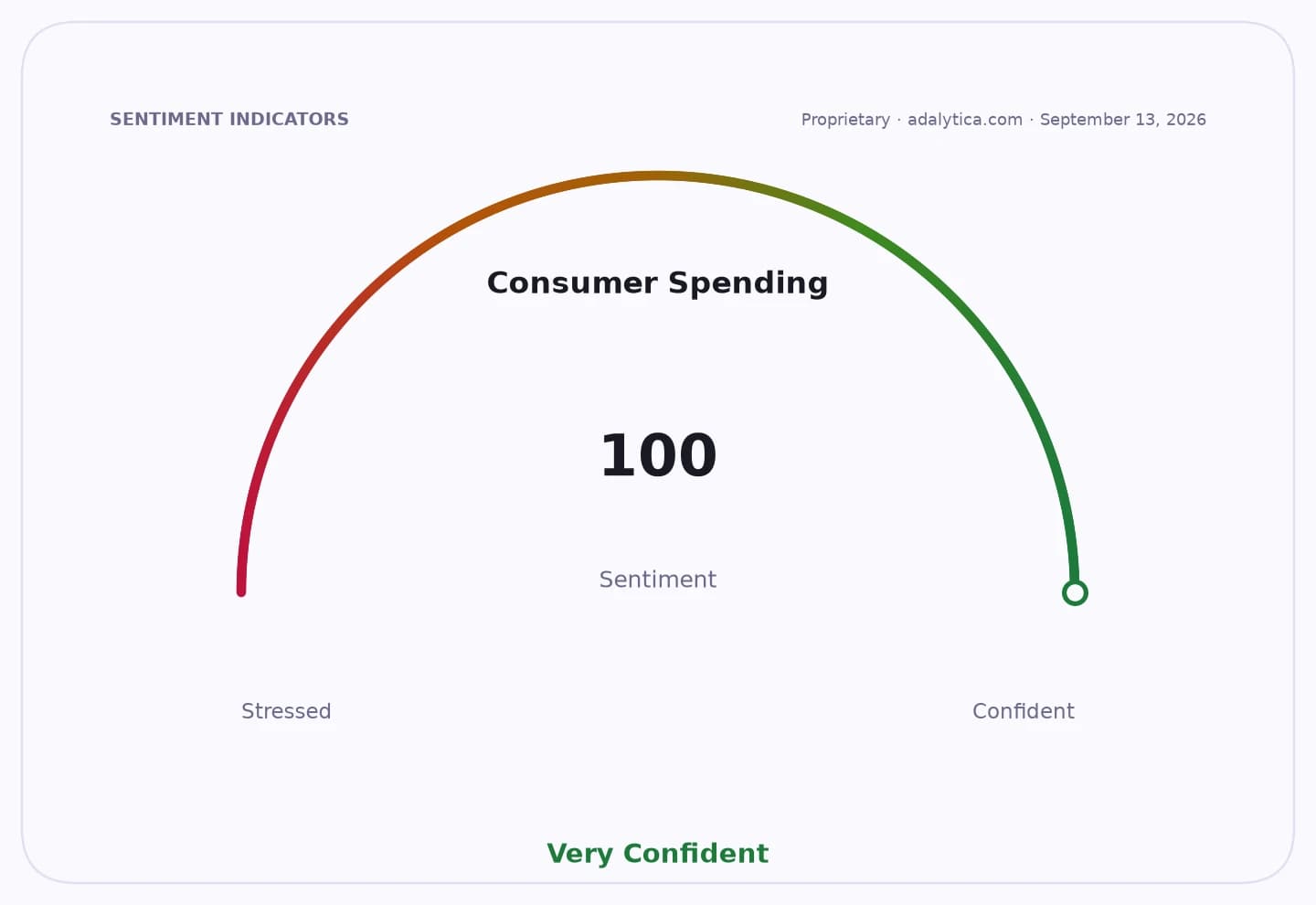
Sentiment IndicatorsⓘProprietary · adalytica.com · September 29, 2026
This is a snapshot — live sentiment, awareness and momentum for 130+ markets update continuously in the dashboard.Open AlphaPulse
Google says Indian shoppers now move through an average of 7.8 touchpoints as they research and validate a vehicle purchase, underscoring how carefully buyers are comparing specifications, financing and brand positioning. In that process, 87% of respondents engage with Google platforms such as Search, YouTube, Maps and Gemini, while 90% of surveyed Google Search users encounter AI Overviews and 89% use AI Mode for more nuanced queries. That is a strong signal that AI is not replacing search so much as deepening it.
For Alphabet, the implication is straightforward: the company is embedding itself even more firmly in high-value commercial decisions. Google Search remains the key destination for active research, while YouTube acts as an always-on showroom, with nearly six in 10 buyers casually exploring brands well before purchase and 77% relying on professional reviewers for trusted advice. In other words, Google is sitting at both the discovery and validation stages, which is exactly where ad products tend to be most effective.
That matters economically because auto marketing budgets are large, and they follow attention. If AI-driven search and video recommendation tools make Google more useful in a high-consideration purchase like a car, automakers have a powerful reason to spend more there. The study even highlights that 80% of car buyers using AI chatbots also return to Google Search and/or YouTube during active research, suggesting that conversational AI is not pulling traffic away from Google so much as feeding a broader research loop that Google can monetize.
There is also a timely angle for India itself. The study says the journey becomes especially deliberate ahead of the festive season, when purchase consideration rises. That makes the channel mix important for automakers such as Hyundai, which said its partnership with Google helped connect awareness on YouTube with intent-driven search ads, turning consideration into sales momentum for the Verna. For carmakers, the message is clear: winning in India is increasingly about winning the digital path to purchase, not just the showroom visit.
For investors in Alphabet, this is exactly the kind of secular behavior change that can support long-term ad demand. The company has been pouring money into AI while still depending on Search and YouTube to generate cash flow, and this study helps explain why those businesses remain so resilient. Alphabet’s recent share price action has shown some volatility, but the broader trend remains intact: as technical shopping journeys become more complex, platforms that simplify them can become more valuable.
The risk, of course, is that AI search becomes more competitive, or that automakers diversify spending across rival platforms and in-house channels. But the longer-term setup still looks favorable for the companies that own the consumer intent layer. In India’s auto market, AI is not just a buzzword; it is becoming the front door to a purchase.
For long-term investors, that makes Google worth watching not as a short-term trade, but as a core beneficiary of how consumers research expensive purchases in the AI era. If AI keeps expanding into everyday commerce, the payoff could be measured in years of durable ad demand and stronger monetization across Search and YouTube.
| Entity | Gains | Losses |
|---|---|---|
| Alphabet / Google | ▲More high-intent ad demand | ▼Rival ad platforms |
| Automakers using Google tools | ▲Better lead conversion | ▼Brands slower to adapt |
| Indian car buyers | ▲Easier comparisons, faster validation | ▼Buyers relying on outdated channels |
| Dealerships and offline-only marketers | ▲— | ▼Less control over early-stage discovery |