Travel companies are entering an inflection point where the winner will not be the first result, but the most trusted answer.
Travel Companies Face AI Booking Shift
A new industry report says the booking journey has splintered into 65 touchpoints in 2026 from about 45 in 2018, turning travel planning into a web of social media, search engines, AI tools, reviews, online travel agencies and supplier sites. That matters because each handoff is a chance for customers to drop out, repeat research or switch to a rival, raising acquisition costs and making continuity the new competitive moat.
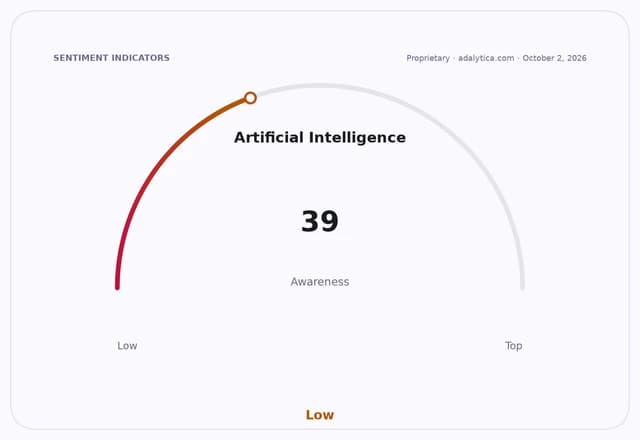
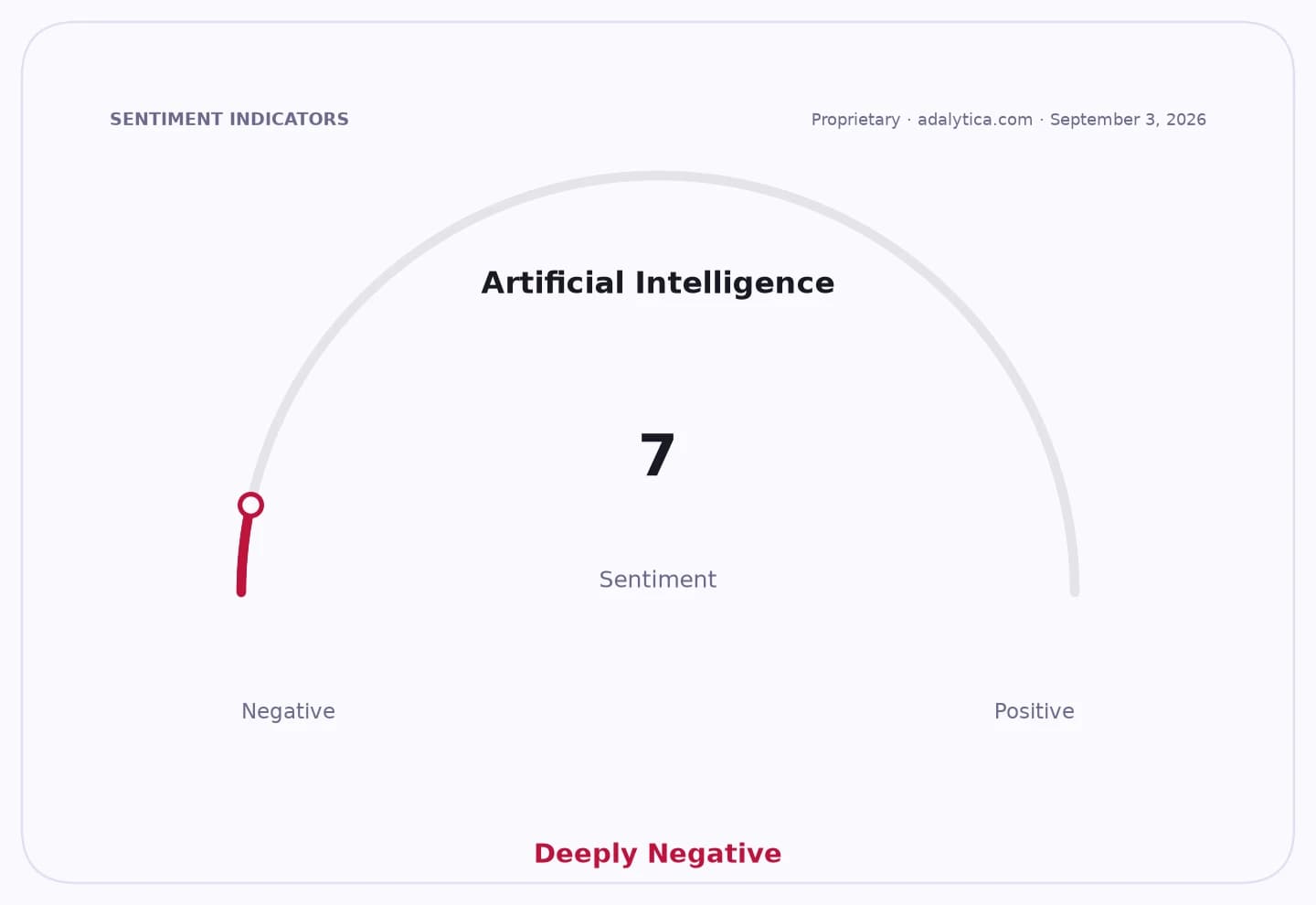
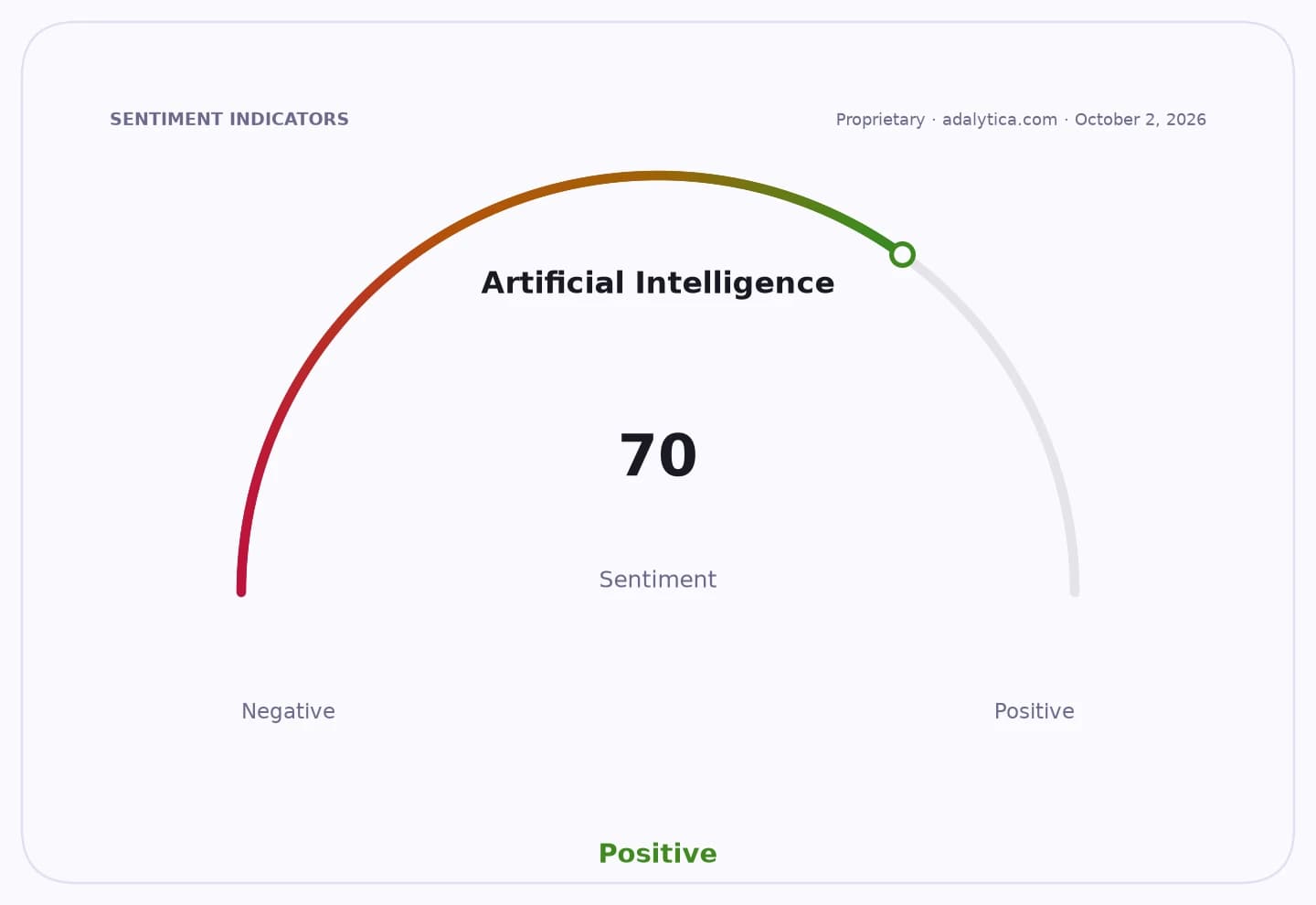
The report’s core finding is that artificial intelligence will not simply accelerate travel search; it will re-rank the industry’s gatekeepers. Sixty per cent of travellers now rank social media among their top three sources for initial trip ideas, 71 per cent are comfortable using AI for inspiration, and 86 per cent would consider AI bookings in the future. That is a direct warning to Booking Holdings, Expedia Group and Airbnb: visibility is moving away from the old search-and-click funnel and toward whatever systems can preserve context, trust and preference across sessions and devices.
The economic implication is straightforward. In a fragmented booking journey, the companies that can keep a traveller inside their ecosystem for longer should capture more of the margin. The losers are the platforms that rely on a single transaction or paid referral and then disappear. The report’s line that “the friction lives in the seams” is really a description of where value is shifting: from raw traffic to retained intent, from generic demand capture to persistent customer memory. That is exactly where connected-trip strategies, loyalty programs and direct relationships become more valuable than ever.
Booking Holdings has already framed its strategy around a “Connected Trip,” while Expedia has said it wants longer-lasting direct relationships with travellers and suppliers. Airbnb, meanwhile, remains exposed to the same AI reshuffle because discovery increasingly starts outside any single app. The report found that when identical travel prompts were run through multiple AI portals and OTA tools, no single hotel appeared in all five responses, suggesting that brands must now optimise for how they are represented inside AI systems, not just on their own websites. That opens an asymmetric opportunity for the strongest suppliers and platforms, but it also creates a real risk for weaker brands that vanish from machine-generated results.
There is also a powerful post-booking angle that the market may underestimate. Half of travellers surveyed said they had changed booked accommodation after finding a more attractive option. In other words, confirmation is no longer the finish line. For investors, that means the most durable travel businesses will be those that keep serving the customer after checkout with reassurance, changes, add-ons and relevant updates. That favours platforms with scale, data and loyalty engines, and it punishes intermediaries that treat the booking as a one-and-done event.
The stock tape reflects the industry’s growing sensitivity to this shift. Booking Holdings, Expedia and Airbnb have all seen sharp swings in 2026, underscoring how quickly investors are re-pricing growth, monetisation and competitive durability as AI changes discovery. Booking was last near $160, well below its 50-day moving average, while Expedia and Airbnb have also pulled back from recent highs. That does not mean the sector thesis is broken; it means the market is still sorting out which businesses own the relationship when AI sits between the traveller and the supplier.
My view is that the market is underestimating the second-order effect: AI will not eliminate travel intermediaries, but it will force them to prove they are the trusted layer that keeps the trip intact. The best-positioned names are the ones that can combine inventory, loyalty, supplier relationships and data-rich product pages into a seamless workflow that AI can surface and travellers can trust. That is why I would focus on the platforms and infrastructure providers that can own continuity, not just conversion.
For investors, the message is clear: this is a multi-year rebuild of the travel funnel, and the biggest winners will be the companies that become indispensable before, during and after the booking. In a market obsessed with AI as a cost story, travel is showing it can also be a distribution war — and the early advantage goes to the brands that make trust machine-readable.
| Entity | Gains | Losses |
|---|---|---|
| Booking Holdings | ▲Connected-trip moat | ▼Single-click commoditization |
| Expedia Group | ▲Direct relationships | ▼Generic OTA traffic |
| Airbnb | ▲Post-booking engagement | ▼AI-driven discovery leakage |
| Smaller OTAs / weak brands | ▲None | ▼Visibility in AI results |