Alphabet is preparing to sell a rare 100-year bond in pounds as the Google parent widens an already record-breaking debt deal to fund heavy artificial intelligence spending.
Alphabet Plans Pound 100-Year Bond for AI Spending

The move would make Alphabet the first technology company in nearly 30 years to tap century debt, following Motorola’s 1997 issue, and underscores how even cash-rich megacap groups are turning to long-dated borrowing to finance the AI buildout without leaning only on cash reserves. The company has more than $125 billion in liquidity, but it is also projected to spend more than $185 billion on capital expenditures in 2025 as it races to expand data centers, chips and cloud infrastructure.
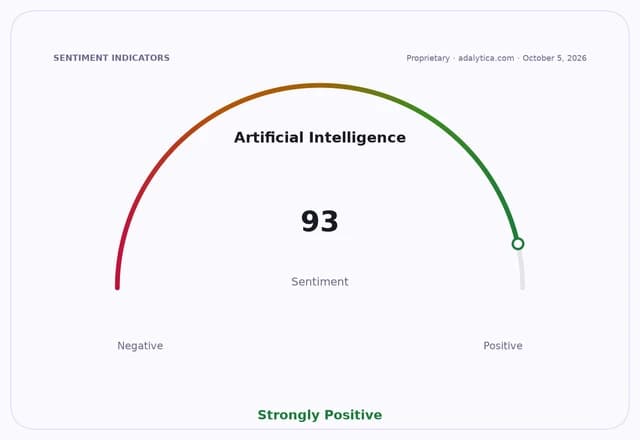
Alphabet has already sold $20 billion of debt, topping an initial $15 billion target after strong demand, according to the source report. Its U.S. dollar deal spans seven tranches, with the longest maturing in 2066, while the planned sterling century bond is designed to broaden the investor base and exploit lower borrowing costs outside the U.S. market. JPMorgan, Goldman Sachs and Bank of America are running the sale.
For investors, the deal is another sign that the AI boom is increasingly being financed in capital markets, not just from operating cash flow. That matters for credit traders watching duration risk and for equity holders weighing whether aggressive spending can keep returns ahead of rising financing needs. It also suggests Alphabet sees long-term debt as cheap insurance against future funding needs at a time when its long-term borrowings have quadrupled to $46.5 billion.

The broader backdrop is a surge in corporate debt issuance among large technology companies, with Oracle among the biggest recent borrowers. Alphabet’s move may set a new benchmark for ultra-long-dated tech funding if the century bond is placed successfully, and it could encourage other investment-grade issuers to test demand for very long maturities.
Investors will now watch the final pricing and reception to the sterling bond, as well as the pace of Alphabet’s AI capital spending and any further debt sales before year-end.
| Entity | Gains | Losses |
|---|---|---|
| Alphabet | ▲Lower-cost long-term funding | ▼Higher leverage and fixed interest costs |
| Bond investors | ▲Access to rare long-duration paper | ▼Duration and inflation risk |
| Rival tech issuers | ▲Validation of market demand | ▼Pressure to fund AI with debt |
| Equity holders | ▲AI buildout support | ▼Potential margin and cash-flow dilution |