SoftBank has tapped the high-yield market at record costs to bankroll its expanding bet on artificial intelligence, underscoring how expensive the race to finance OpenAI-linked ambitions has become.
SoftBank Raises $11B in Record High-Yield Debt
The Japanese conglomerate raised about $11 billion across dollar- and euro-denominated bonds, becoming the world’s biggest corporate junk-bond borrower as Masayoshi Son leans harder on debt to support commitments that are nearing $65 billion to OpenAI and other AI investments. The deal matters because it puts a price tag on one of the market’s most aggressive AI funding strategies: investors were willing to buy, but only at yields that reflect real unease about how and when those investments will pay off.
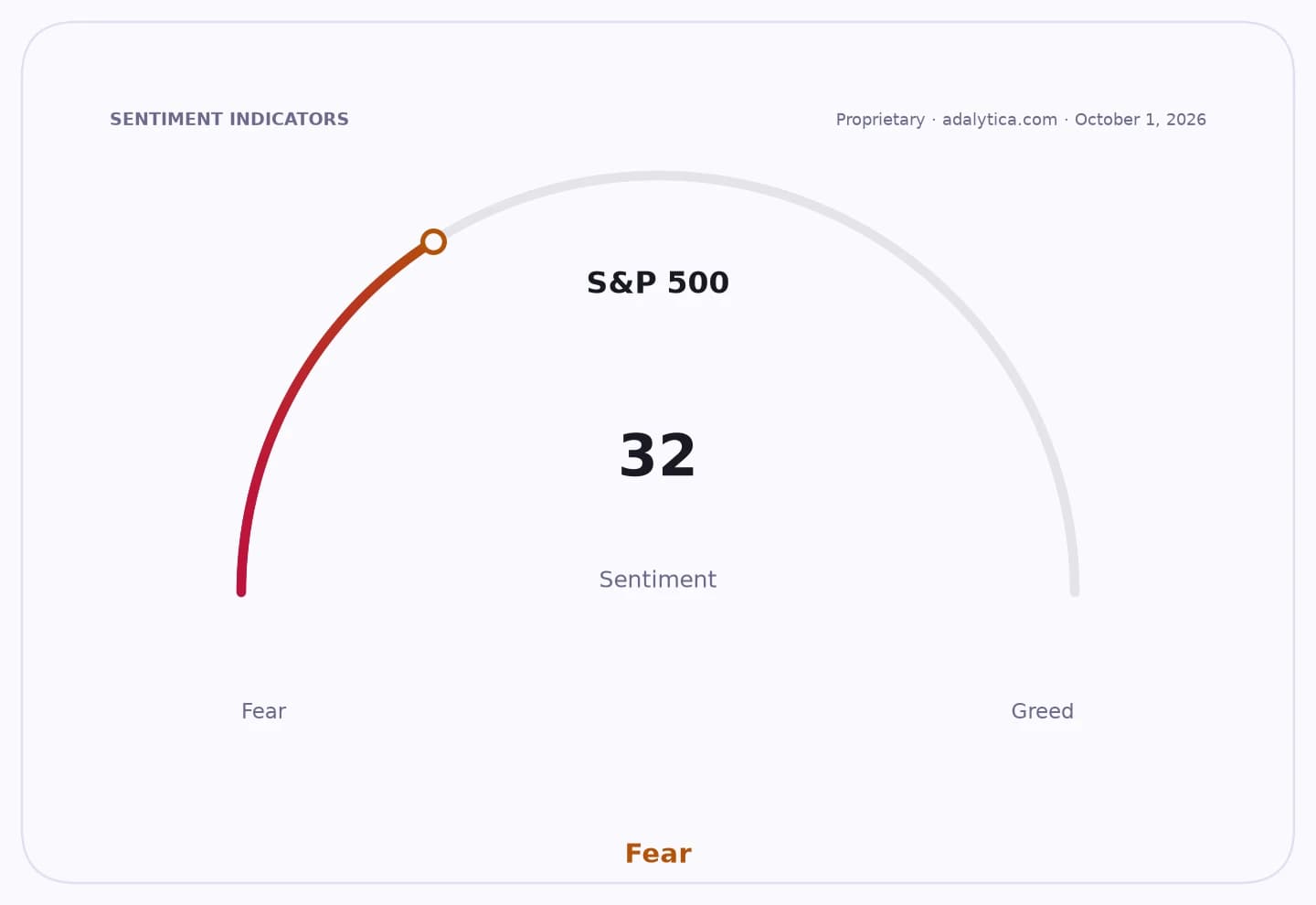
Sentiment IndicatorsⓘProprietary · adalytica.com · September 29, 2026
This is a snapshot — live sentiment, awareness and momentum for 130+ markets update continuously in the dashboard.Open AlphaPulse
SoftBank sold $1 billion of 3.5-year notes at 8.625%, $4.5 billion of 5.5-year debt at 9.25% and $4.5 billion of 7.5-year bonds at 9.75%, according to a person familiar with the matter. In euros, it sold €1 billion of notes in four- and six-year maturities, with the longer tranche yielding 8%, also a record for that tenor in the currency. The pricing came in below initial guidance after orders for the dollar deal topped $30 billion, but the final coupon levels were still the highest SoftBank has ever paid in dollars.
The deal lands at a sensitive moment for credit markets. Treasury yields have climbed to two-decade highs, making speculative-grade borrowing more punitive just as companies are being asked to finance the buildout of data centers, chips and energy infrastructure needed for AI. Goldman Sachs credit strategists recently estimated global AI-related debt issuance has already exceeded $575 billion in 2026, a pace that has left some bondholders wary that the sector is borrowing ahead of proof that returns will match the capital being committed.
For investors, SoftBank’s financing is both a vote of confidence and a stress test. The strong order book suggests there is still deep demand for yield, even from a borrower with a volatile credit profile. But the record coupons and wider credit-default swap pricing show that lenders are demanding compensation for execution risk, balance-sheet strain and the possibility that AI spending disappoints before earnings catch up. SoftBank’s CDS rose this month to the highest since April 2025, when it disclosed a $30 billion investment in OpenAI.
The market backdrop adds to the significance. SoftBank shares have shown the sort of volatility that typically accompanies leveraged bets on fast-changing growth themes, while junk-bond ETFs and risk assets have been sensitive to shifts in rates and appetite for speculative credit. The company’s ability to place so much debt at all suggests capital markets are still open to AI stories, but at a cost that could constrain future rounds of financing if the company wants to keep expanding.
Son has consistently argued that the payoff justifies the leverage, saying earlier this year that AI-related industries could account for 20% of global output by 2040, or $46 trillion. The bear case is simpler: if AI monetization lags the pace of spending, the debt load becomes a burden rather than a bridge. For now, SoftBank has shown it can still raise money. The harder question for investors is whether the AI boom can eventually cover the bill.
| Entity | Gains | Losses |
|---|---|---|
| SoftBank | ▲Funding for AI expansion | ▼Higher debt costs |
| OpenAI | ▲Fresh capital support | ▼Greater financing scrutiny |
| Bond investors | ▲High yield pickup | ▼Credit and execution risk |
| Competitors | ▲Sign of active capital markets | ▼Pressure to match spending |