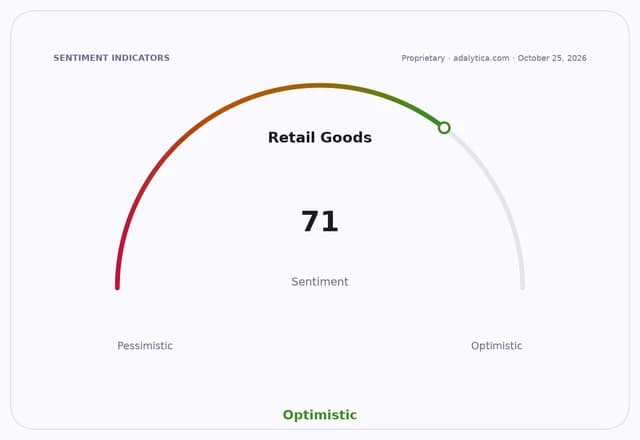
Amazon is adding 300,000 seasonal, part-time and full-time workers in the U.S. this holiday season, a 20% increase from a year ago, as the e-commerce giant prepares for what is expected to be the first trillion-dollar U.S. holiday shopping season.
Amazon Adds 300,000 U.S. Holiday Workers

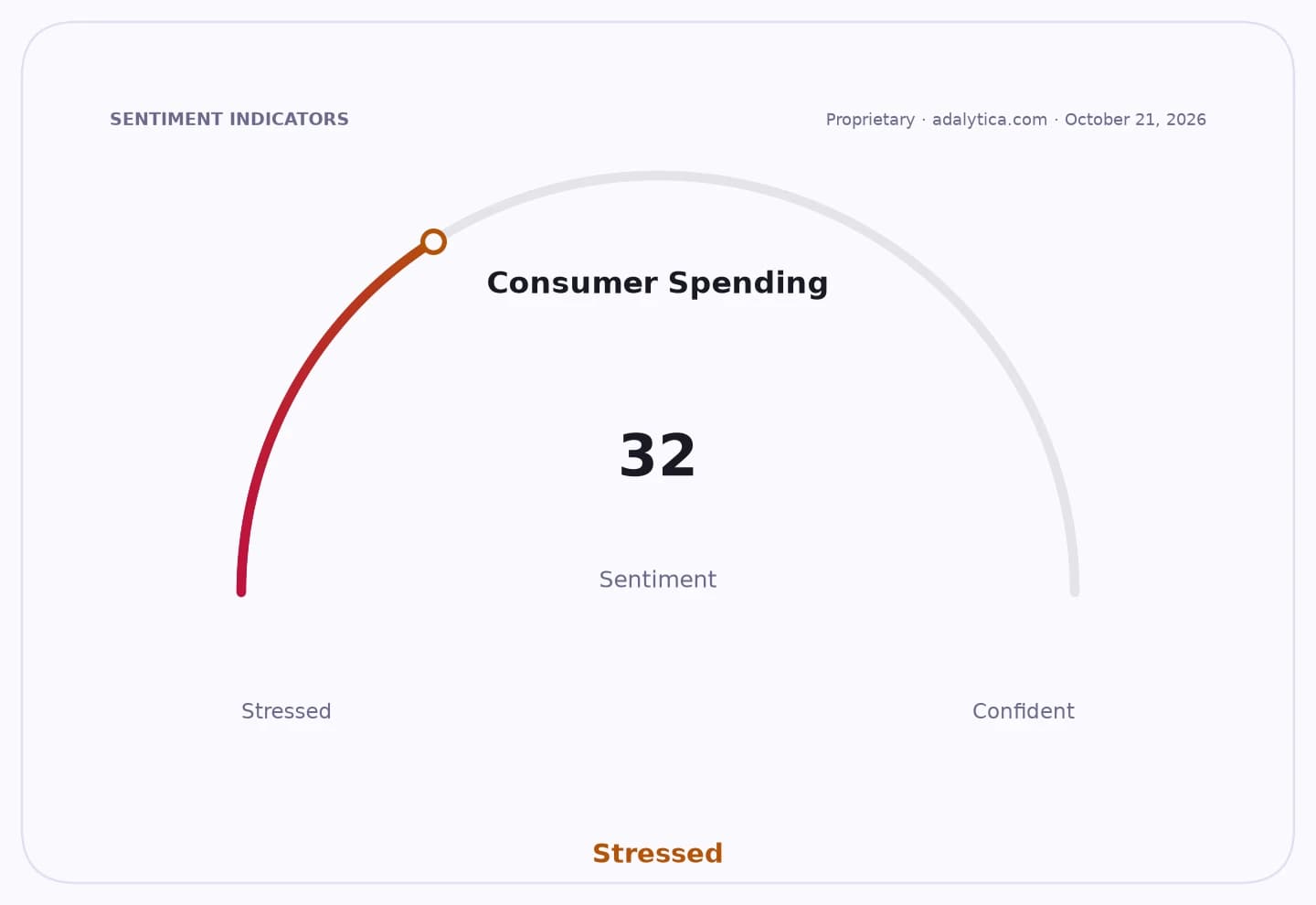
The scale of the hiring underscores how much of the retail economy now runs through Amazon’s fulfillment network, and how much demand the company expects to handle in a compressed shopping window. For investors, it is a read-through on holiday freight, warehouse labor and consumer spending momentum at a time when the broader market is still wrestling with whether the U.S. shopper is resilient enough to sustain growth into year-end.
Amazon said seasonal workers will earn an average of $20 an hour, matching the company’s earlier move to raise the minimum starting wage for full-time workers to $20 an hour. Average pay for full-time employees is about $24 an hour, and seasonal staff who work at least 30 hours a week will become eligible for the same healthcare benefits as full-time employees starting in 2027. The company will post jobs weekly through December, with openings including warehouse associates, equipment operators and robotics roles across sites from Wyoming to Pennsylvania.
The hiring push also speaks to Amazon’s continued investment in logistics and automation. The mix of warehouse, delivery-station and robotics jobs suggests the company is still balancing labor-intensive peak-season throughput with a more mechanized fulfillment model. That matters because Amazon’s filing has repeatedly flagged staffing and inventory optimization as drivers of shipping costs and profitability; hiring aggressively can support service levels, but it also raises the fixed-cost burden if holiday demand disappoints.

The broader retail backdrop is mixed. Consumer spending is still being watched closely for signs of fatigue, but holiday sales forecasts remain firm enough to justify large-scale seasonal recruitment. Walmart and Target have both shown that traffic and digital fulfillment remain central battlegrounds in U.S. retail, and Amazon’s hiring points to the same conclusion: the fight for the holiday shopper will be won on speed, availability and labor flexibility as much as on price.
For investors in Amazon, the key question is whether the added labor will translate into stronger holiday fulfillment efficiency and revenue growth without squeezing margins. If demand meets expectations, the hiring supports share gains in e-commerce and logistics. If not, the company could be left carrying higher staffing and operating costs into a period when investors are already sensitive to margin discipline.
| Entity | Gains | Losses |
|---|---|---|
| Amazon | ▲Holiday capacity and share gains | ▼Higher labor and operating costs |
| Seasonal workers | ▲More jobs and pay | ▼Temporary employment risk |
| Walmart and Target | ▲Stronger retail demand backdrop | ▼Amazon’s hiring intensifies competition |
| Investors | ▲Clarity on holiday demand | ▼Margin pressure if spending softens |