Self-employed delivery work is becoming more important just as the companies that rely on it face a harder margin fight, and that is why the next leg of the logistics story may be won by whoever controls the last mile most efficiently.
Uber, Amazon, FedEx face logistics cost pressure
The opening of a new logistics park near Bengaluru’s Kempegowda International Airport underscores a bigger shift in global trade: cargo operators are chasing shorter storage, faster turnaround and lower handling costs as supply chains become more time-sensitive. For platforms and carriers that depend on dense courier networks, that means the economics of delivery are increasingly tied to infrastructure, not just software or scale.
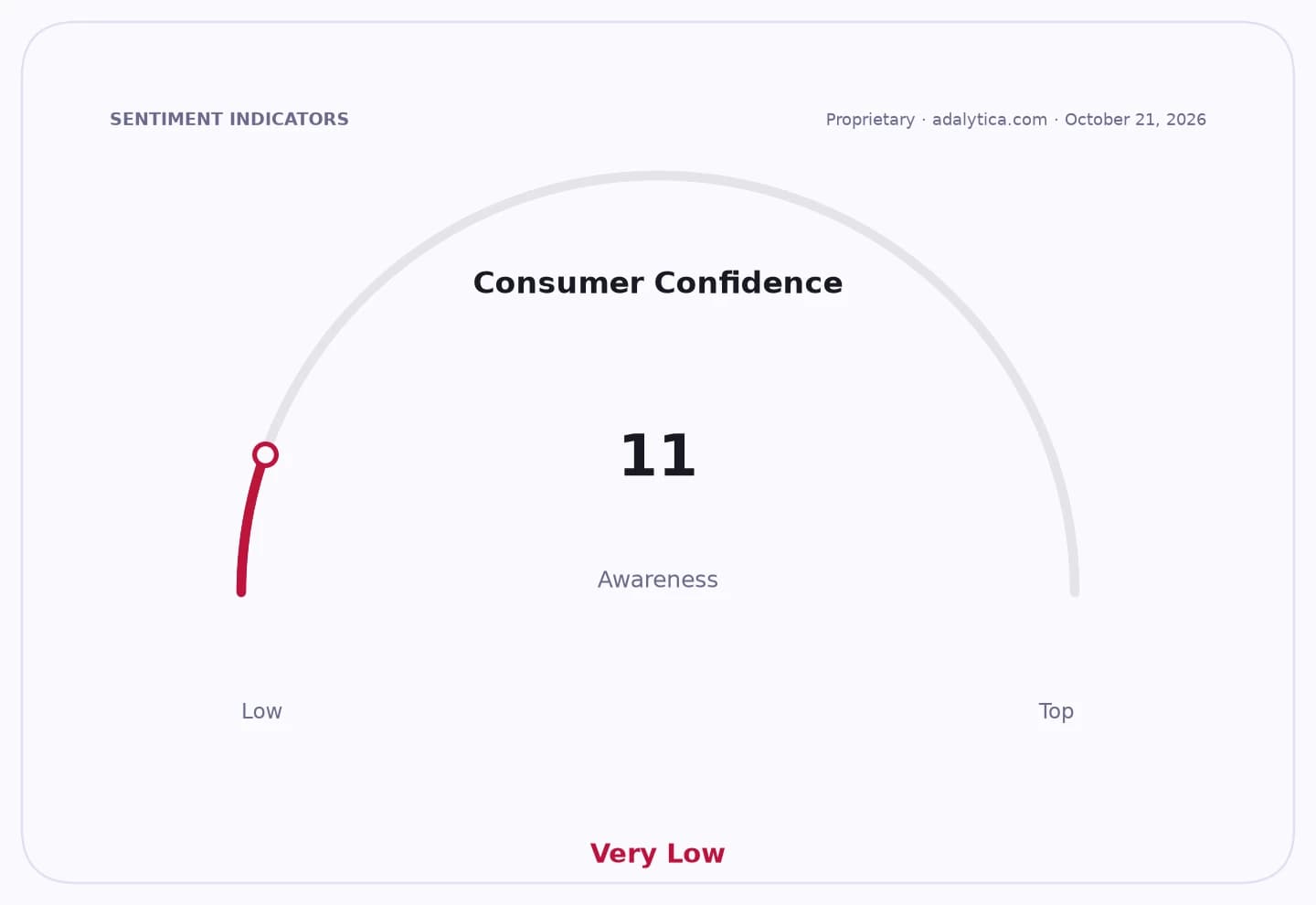
Sentiment IndicatorsⓘProprietary · adalytica.com · October 25, 2026
This is a snapshot — live sentiment, awareness and momentum for 130+ markets update continuously in the dashboard.Open AlphaPulse
That matters because the logistics sector is moving toward a model where flexibility is valuable, but so is labor discipline. The seed posting for a part-time, self-employed logistics partner fits that change: companies want variable capacity without the fixed costs of full-time staff. Uber’s own filing shows why the model remains strategically sensitive. The company says it could face “significant additional expenses” if it is forced to classify drivers as employees or quasi-employees, a reminder that contractor-based logistics is still a core profit lever. Any shift in that model would hit margins directly.
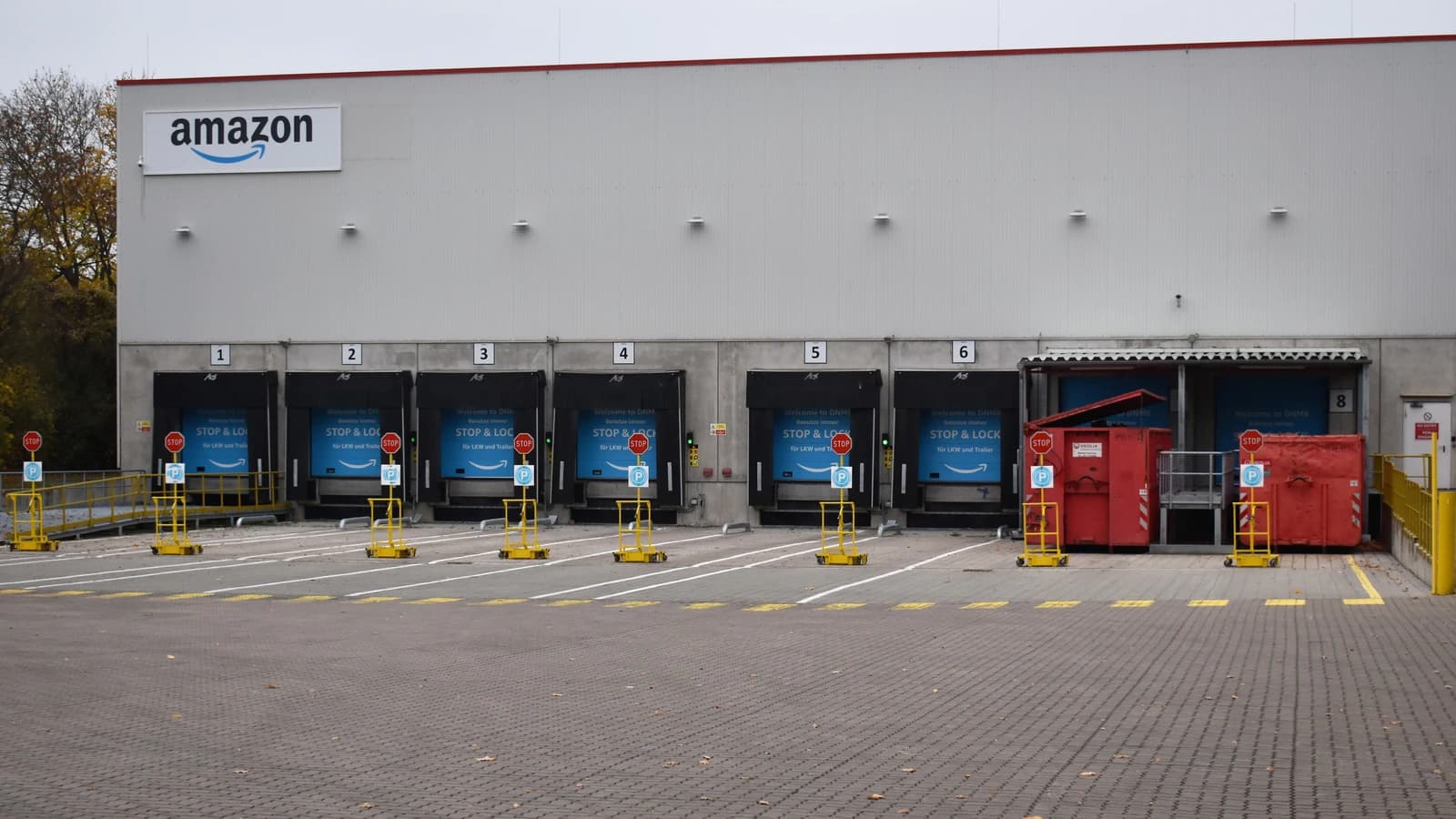
Investors should read this as more than a labor headline. Uber, Amazon and FedEx are all exposed to the same structural pressure: rising delivery demand, higher operating costs and the need to keep service levels high without bloating payrolls. Amazon’s latest filing shows the company is still pouring money into fulfillment and technology infrastructure, while FedEx continues to trade near key technical levels even as investors reassess how much pricing power the parcel business really has. The market is still paying up for growth, but the real value may sit in the toll roads of logistics — airport-adjacent warehouses, short-term cargo storage, route optimization and the platforms that can flex labor fastest.
Technically, the stocks are sending mixed signals. Uber has slipped below its 50-day and 200-day moving averages, while Amazon has been digesting a strong run after trading above its longer-term trend line earlier in the quarter. FedEx has held up better on the chart, but its recent volatility suggests investors are still weighing cyclical demand against margin resilience. This is exactly the kind of setup where the market often underprices second-order beneficiaries.
Our thesis is straightforward: the logistics winners are not just the obvious carriers, but the infrastructure and platform names that can monetize every extra handoff, storage hour and delivery route. If e-commerce, airport cargo and on-demand fulfillment keep expanding, then companies with scalable last-mile networks and asset-light partner models should have the clearest upside. The risk is regulatory — particularly around contractor classification — but the opportunity is bigger than the headline noise. Position for logistics infrastructure, delivery platforms and the pick-and-shovel businesses enabling faster cargo flow. That is where the asymmetric return is likely to show up next.
| Entity | Gains | Losses |
|---|---|---|
| Logistics park operators | ▲Higher warehouse demand | ▼More capex burden |
| Uber and gig platforms | ▲Flexible labor supply | ▼Wage reclassification risk |
| Amazon and FedEx | ▲Faster delivery capacity | ▼Higher fulfillment costs |
| Contractors / self-employed couriers | ▲More job openings | ▼Income volatility |