AI software is moving into America’s emergency call centers, where dispatchers are increasingly using automated assistants to handle non-emergency requests and free human operators for life-threatening calls.
Amazon Connect Used in Charleston 911 Dispatch
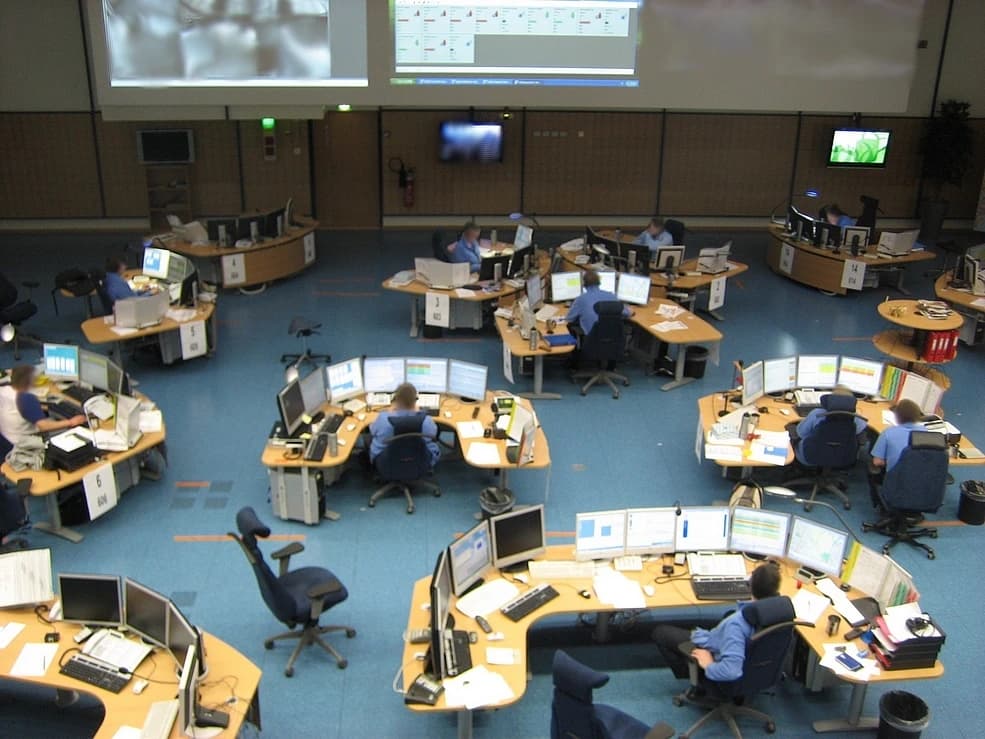
The shift matters because public-safety answering points are a critical but chronically strained part of municipal infrastructure. When storms, accidents or local disruptions flood centers with routine questions about downed trees, blocked roads or service outages, the volume can overwhelm staff and delay response times on urgent calls. By diverting those lower-priority interactions to AI bots, agencies can reduce queue times, improve call routing and make better use of a limited labor force.
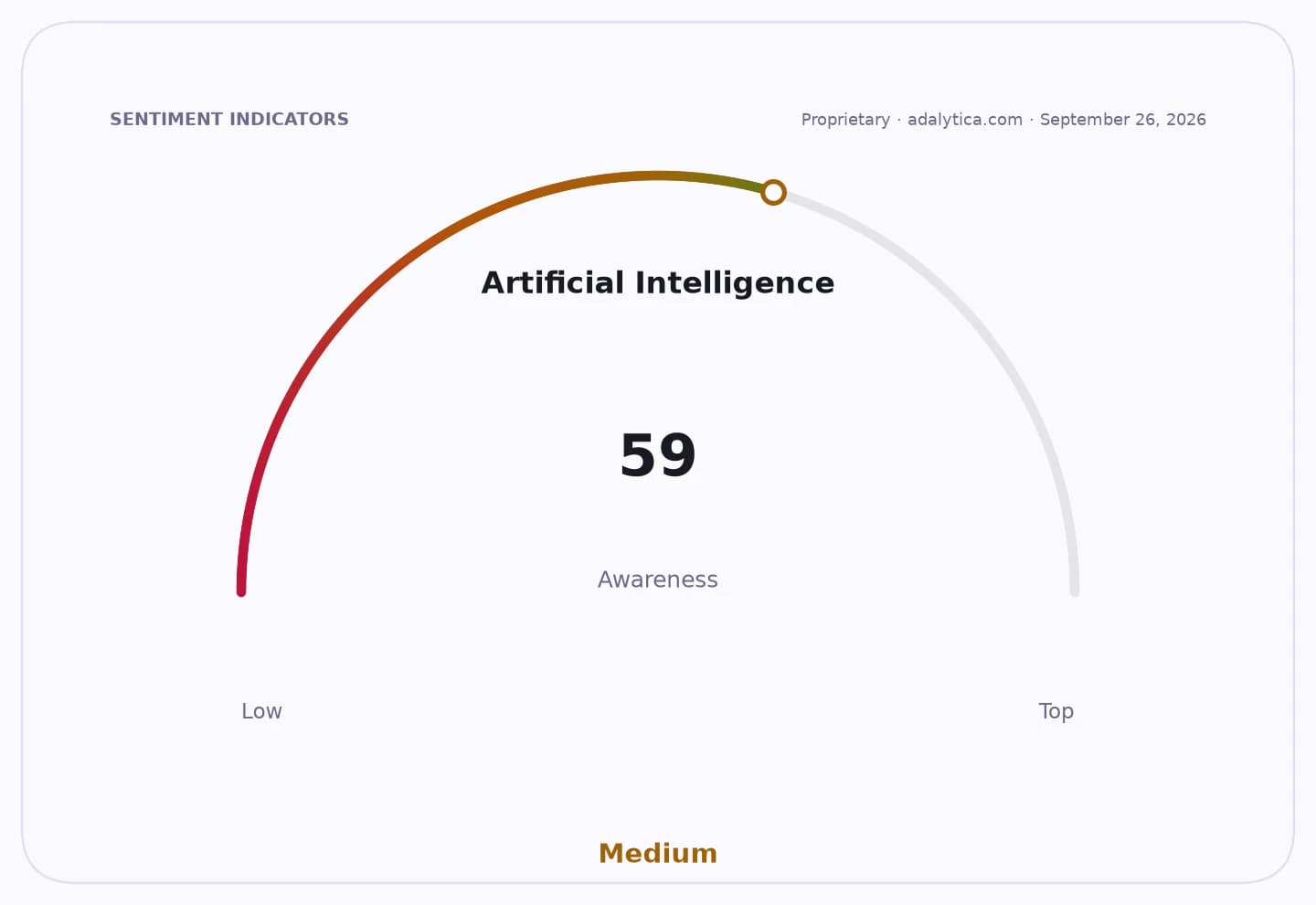
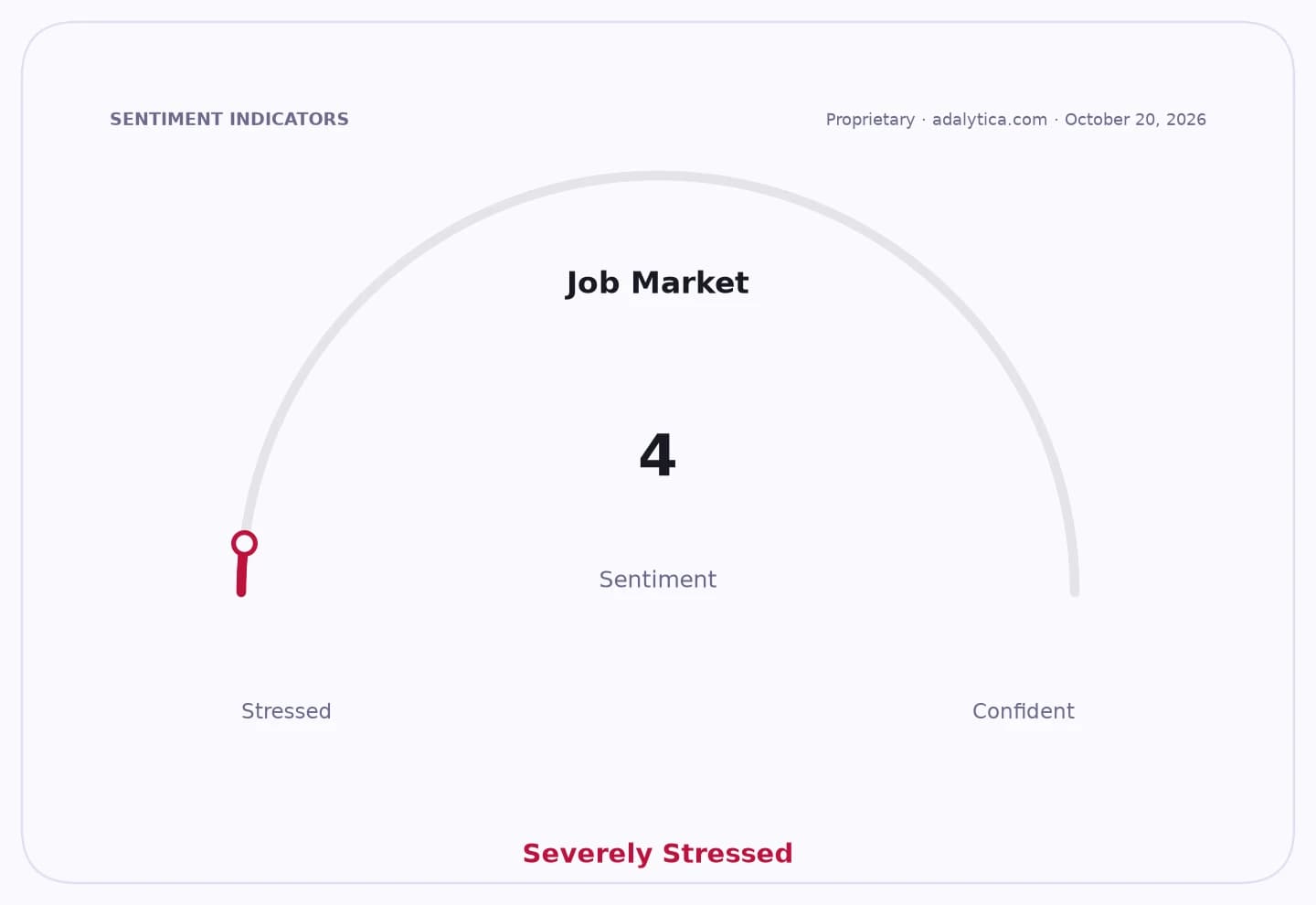
Sentiment Indicators
A Charleston County emergency communications center in South Carolina is among the users of Amazon Connect, Amazon Web Services’ cloud contact center platform, to answer non-emergency calls. That reflects a broader trend: local governments are adopting enterprise-grade cloud tools rather than building custom systems themselves, betting that commercial AI can scale more quickly and cheaply than traditional public-sector software. For Amazon, Microsoft and other infrastructure providers, emergency dispatch is another proof point that AI use cases are moving beyond office productivity and into mission-critical workflows.
The economics are straightforward. Emergency centers face rising call complexity, tighter budgets and persistent staffing shortages, while demand remains unpredictable and can spike sharply during weather events or other crises. Automation can absorb part of that burden without replacing dispatchers, potentially lowering overtime costs and reducing burnout. The bear case is that any AI failure in a public-safety setting could quickly become a liability issue, particularly if a bot misclassifies a call, frustrates a caller or worsens triage delays.
For investors, the development reinforces the argument that AI spending is becoming embedded in real operations, not just experimental pilots. That is constructive for cloud vendors and workflow software providers that can prove measurable productivity gains. It also highlights the regulatory and reputational risks that come with deploying AI in sensitive environments, a point underscored by growing calls from policymakers and industry leaders for clearer safety standards.
The broader narrative is that AI is being adopted first where labor is scarce, demand is spiky and accuracy can be bounded by human oversight. Emergency dispatch fits that profile. If the technology proves reliable, it could spread to other public-sector hotlines and customer-service functions. If it stumbles, adoption will slow fast.
| Entity | Gains | Losses |
|---|---|---|
| 911 dispatch centers | ▲Lower call volumes | ▼Less manual control |
| AI cloud vendors | ▲More public-sector contracts | ▼Greater liability exposure |
| Taxpayers/municipalities | ▲Potential cost savings | ▼Upfront integration costs |
| Callers with urgent needs | ▲Faster triage | ▼Risk from bot errors |