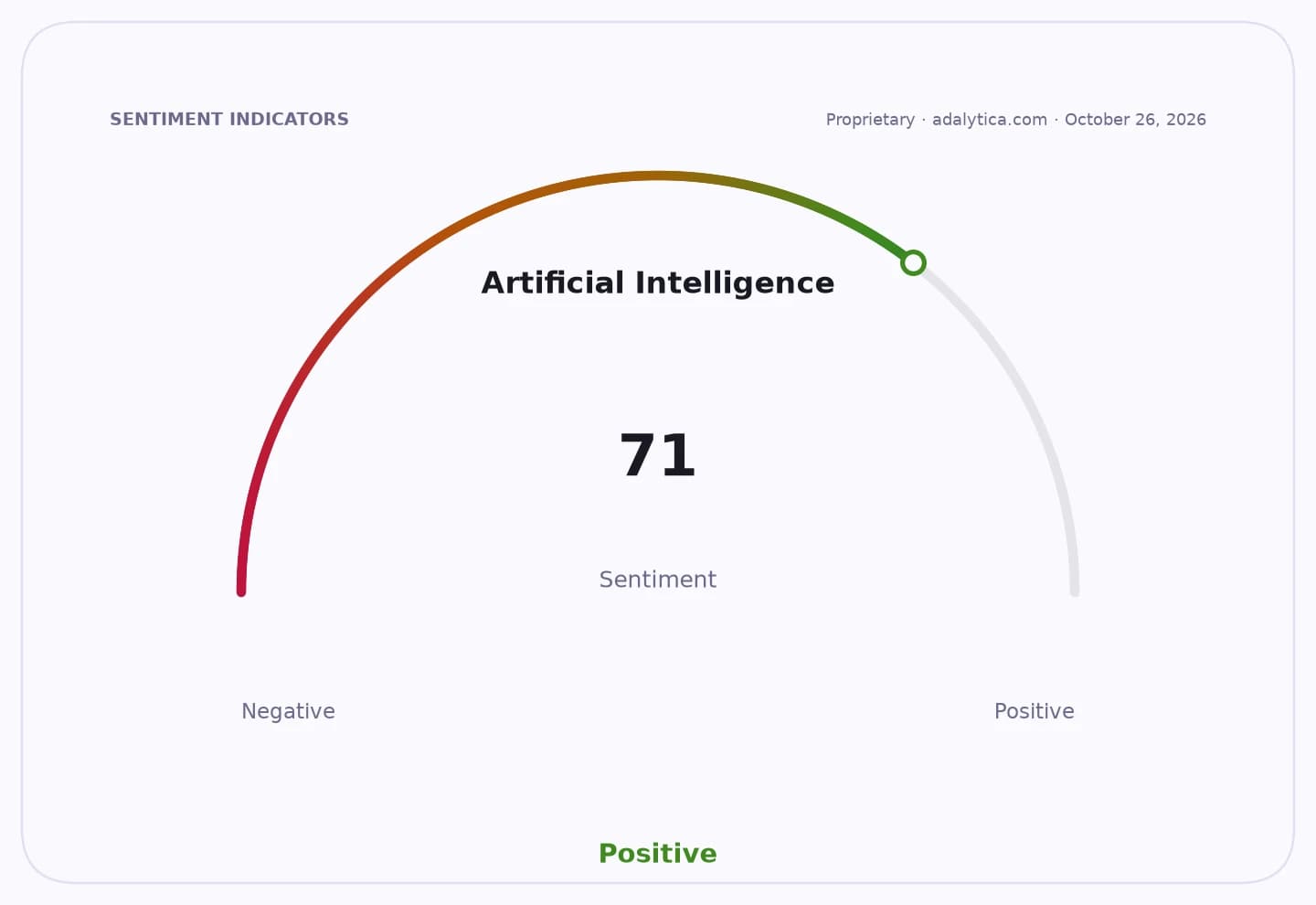
Voice assistants built by Apple, Alphabet and Amazon are no longer a novelty, but the economics of the category are changing as generative AI raises the bar for what consumers expect from a digital assistant and what investors expect these companies to spend to keep up.
Apple, Alphabet and Amazon Face AI Assistant Shift
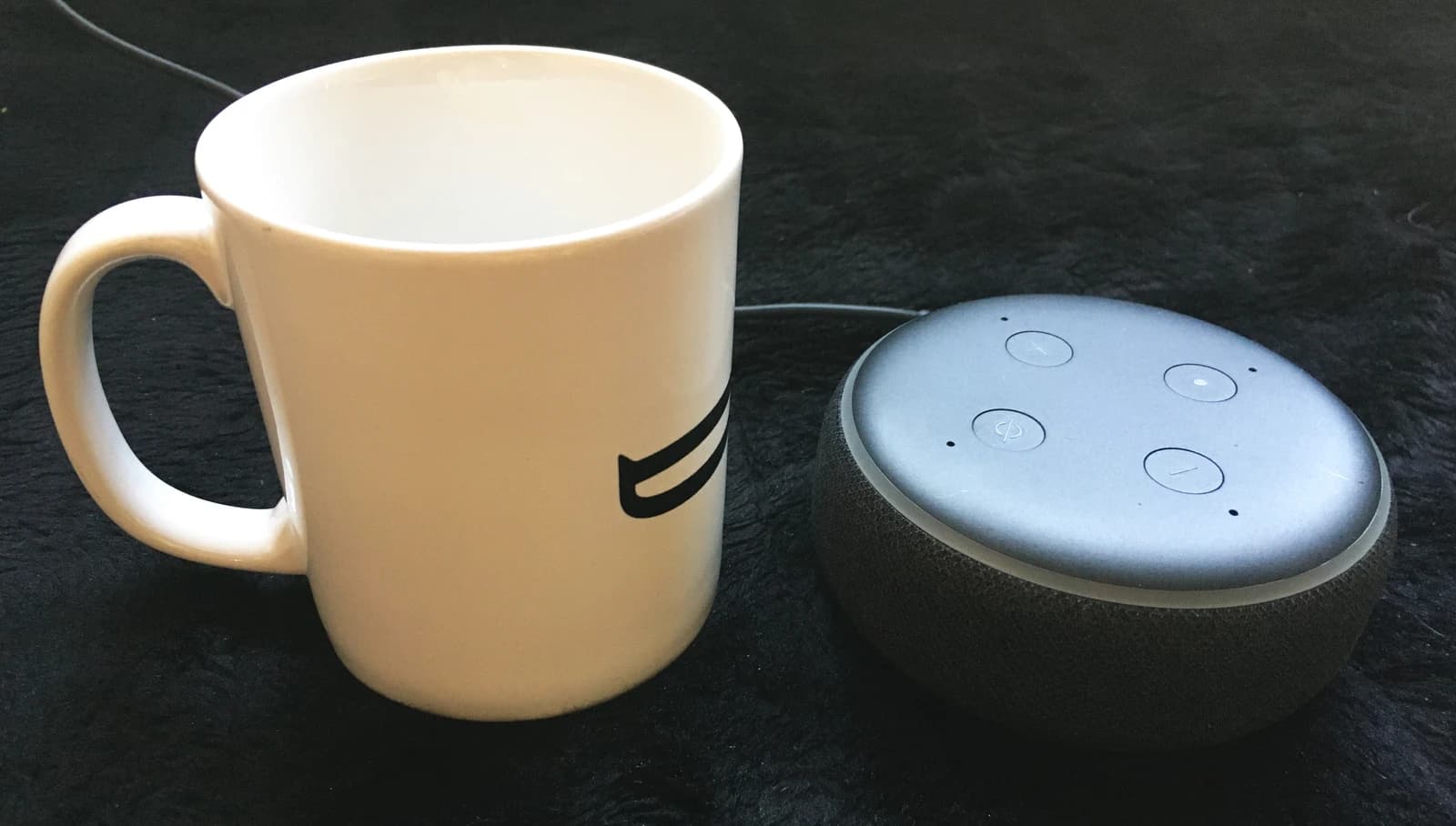
For years, Siri, Google Now and Alexa helped define the first wave of consumer voice technology: useful for simple commands, but limited by rigid scripts and uneven accuracy. That model now looks increasingly dated. The competitive center of gravity has moved toward AI systems that can hold more natural conversations, summarize information and complete tasks across apps, forcing Big Tech to rethink whether voice assistants should remain standalone products or become an interface layer inside broader AI ecosystems.
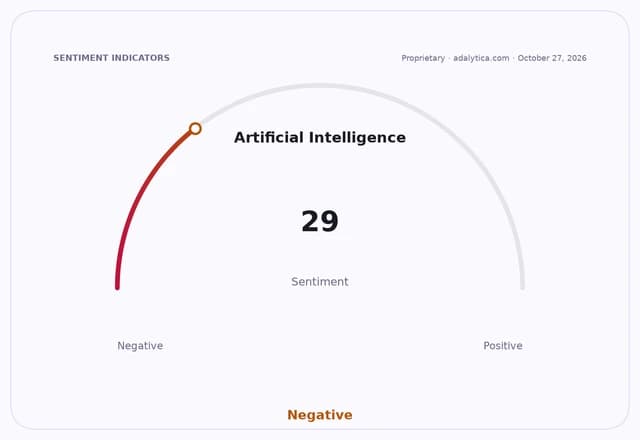
Sentiment IndicatorsⓘProprietary · adalytica.com · October 27, 2026
This is a snapshot — live sentiment, awareness and momentum for 130+ markets update continuously in the dashboard.Open AlphaPulse
That matters economically because voice remains one of the cheapest ways to make software feel personal, but also one of the hardest to monetize directly. If Apple, Google and Amazon can revive their assistants with more capable AI, they can deepen engagement across devices, search, commerce and cloud services. If they cannot, the feature risks becoming a maintenance burden that consumes engineering resources without producing much revenue. The shift also has implications for hardware upgrades: a more capable assistant can help justify new phones, smart speakers and connected devices, while a weak one can reinforce the perception that premium hardware is not delivering enough innovation.
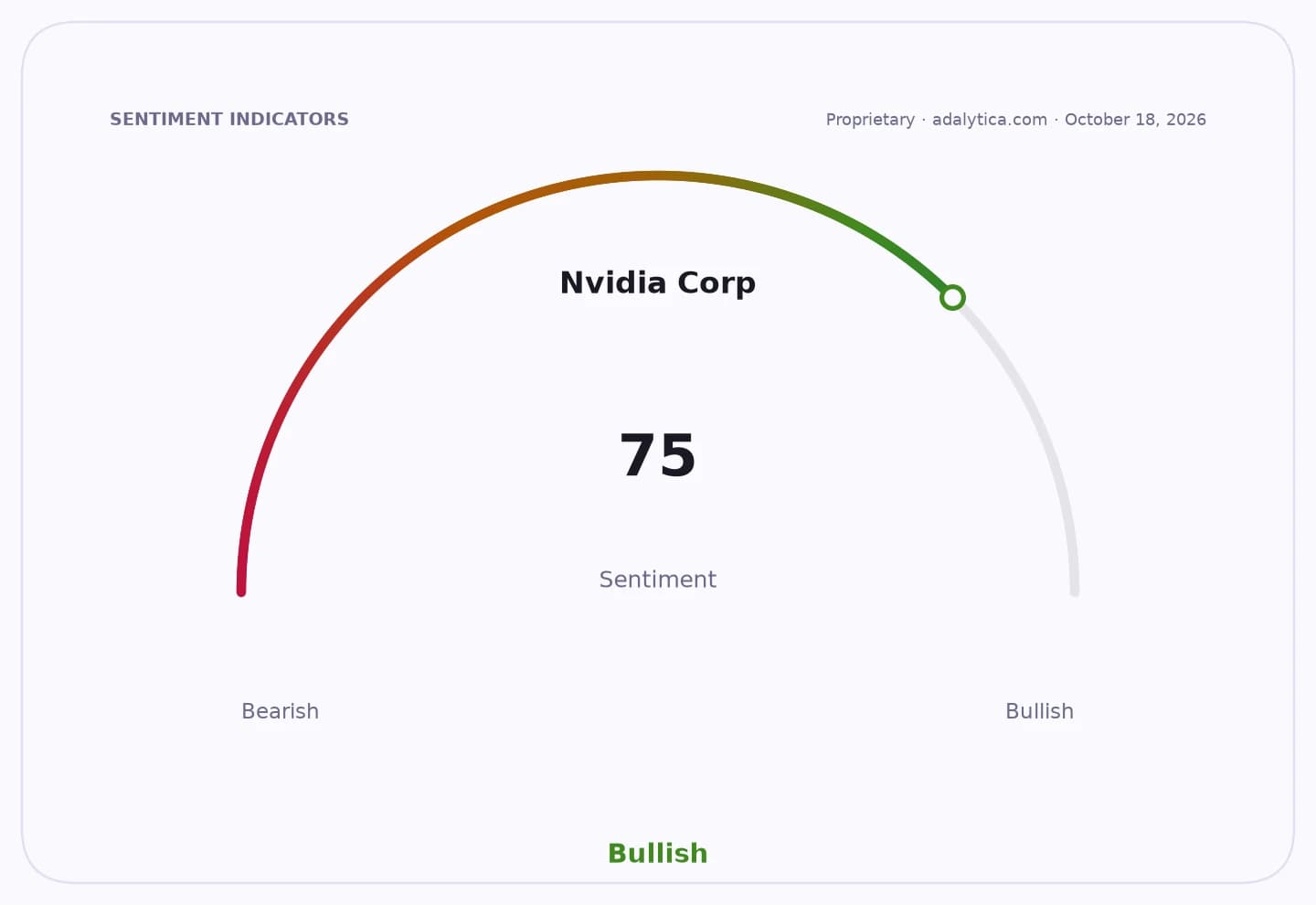
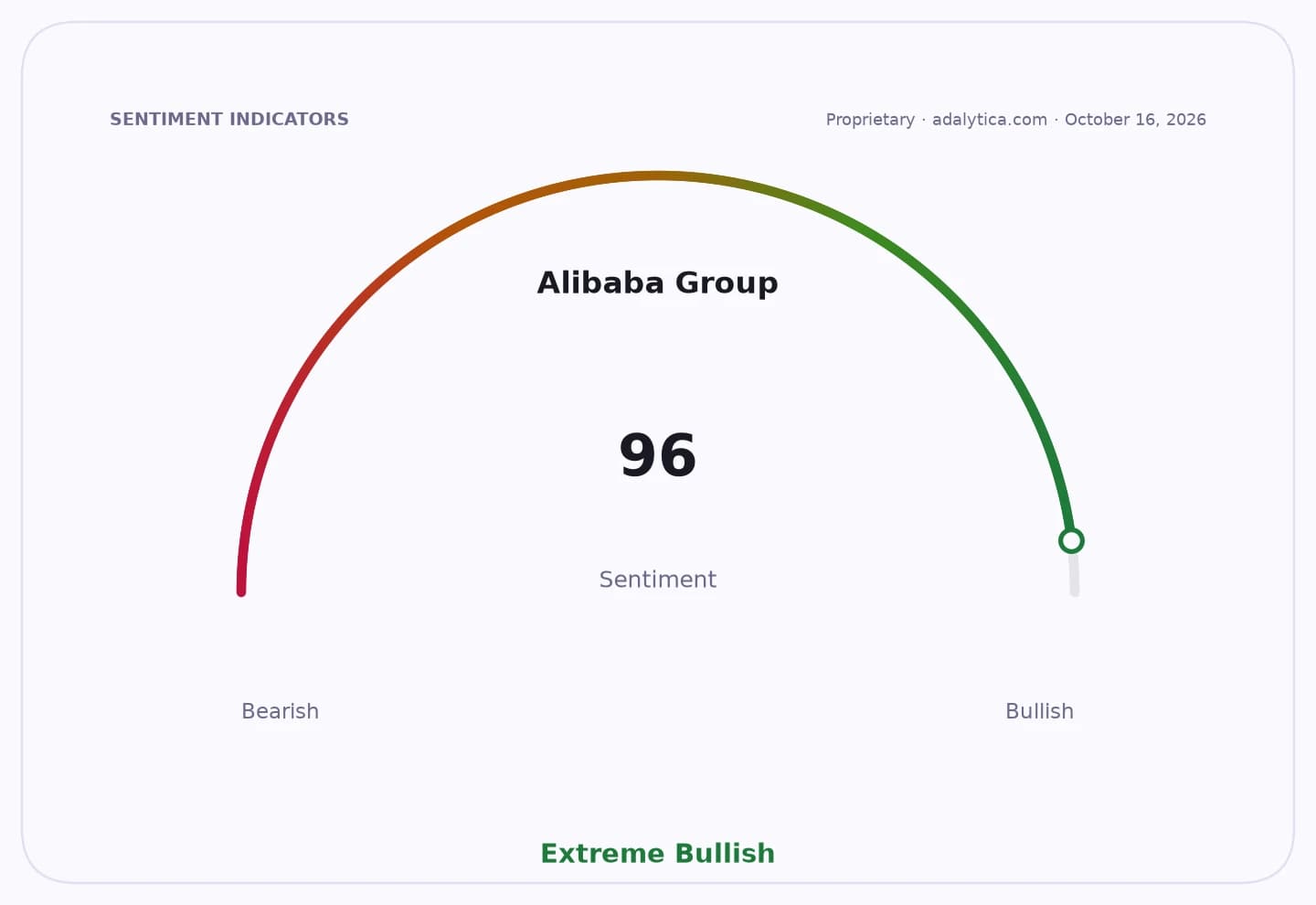
The market data underscores how investor attention has migrated to AI leaders rather than legacy assistant products. Nvidia’s AI-related sentiment is in “Extreme Greed,” according to Adalytica.com, reflecting the market’s focus on the infrastructure powering the next generation of assistants and applications. By contrast, sentiment around Microsoft is neutral and Apple’s shares have been firm but are trading below their recent highs, with the stock at $343.91 versus a 50-day moving average of $330.23. Alphabet is under more pressure, closing at $316.80 on Oct. 26, below its 50-day average of $342.30, while Amazon ended at $249.09, also under its 50-day average of $255.38. That divergence suggests investors are rewarding the companies most clearly tied to AI infrastructure and penalizing those whose consumer-facing AI products have yet to show decisive monetization.
For Apple, the challenge is especially acute. Siri has long been embedded in the iPhone ecosystem, but its utility has lagged behind newer AI tools. That creates both a risk and an opportunity: a weaker assistant can frustrate users and limit ecosystem stickiness, while a stronger one could make Apple Intelligence a more compelling reason to stay within the company’s hardware and services stack. Alphabet faces a similar question in search and Android, where a better assistant could defend usage against AI-native competitors. Amazon, meanwhile, has the most to lose if Alexa remains a basic smart-home controller rather than a more capable commerce and household operating system.
The bull case is that voice assistants are due for a second act now that large language models can handle open-ended requests far better than the original rule-based systems. The bear case is that users may still prefer text, touch and visual interfaces for most tasks, leaving voice as a niche feature rather than a mainstream computing layer. Investors will be watching whether Apple, Alphabet and Amazon turn their assistants into visible AI products, or whether the next phase of voice technology is led elsewhere.
| Entity | Gains | Losses |
|---|---|---|
| Apple | ▲Deeper device stickiness | ▼Siri relevance risk |
| Alphabet | ▲Stronger Search/Android engagement | ▼Assistant share pressure |
| Amazon | ▲Better Alexa monetization | ▼Smart-home differentiation |
| Nvidia | ▲AI demand for infrastructure | ▼Legacy assistant vendors trailing |