Jamaican entrepreneurs Burchell Gordon and Bevon King have launched MORE Workforce in Miami, aiming to sell AI-powered “digital employees” to businesses struggling with heavier workloads and rising customer expectations.
MORE Workforce launches AI digital employees in Miami
The startup’s pitch is squarely in the fast-growing enterprise AI market: software that does more than answer prompts and instead handles phone inquiries, customer requests, virtual meetings and kiosk or tablet interactions using voice and video. For companies facing labor shortages or margin pressure, that could mean lower operating costs and faster scaling without adding headcount.
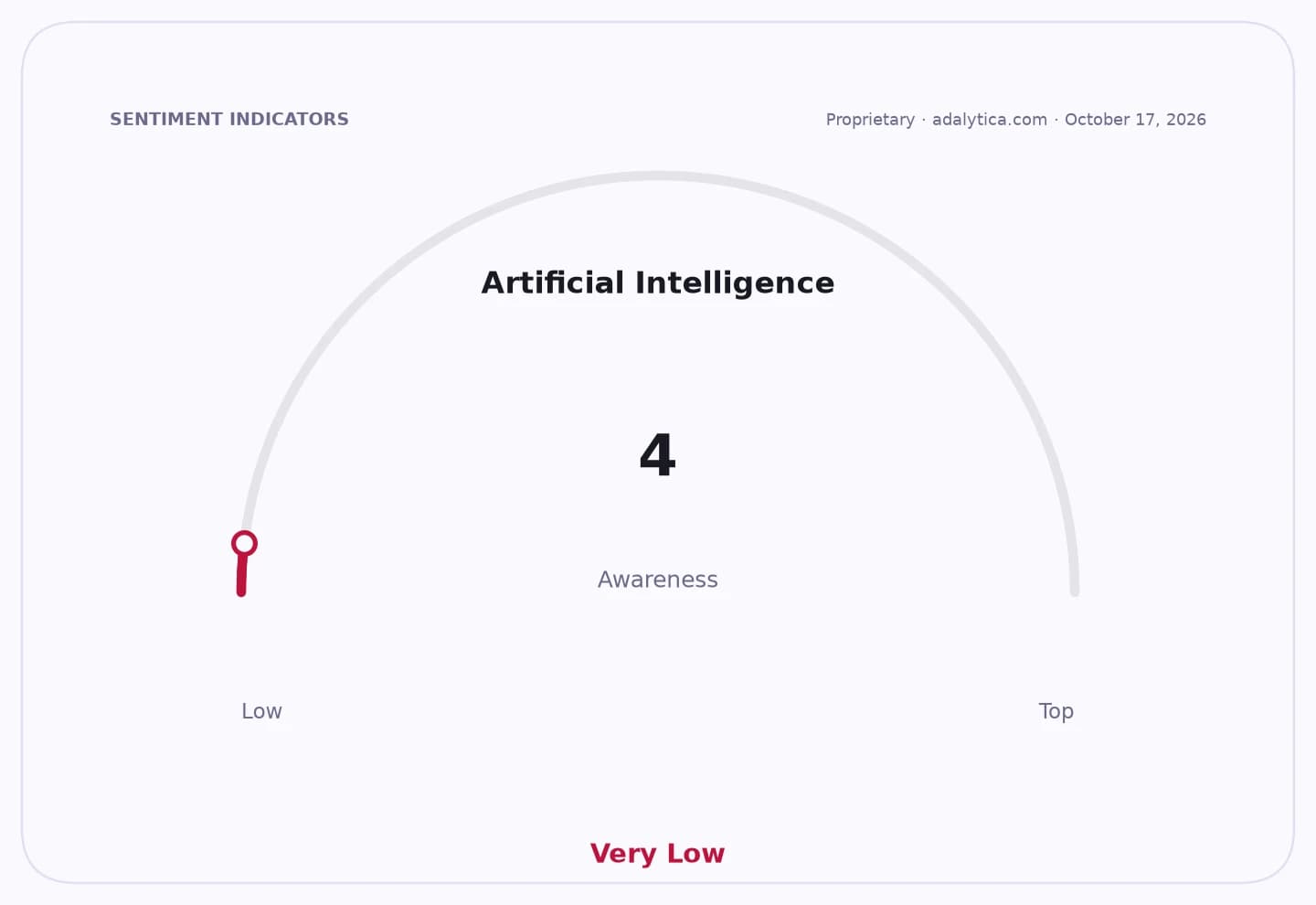
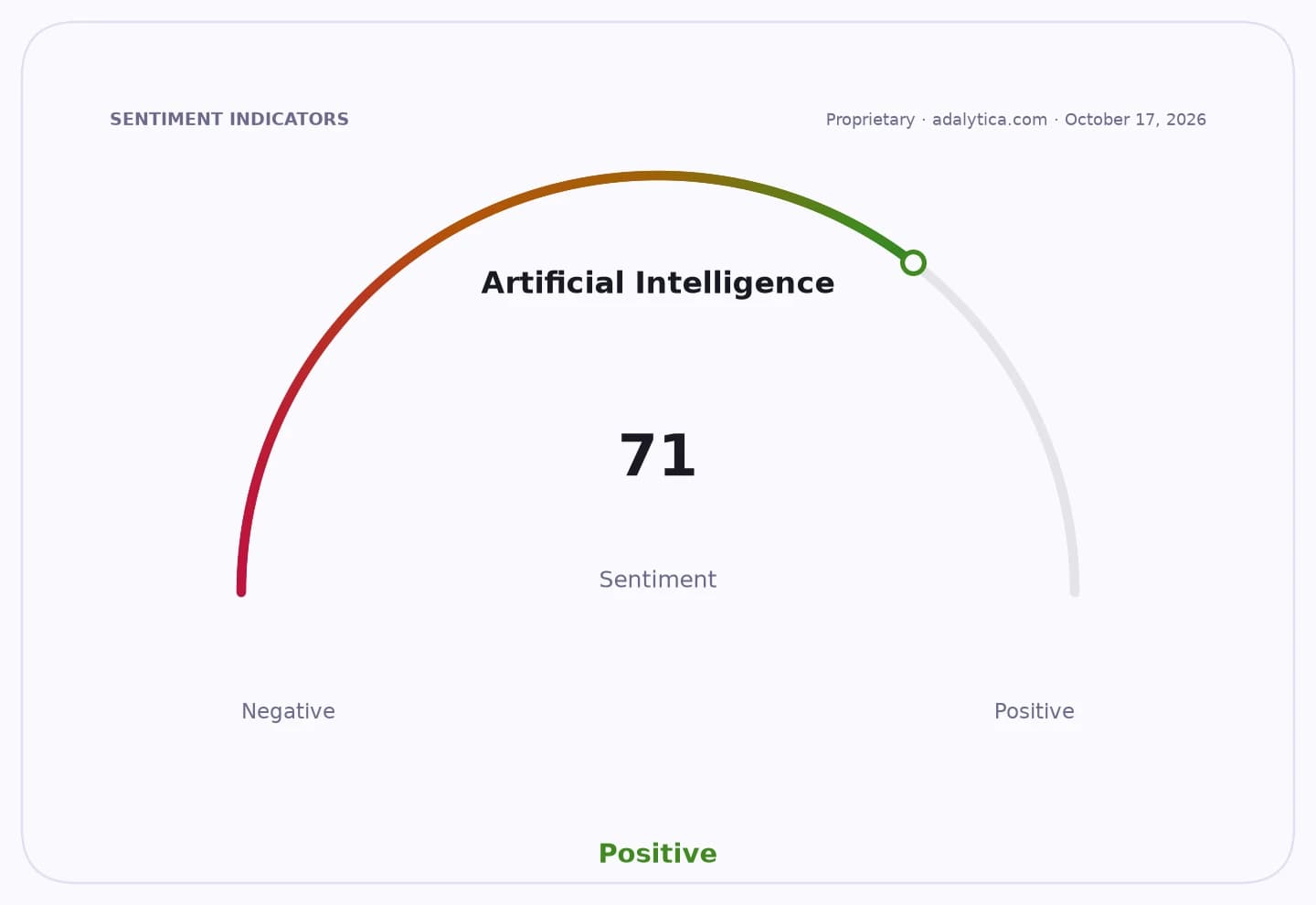
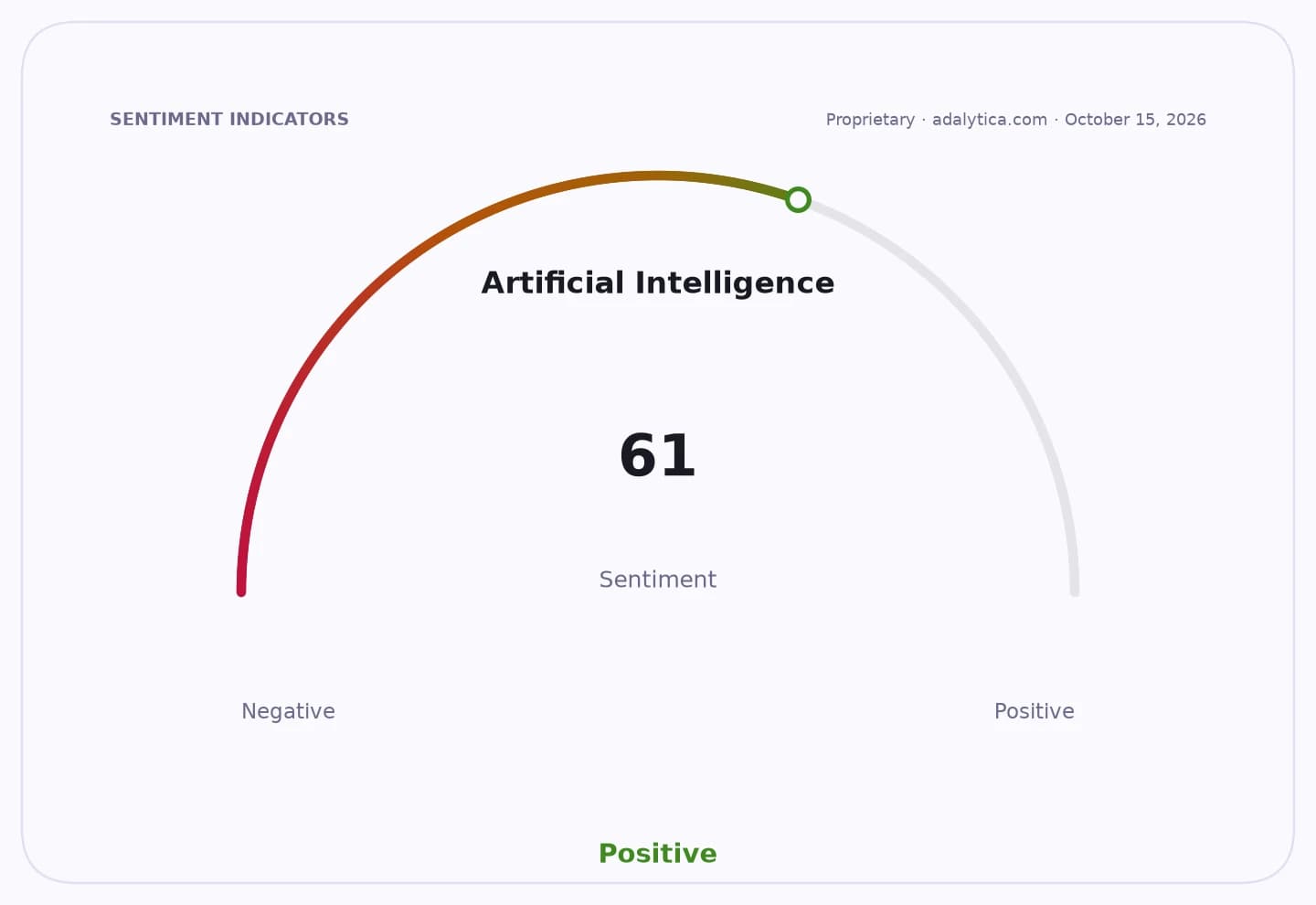
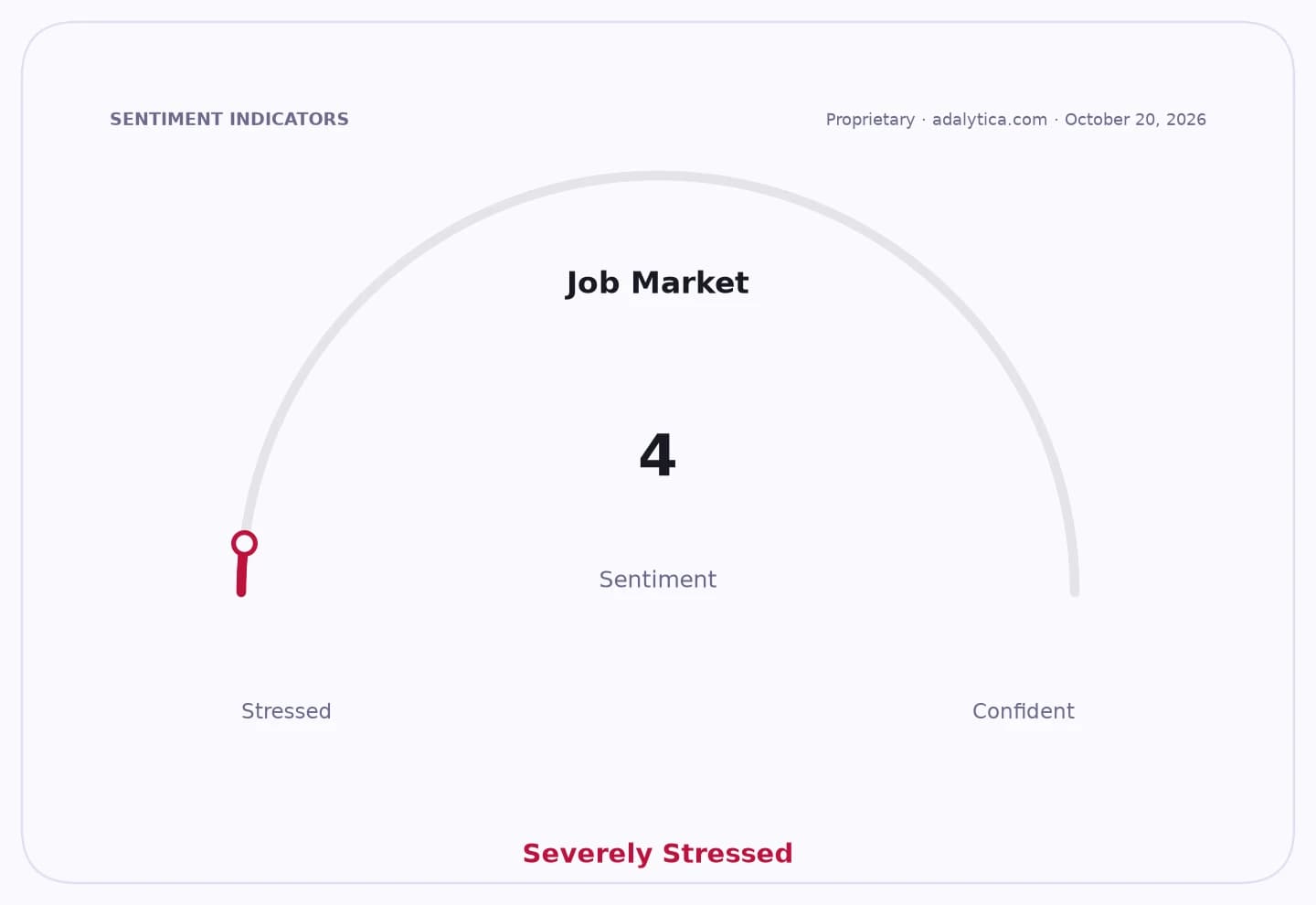
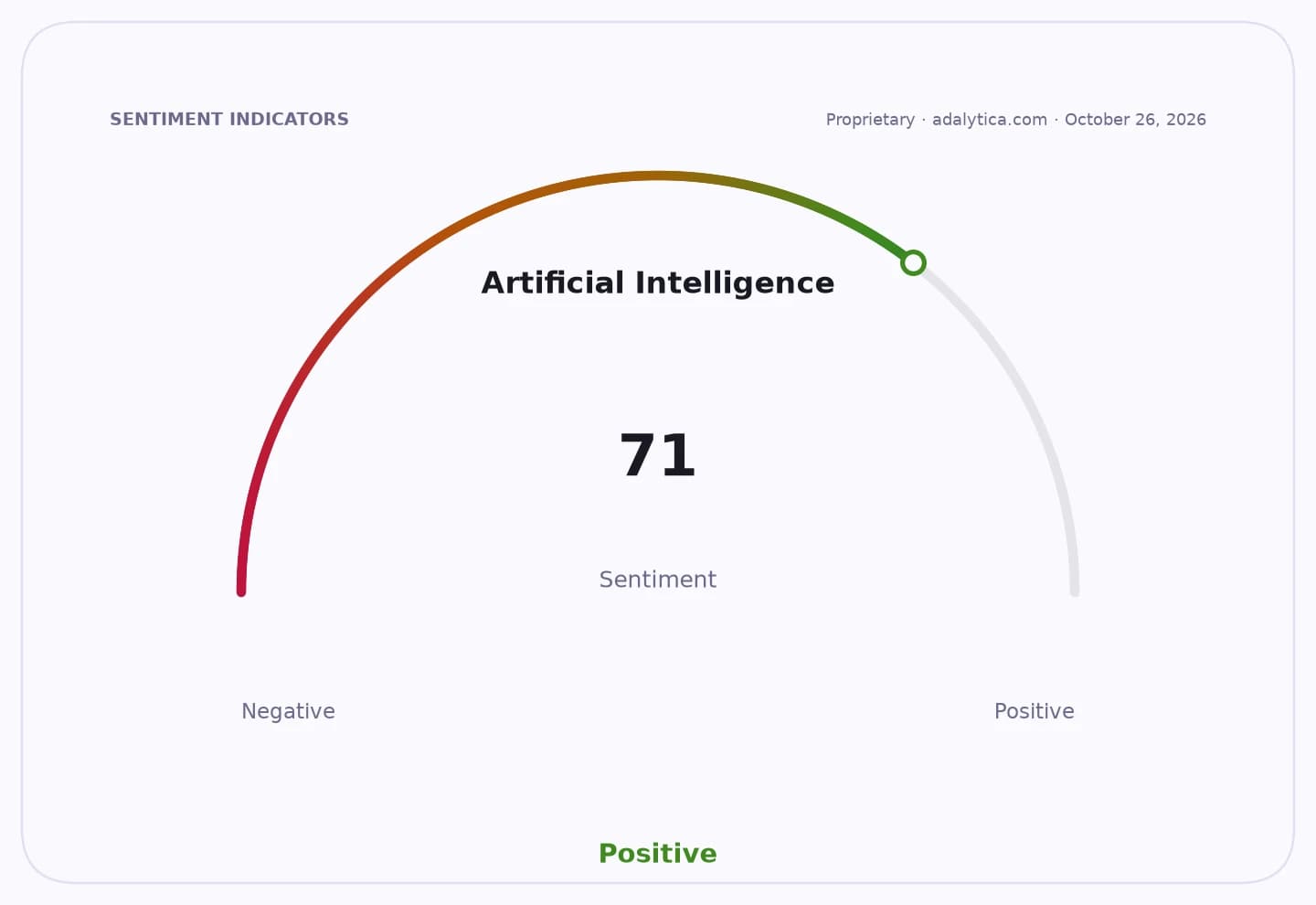
Sentiment IndicatorsⓘProprietary · adalytica.com · October 26, 2026
This is a snapshot — live sentiment, awareness and momentum for 130+ markets update continuously in the dashboard.Open AlphaPulse
MORE Workforce is operating under parent company Rio Cobre Holdings and officially launched on Oct. 19. The company says it is privately financed and is initially targeting the US and Caribbean, with plans to expand into Canada, the UK and Africa.
Gordon, the chief executive, framed the product as a way to help companies grow without forcing staff to absorb every new task. King, the chief technology officer, is leading development of the AI systems behind the platform. The founders said they also plan to build a marketplace where customers can choose digital employee capabilities as needs change.
The venture lands as businesses across sectors race to deploy AI for productivity gains, while investors reward companies that can prove commercial traction in enterprise automation. Microsoft’s shares have remained closely tied to AI demand and capital spending, while NVIDIA remains a key beneficiary of the broader buildout in AI infrastructure. At the same time, the market has been quick to punish companies that show AI spending is rising faster than near-term returns.
For investors, the story is less about a single startup than the next phase of AI commercialization: from chatbots and copilots toward front-line labor replacement or augmentation. If MORE Workforce can win customers and prove that voice-enabled digital workers can reliably handle real business processes, it could tap demand from companies looking to cut service costs and extend operating hours.
The near-term test is execution — customer acquisition, sector-specific use cases and whether the company can turn a broad AI narrative into recurring revenue. Its expansion plans into multiple regions will also depend on how quickly businesses adopt AI staff and how well regulators and customers accept them.
| Entity | Gains | Losses |
|---|---|---|
| MORE Workforce | ▲Early mover visibility | ▼Execution risk |
| Businesses adopting AI employees | ▲Lower labor costs | ▼Higher vendor dependence |
| Human customer-service staff | ▲Less repetitive work | ▼Job displacement pressure |
| AI infrastructure suppliers | ▲More enterprise demand | ▼None immediately |