AI is moving from promise to public service in Galicia, where teachers will be allowed to use the technology to correct multiple-choice exams, build lesson materials and help students through chatbots, while hospitals begin folding it into day-to-day care.
Galicia AI Use Expands in Schools and Hospitals
The practical significance is bigger than a regional education reform. Galicia is normalizing AI inside two of the most politically sensitive public systems — schools and healthcare — without a parallel debate on liability, oversight, privacy or workforce disruption. That creates a policy gap that matters economically because these are labor-intensive services with chronic budget pressure, and AI’s attraction is simple: it can reduce time spent on routine tasks and stretch scarce staff. The risk is equally clear: once public institutions rely on automated tools, mistakes, bias and data handling failures stop being theoretical and become public-sector costs.
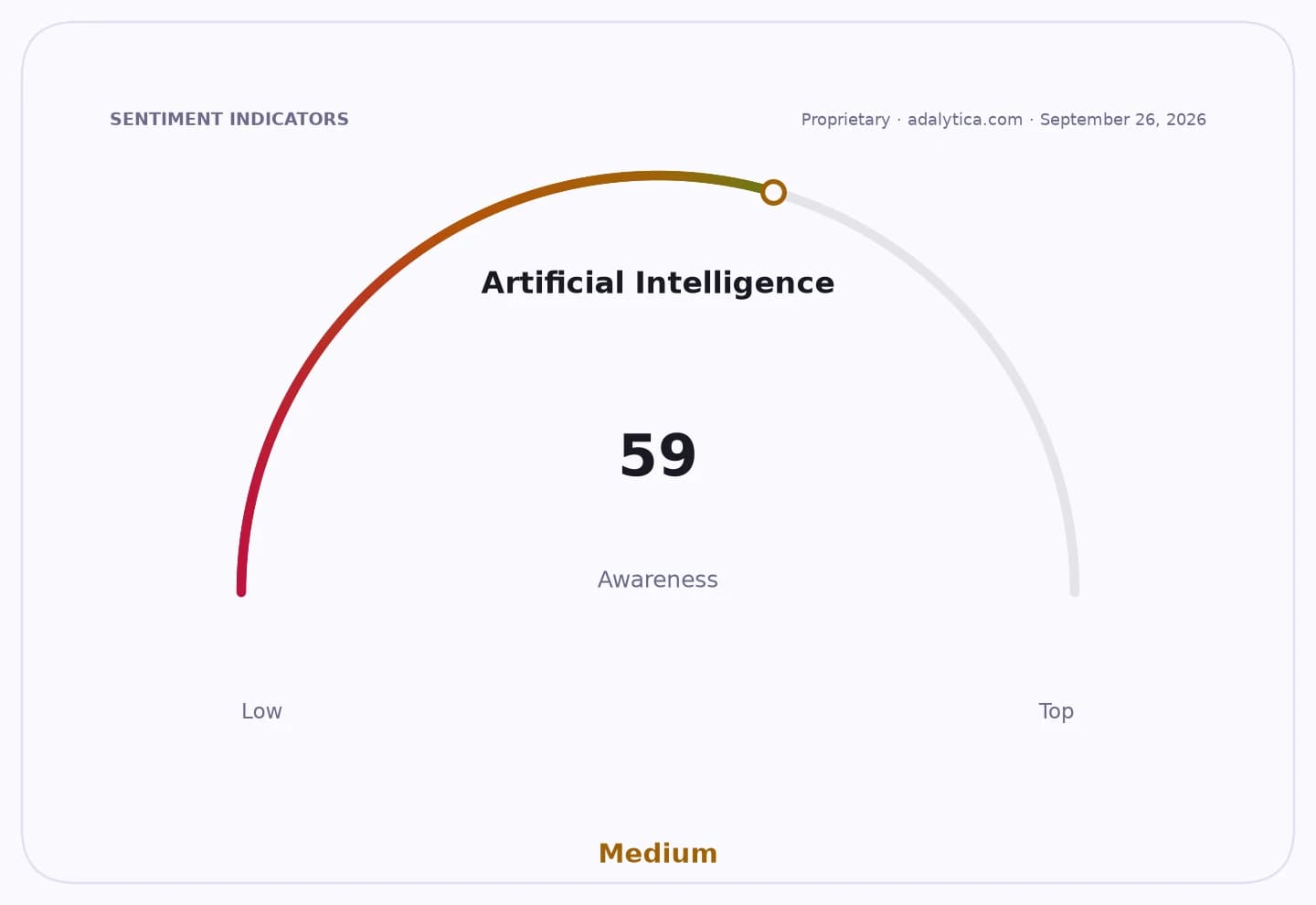
Sentiment IndicatorsⓘProprietary · adalytica.com · September 26, 2026
This is a snapshot — live sentiment, awareness and momentum for 130+ markets update continuously in the dashboard.Open AlphaPulse
For teachers, the change is immediate. AI-assisted grading of test-style exams could lower administrative load, while chatbot support may extend access to academic help beyond school hours. In hospitals, the technology promises faster triage, better documentation and support for clinicians under strain. For a region like Galicia, where aging demographics and public-sector staffing constraints are long-term realities, the appeal is operational efficiency rather than technological novelty.
Investors should read the story as part of a broader European pattern: adoption is accelerating faster than regulation and political debate. That is relevant not only to public technology vendors, but also to larger platforms that stand to supply the models, cloud capacity and integration layers behind these deployments. Microsoft, Alphabet and Amazon have all warned in filings that AI use can create legal, privacy and regulatory exposure, especially in Europe, where the EU AI Act is already shaping costs and compliance obligations. The opportunity is large, but so is the burden of proving that AI improves service delivery without creating hidden liabilities.
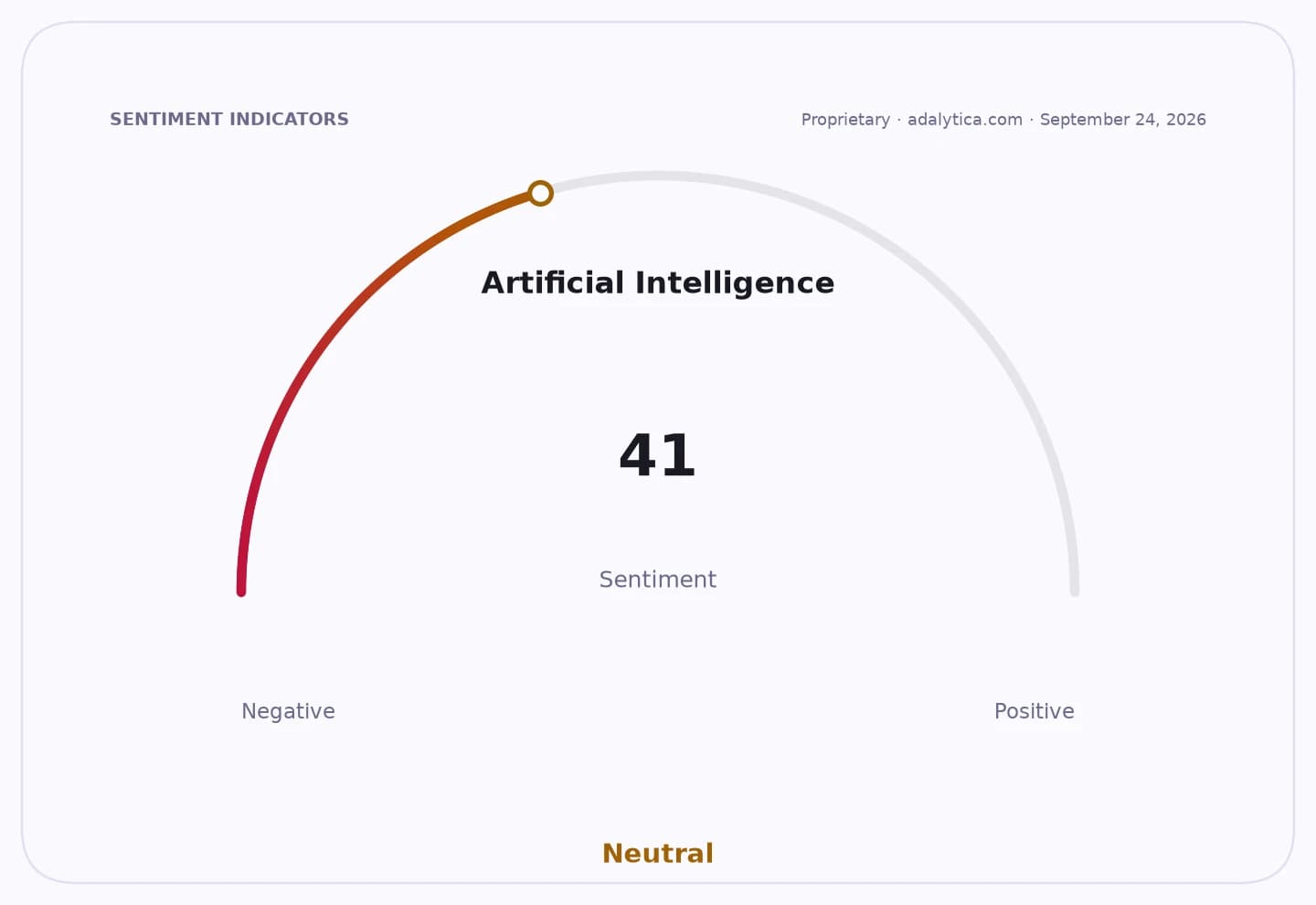
Market-wise, the backdrop remains constructive for AI adoption even as sentiment varies. Microsoft shares have been trading near record territory, with the stock closing at $516.17 in the latest data, above both its 50-day and 200-day moving averages, while Alphabet has also stabilized around $343.92. Amazon, by contrast, has been softer at $249.67 and below its 50-day average, underscoring that investors are still discriminating between companies that can monetize AI quickly and those still proving return on capital. The broader AI sentiment gauge from Adalytica is neutral, but the policy and adoption trend points to continued demand for infrastructure, software and workflow tools.
The politics, however, are telling. The Galician debate emphasizes sovereignty and implementation while largely avoiding the question of what happens when AI becomes embedded in public institutions. That omission matters because the economics of AI in government depend not just on efficiency gains, but on who carries the downside when systems err. If the rollout works, it could become a template for other regional governments looking to cut costs and cope with staffing shortages. If it fails, the backlash will likely sharpen calls for stricter guardrails, especially around student data, medical records and automated decision-making.
For investors, the key takeaway is that AI demand is no longer confined to Big Tech’s balance sheets or corporate productivity pitches. It is seeping into public services, where procurement is slower, scrutiny is higher and reputational damage can be immediate. That widens the addressable market for vendors, but it also increases regulatory friction and makes execution and compliance as important as model quality.
| Entity | Gains | Losses |
|---|---|---|
| Galicia schools | ▲Less admin work | ▼More oversight risk |
| Hospitals and patients | ▲Faster workflows | ▼Data/privacy exposure |
| Microsoft, Alphabet, Amazon | ▲More AI demand | ▼Higher compliance costs |
| Teachers and public staff | ▲Productivity tools | ▼Greater accountability |