Amazon keeps showing up at a Baltimore home for the same reason it keeps winning with shoppers: the company’s logistics machine is so large and so embedded that small consumer problems can become big reminders of its scale.
Amazon Delivery Reach and Investor Takeaway

That is the real investing takeaway from a local consumer mystery in which a Baltimore man says Amazon packages he never ordered have been arriving for nearly two years. The issue is frustrating for the homeowner, but for investors it highlights something more important: Amazon’s delivery network and marketplace reach are now central to how goods move through U.S. households. When a company is that deeply woven into everyday commerce, even oddball complaints become evidence of the moat it has built.
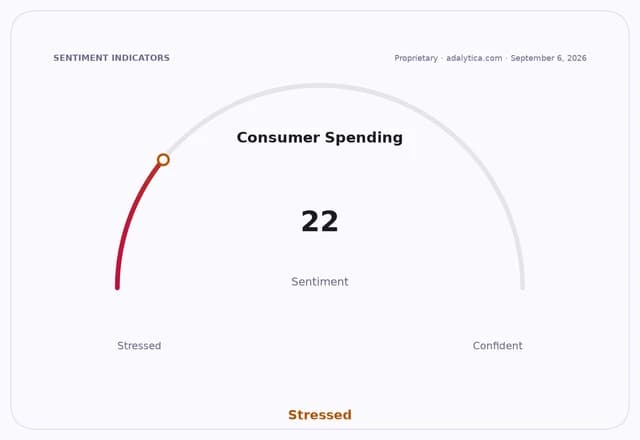
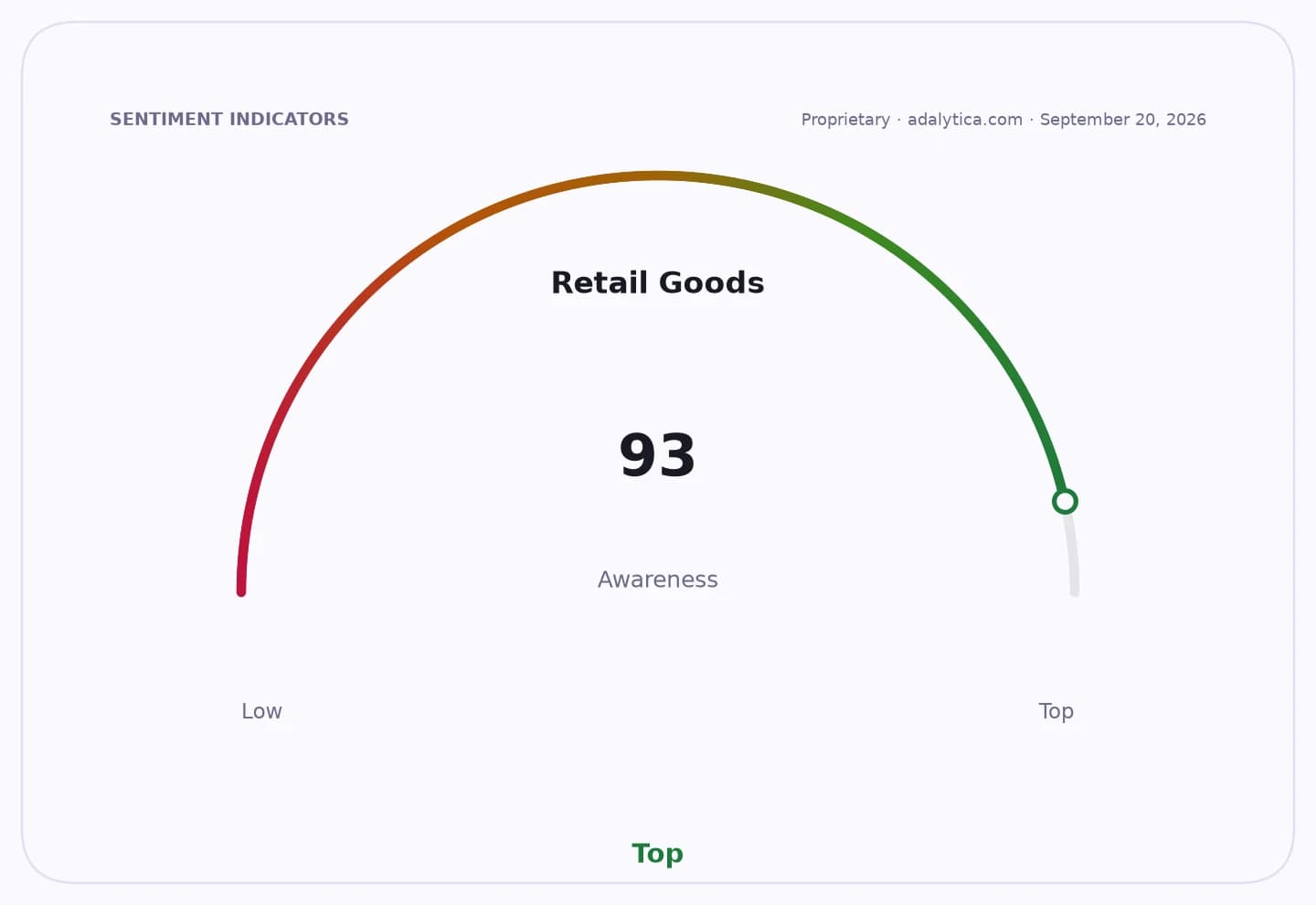
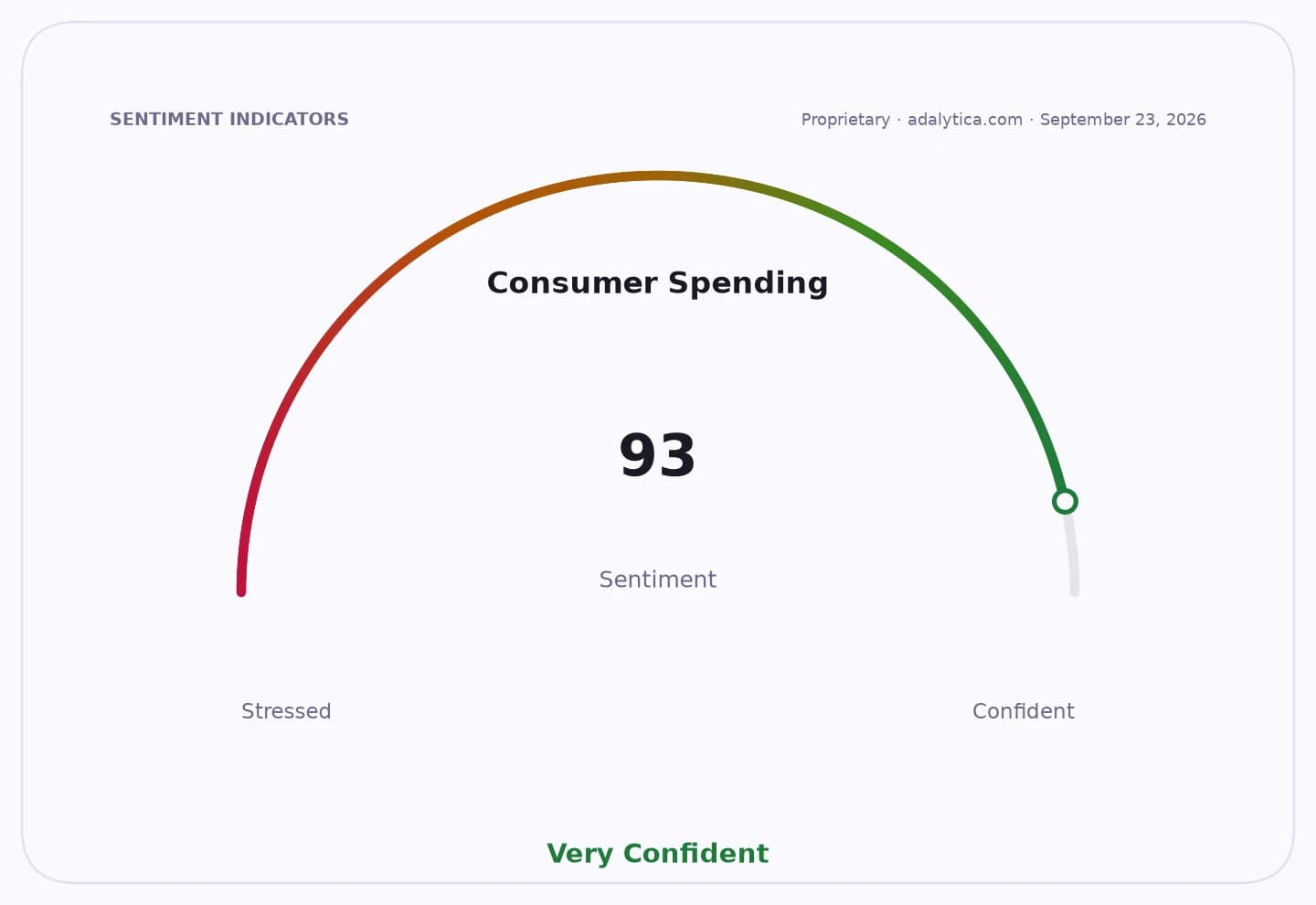
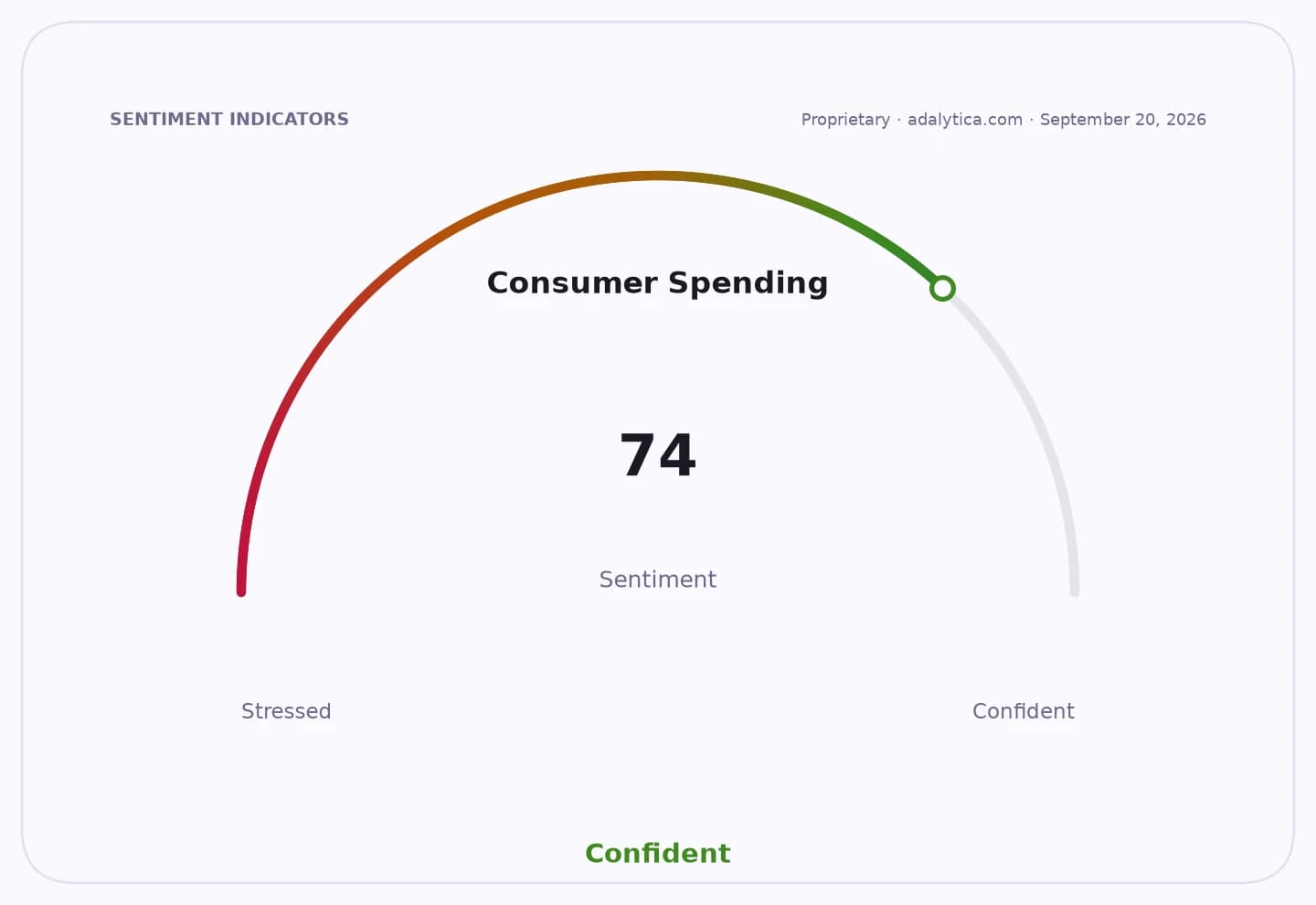
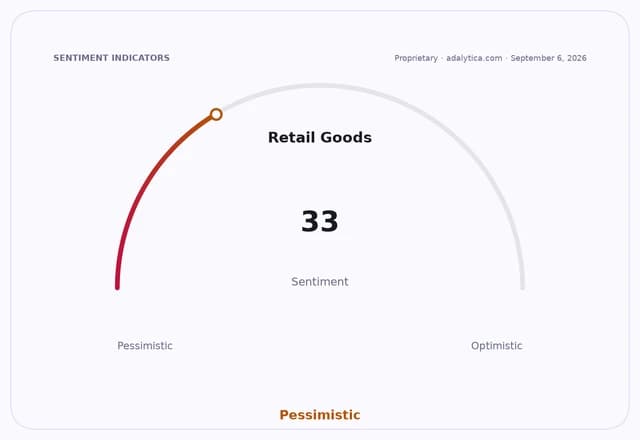
The broader consumer backdrop is not exactly cheerful. Adalytica’s Consumer Spending Sentiment gauge sits at 22, in “Fear,” while retail goods spending sentiment is only 33, still neutral but weak. That fits a household economy where consumers are staying cautious, value matters, and every delivery error or billing headache can feel more consequential. For Amazon, the challenge is to keep growing while preserving trust — because trust is the lubricant of e-commerce, and trust is hard to earn back once lost.
Amazon investors should also pay attention to the stock itself. Shares have rebounded sharply from earlier pressure and were recently around $258, above both the 50-day and 200-day moving averages, with momentum indicators like RSI and MACD pointing to a stock that has recovered but is no longer cheap in the short term. That does not change the long-term case. What matters over three to 10 years is whether Amazon keeps turning scale into free cash flow, whether Prime remains indispensable, and whether logistics, advertising and cloud can keep compounding faster than the broader economy.
Consumer Spending vs AMZNadalytica.com
Explore this data interactively — full history, time series and cross-market comparisons.Open AlphaPulse
The company’s latest filings also reinforce that this is still a business built on heavy fulfillment and payment-processing costs, especially in the marketplace. That is the tradeoff investors have long accepted: Amazon spends aggressively to deliver faster, sell more, and keep customers inside its ecosystem. The payoff is resilience. The risk is that operational friction, regulatory scrutiny, or rising costs can nibble at margins if management lets growth outrun discipline.
For long-term investors, this is less a story about one misplaced package than a reminder of Amazon’s competitive position. A company that can create two years of unwanted deliveries at one home is a company with enormous logistical reach — and enormous responsibility. If you already own it, the better question is not whether Amazon can avoid every consumer complaint, but whether it can keep converting that scale into durable earnings growth. On that score, it remains a stock worth watching for patient investors.
| Entity | Gains | Losses |
|---|---|---|
| Amazon | ▲scale and customer reach | ▼consumer trust if errors persist |
| Consumers | ▲faster delivery options | ▼more account-security headaches |
| Long-term investors | ▲operating leverage if margins improve | ▼near-term margin pressure from fulfillment costs |
| Short-term traders | ▲volatility-driven opportunities | ▼momentum can fade quickly |