Amazon Sets Great Indian Festival Sale Date
Amazon has set the date for its Great Indian Festival sale, positioning the e-commerce giant to capture a share of the holiday spending wave that is expected to bring Rs 6.20 lakh crore into the market over 29 days around Diwali.
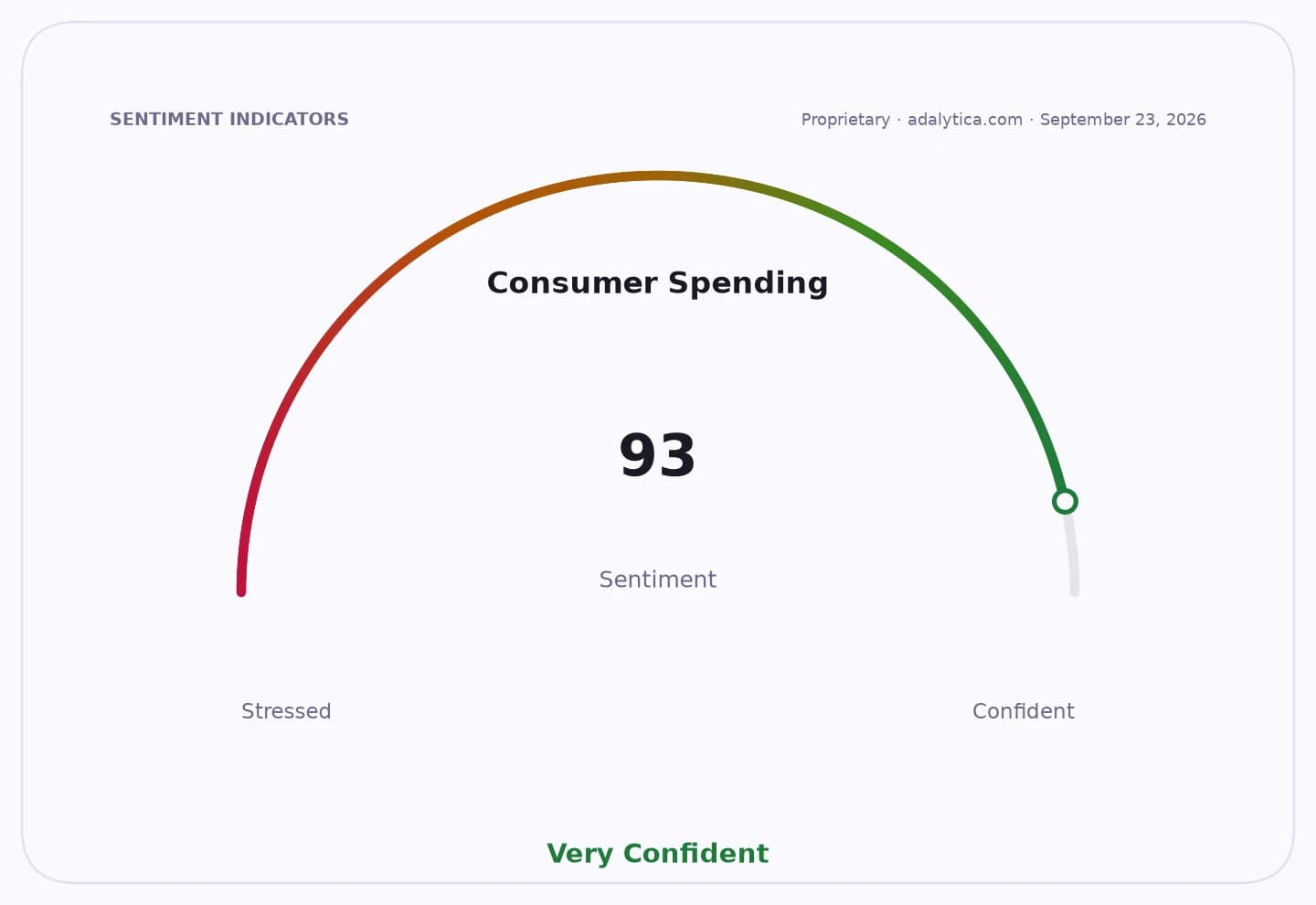
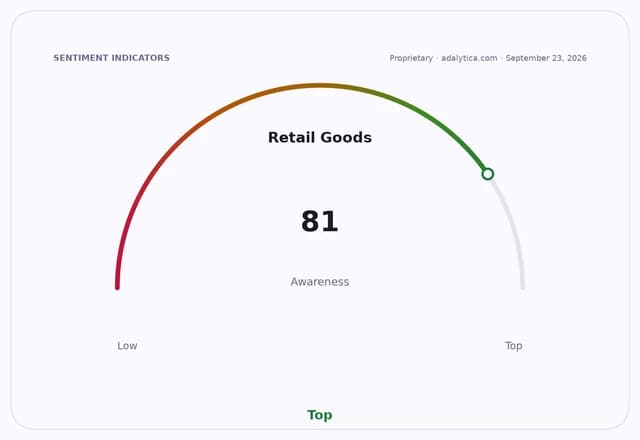
The sale timing matters because Diwali is the biggest retail event of the year in India, when consumers typically accelerate purchases of electronics, household goods and daily-use items. With consumer sentiment on spending showing extreme greed in Adalytica’s Consumer Spending Sentiment gauge and retail-goods sentiment holding at a neutral 41, Amazon is moving early to secure demand before rivals and offline chains lock in shoppers.
For Amazon, the festival sale is a key revenue catalyst in one of its fastest-growing international markets. Heavy discounting can compress margins in the near term, but it also drives traffic, seller activity and Prime engagement at a point in the year when inventory turns and festive volumes can make a material difference to quarterly performance.
The backdrop is favorable for demand even as some categories face price pressure. News around Diwali shopping suggests essentials are unlikely to see major price hikes, which should support broader household spending, while higher prices in sweets and other festival staples are likely to remain a niche issue rather than a demand killer.
Amazon shares were last around $258.45, above both the 50-day moving average of $256.10 and the 200-day moving average of $240.42, with the stock also trading near the upper end of its recent range. Technical readings show momentum has cooled from earlier overbought levels, but the setup still leaves investors focused on whether festive sales can translate into stronger order growth and better operating leverage.
The next catalyst is how aggressively Amazon discounts, how much traffic it captures versus local rivals, and whether Diwali demand converts into a stronger close to the quarter. If festive spending lands as expected, India could once again become a visible swing factor for Amazon’s international retail narrative.
| Entity | Gains | Losses |
|---|---|---|
| Amazon | ▲Festive traffic, sales volume | ▼Near-term margin pressure |
| Indian shoppers | ▲Lower sale prices, more choice | ▼Impulse overspending |
| Rival e-commerce firms | ▲Category demand lifts sector | ▼Share loss if Amazon dominates |
| Offline retailers | ▲Festival footfall if spending broadens | ▼Online share taken by Amazon |