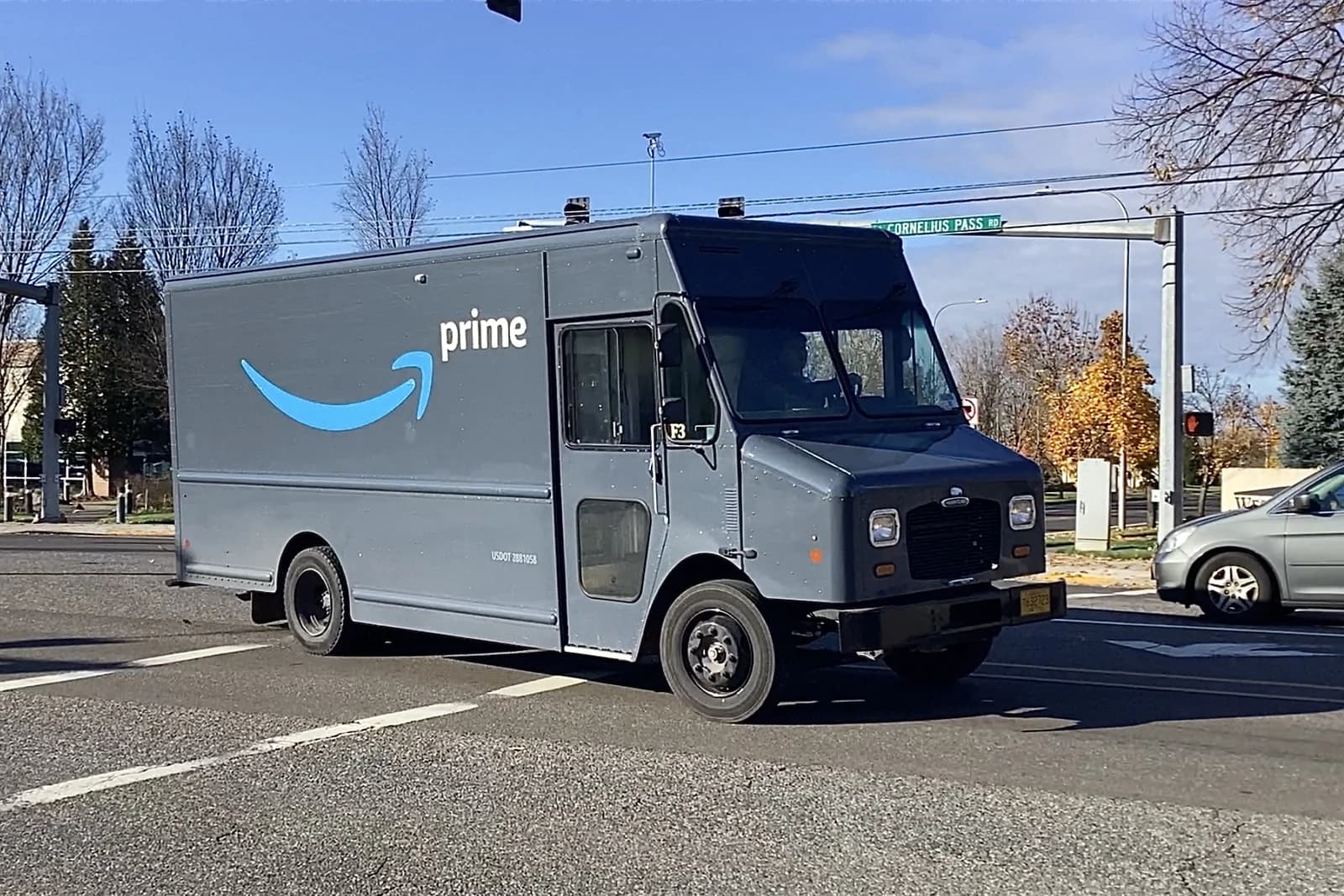
Black Friday promotions are arriving weeks ahead of schedule, underscoring how aggressively retailers are trying to lock in holiday demand before shoppers turn cautious.
Amazon, Hoka Launch Early Black Friday Discounts
Amazon, Hoka and a broad list of other merchants have already rolled out major discounts across home goods, tech, beauty and apparel, with markdowns extending from a Ninja air fryer at $140, down from $250, to a Kate Spade wristlet cut 75% and Ring’s latest battery doorbell at 60% off. The early launch matters because it shifts the holiday shopping battle into November’s first week, forcing rivals to match prices sooner and leaving less room for margin protection later in the season.
Sentiment Indicators

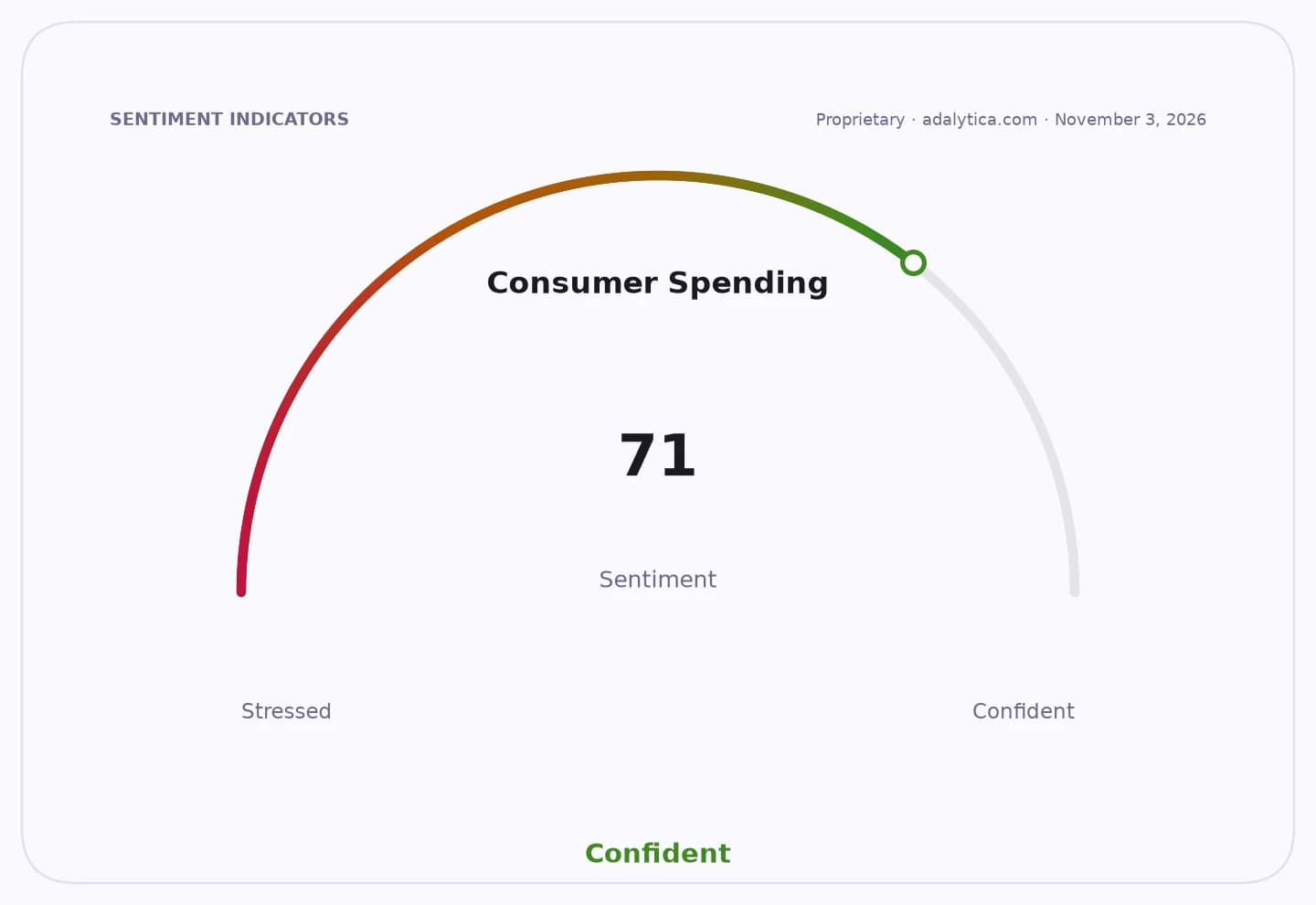
The strategy reflects a consumer environment that remains fragile even as retailers lean harder on promotions. Adalytica’s Consumer Spending Sentiment gauge is sitting at 4, or “Extreme Fear,” while its Retail Goods Spending Sentiment reads 93, or “Extreme Greed,” a divergence that suggests shoppers are still willing to hunt for bargains, but only when the discount is compelling. In that setting, retailers are using early deals to capture demand, clear inventory and reduce the risk of being stuck with unsold stock after the Cyber Monday peak.
For Amazon, the move also reinforces its role as the market’s price-setter during the holidays. The company’s shares have held near recent highs and remain above both the 50-day and 200-day moving averages, with the stock closing at $259.30 on Friday. That relative resilience suggests investors expect the holiday season to support sales volumes, even if heavy discounting weighs on near-term gross margins. The trade-off is familiar: greater traffic and marketplace share on one side, pressure on profitability on the other.
Retail Goods
Hoka’s participation is notable for a different reason. Athletic footwear is normally a category where brand strength and supply discipline keep discounts shallow. The fact that Hoka is offering up to $30 off with ample stock available suggests even premium names are leaning into the promotional calendar to defend sell-through. That should help retailers and consumers, but it can compress pricing power for brands that have relied on scarcity to maintain full-price demand.
The early push also gives a read-through to other consumer-facing stocks. Nike has been trading far below its 200-day moving average and remains under pressure near $38.59, while Best Buy has rallied sharply, closing at $99.63 and sitting well above its long-term average. That split hints at a market still sorting winners and losers in the holiday trade: names tied to discretionary spend and promotional intensity are being rewarded or punished based on whether investors see volume gains outweighing discount risk.
For investors, the key question is not whether Black Friday starts early, but whether the earlier start produces incremental demand or simply pulls forward purchases that would have happened anyway. If the latter proves true, retailers may get a short-lived lift in traffic while giving up pricing power they cannot recover in December. If the former holds, early promotions could support a stronger-than-feared holiday quarter, particularly for platforms with scale, fulfillment reach and the ability to monetize volume across categories.
| Entity | Gains | Losses |
|---|---|---|
| Amazon | ▲Higher traffic and sales volume | ▼Lower margins |
| Hoka | ▲Faster sell-through | ▼Brand pricing power |
| Shoppers | ▲Earlier deep discounts | ▼Less room for further markdowns |
| Rival retailers | ▲Benchmark on holiday pricing | ▼Pressure to match promotions |