The biggest mistake ecommerce brands make in BFCM week is waiting until Thanksgiving to do the work that decides December sales.
Amazon, Shopify, eBay on BFCM holiday setup
That’s the real message from this year’s full-funnel playbook: the winners are the retailers that build demand in early November, keep their ad accounts stable through the Black Friday-Cyber Monday rush, and then harvest the warm audience they created when shipping deadlines take over in December. For investors, that matters because it shifts the story from one noisy shopping weekend to a longer compounding cycle that can support revenue, customer acquisition and, ultimately, repeat sales.
Sentiment Indicators
The mechanics are straightforward, but the economics are powerful. If a brand lets its Meta ad sets fall back into the learning phase right before the biggest shopping week of the year, it risks paying more for less stable delivery just when competition peaks. If it waits too long to upload holiday creative or change Google Shopping targets, it gives up the chance to build an audience before every competitor floods the market with the same discounts. In other words, BFCM is not just about who has the best offer. It is about who has already filled the funnel before the sale starts.
That’s why the emphasis on early November budgeting and creative launch is so important. Meta says ad sets typically need about 50 results after a meaningful edit to exit learning, and frequent changes can send them back into it. Google, meanwhile, recommends holiday asset groups be uploaded at least two weeks in advance, and its retailer guidance suggests lowering ROAS targets ahead of peak periods if the goal is visibility rather than pure efficiency. For merchants, that means the best time to prepare for BFCM is not the week of Black Friday. It is now.
Consumer Spending vs AMZNadalytica.com
Explore this data interactively — full history, time series and cross-market comparisons.
The second piece is offer discipline. Google Merchant Center promotions, sale pricing and timing rules may sound like back-office details, but they shape whether a discount actually shows up cleanly in search and Shopping surfaces. A sale price must match the landing page, dates need the right time zone, and promotions have to be approved before they go live. For ecommerce investors, that is a reminder that execution risk still matters even in a digital business: a broken feed, a disapproved listing or a conversion-tracking glitch can mute a strong demand environment very quickly.
The broader implication is that BFCM should be viewed as a funnel event, not a one-day sales sprint. Prospecting often looks expensive during peak week because branded search and retargeting are converting most efficiently. That doesn’t mean top-of-funnel spend should be cut. It means the return arrives later, in December, when the shoppers who first discovered a brand in November come back to buy after the discount frenzy fades. The real payoff from BFCM is often delayed, and that favors businesses with strong customer acquisition engines and the patience to let them work.
That long game is especially relevant for the major ecommerce and ad-platform beneficiaries. Amazon, Shopify and eBay each sit in different parts of the commerce stack, but all of them gain when merchants have more confidence to spend, more inventory to move and more customers entering the ecosystem. Amazon benefits from retail demand and marketplace velocity. Shopify benefits when merchants push harder on paid media and retention. eBay benefits when holiday shopping activity broadens beyond the largest branded retailers and flows into resale and value channels. The common denominator is healthier transaction volume, not just a single weekend spike.
The stock tape suggests investors are already watching the setup closely. Amazon closed at $250.87 on Nov. 3, just below its 50-day moving average of $253.79 and above its 200-day average of $243.50. Shopify ended at $149.12, below its 50-day average of $152.90 but well above its 200-day average of $129.84. eBay closed at $119.89, also above both its 50-day average of $111.40 and its 200-day average of $103.84. None of that is a trading signal by itself, but it does show the market is still giving these names room to benefit if holiday commerce proves resilient.
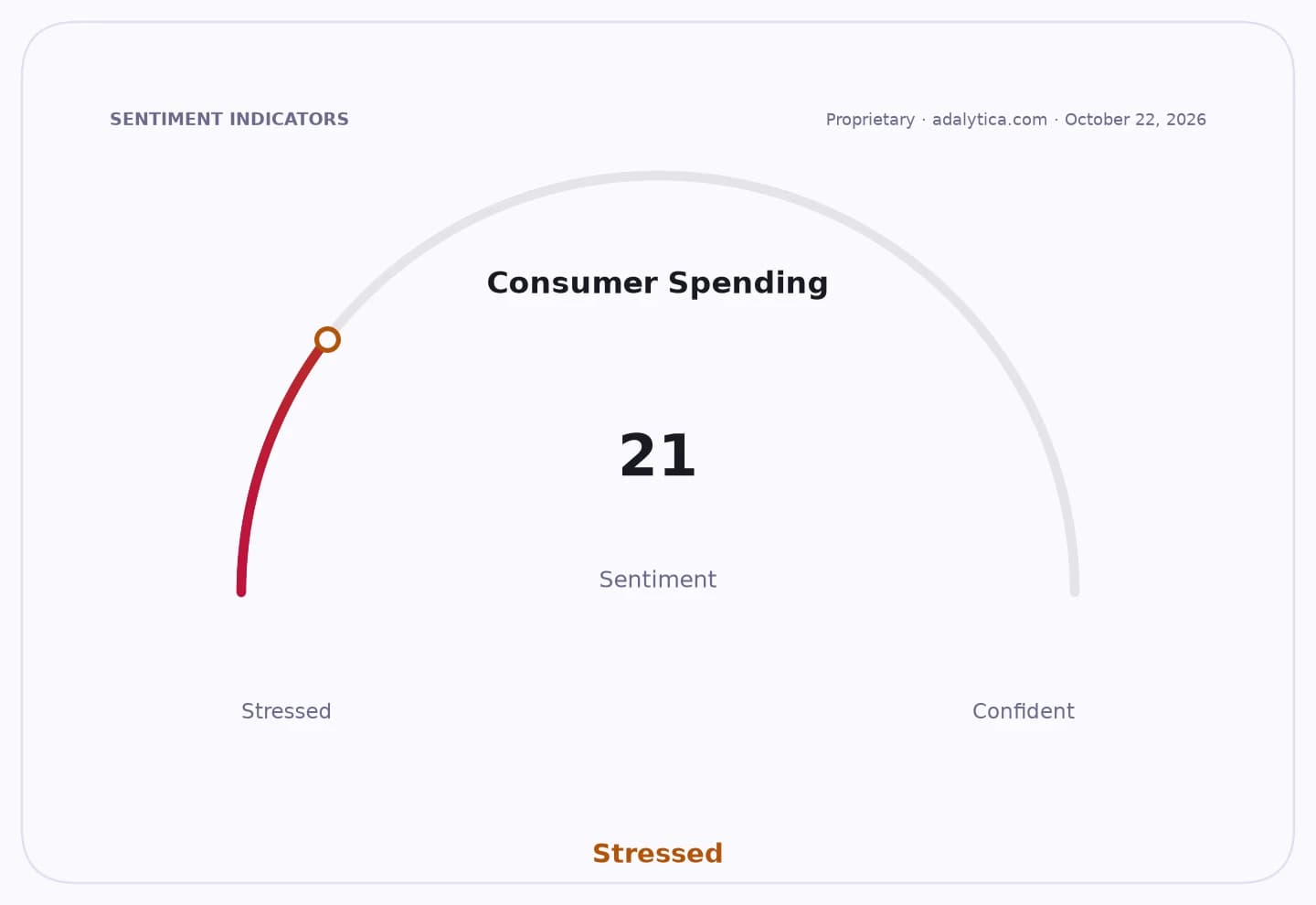
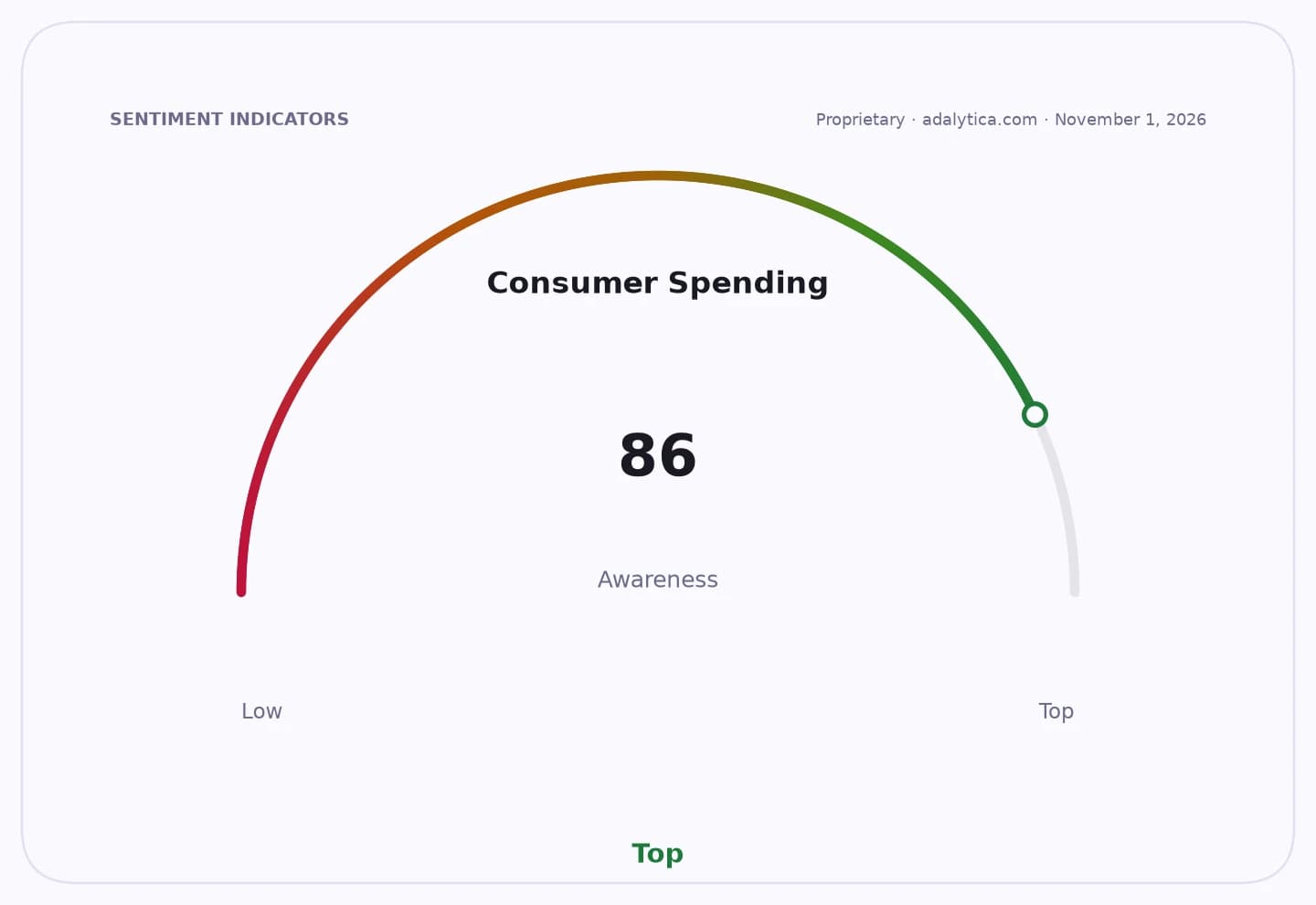
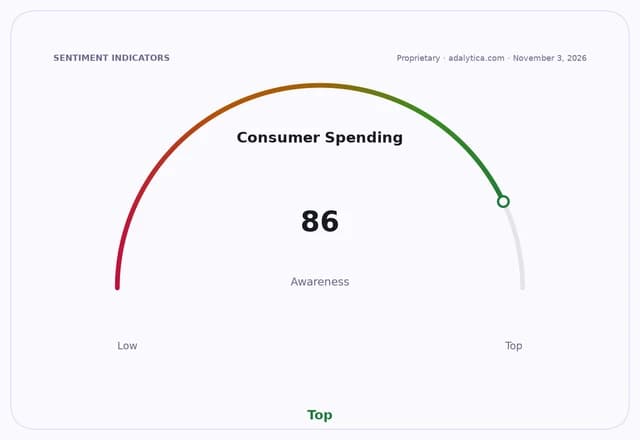
The macro backdrop is supportive too. U.S. unemployment was 4.2% in September, still low by historical standards, and consumer spending sentiment in Adalytica’s gauge sat at 71, labeled “Greed,” even after pulling back from earlier highs. Retail-goods spending sentiment was even stronger at 82, with “Extreme Greed” awareness. That doesn’t guarantee a blowout holiday season, but it does suggest consumers remain willing to spend into year-end, even if they are selective about where they shop and how much they pay.
| Entity | Gains | Losses |
|---|---|---|
| Prepared ecommerce brands | ▲Higher December conversion | ▼Last-minute ad edits |
| Amazon, Shopify, eBay | ▲More holiday transaction volume | ▼Merchants with broken execution |
| Google and Meta | ▲More ad spend and usage | ▼Campaigns reset into learning |
| Shoppers with intent | ▲Better offers and shipping urgency | ▼Impulse buyers waiting too long |