Amazon is using Labor Day discounts, Prime perks and novelty-heavy product curation to push shoppers toward impulse buys at a time when consumer spending is still being closely watched.
Amazon Labor Day Discounts Drive Impulse Buys

The retail giant’s latest merchandising push is anchored less in broad staples than in oddly specific, high-conviction products — from frog-shaped toilet bolt covers and cat-themed charging stations to drain stickers, glow tape and chandelier night lights. That may sound gimmicky, but it speaks to a real economic point: Amazon is monetizing discovery, not just convenience. In a softer discretionary backdrop, the ability to turn low-ticket, highly shareable items into volume can help support traffic, basket size and marketplace activity.
Sentiment IndicatorsⓘProprietary · adalytica.com · September 8, 2026
This is a snapshot — live sentiment, awareness and momentum for 130+ markets update continuously in the dashboard.Open AlphaPulse
That matters for investors because Amazon’s retail business has long been pressured by thin margins, freight costs and heavy competition, so any mix shift that lifts conversion without requiring deep structural price cuts is valuable. The latest promotions also coincide with discounts of up to 60% on higher-frequency electronics and smart-home products such as Fire TV Sticks and Ring Doorbells, suggesting Amazon is pairing novelty items with traffic-driving essentials. That combination is designed to keep shoppers inside its ecosystem longer, where the company can harvest better unit economics through cross-sell, advertising and fulfillment.
The stock has already reflected renewed confidence in that strategy. Amazon shares recently traded around $258, up sharply from $210.11 in February, when the relative strength index fell to 25.3 and the 50-day moving average sat well above the market price. By early September, the shares were holding above both the 50-day and 200-day moving averages, with RSI readings in the mid-40s and MACD still positive, indicating the market has recovered from an oversold stretch but is not yet in a euphoric phase. That leaves room for either another leg higher if holiday demand and AI-led shopping tools convert traffic into earnings, or a setback if promotions fail to translate into margin leverage.
Consumer Spending — 30-day sentimentadalytica.com
Explore this data interactively — full history, time series and cross-market comparisons.Open AlphaPulse
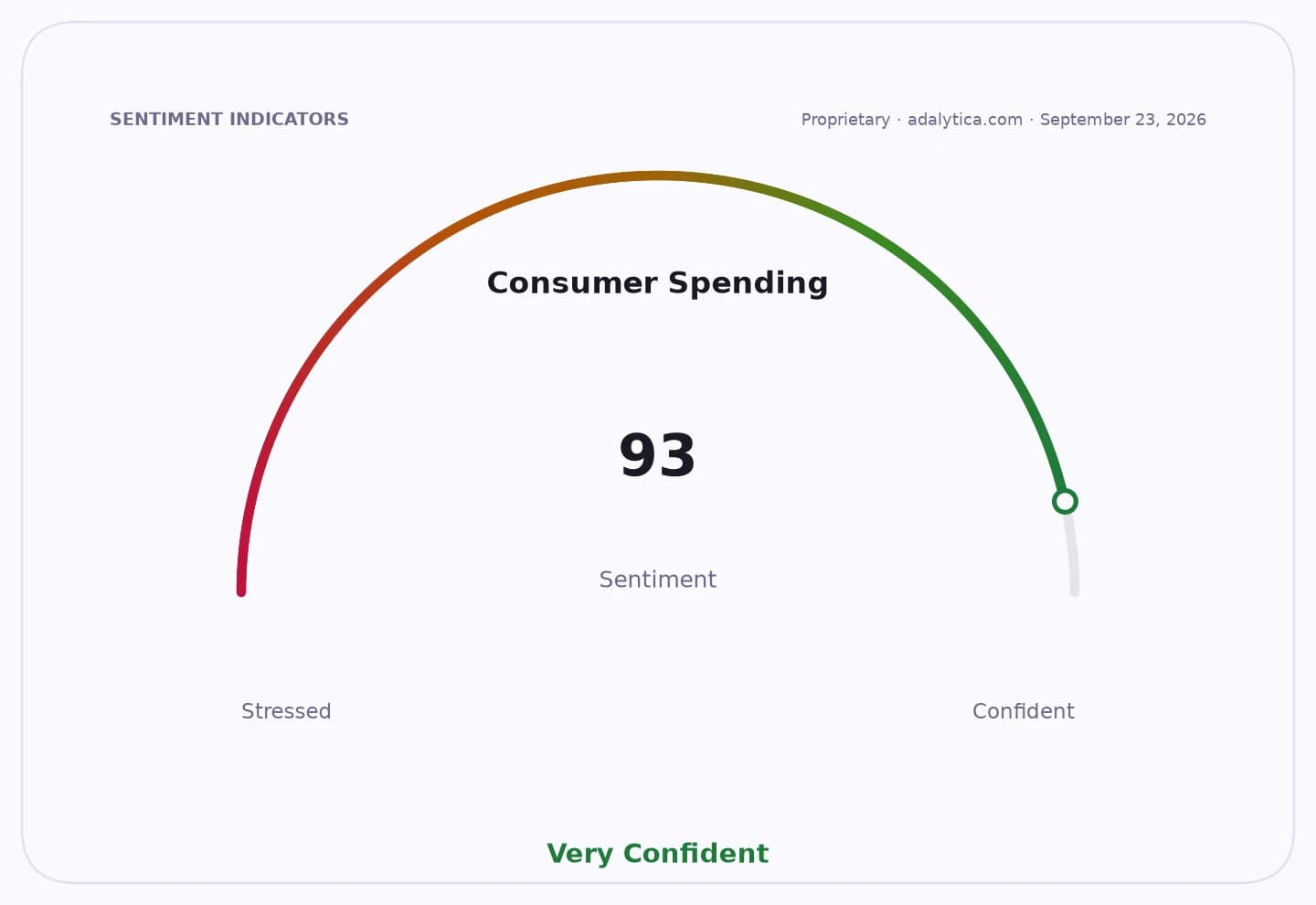
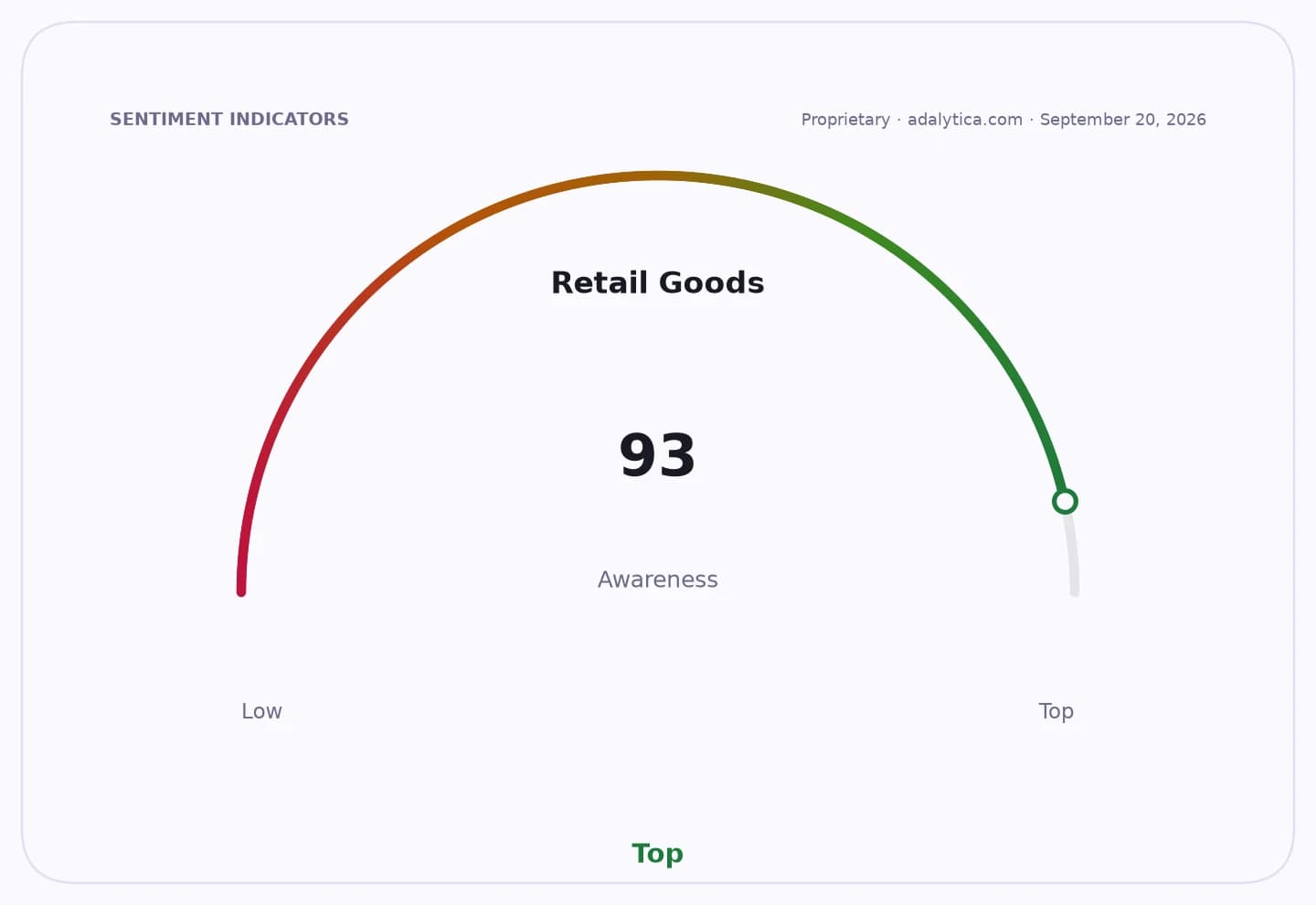
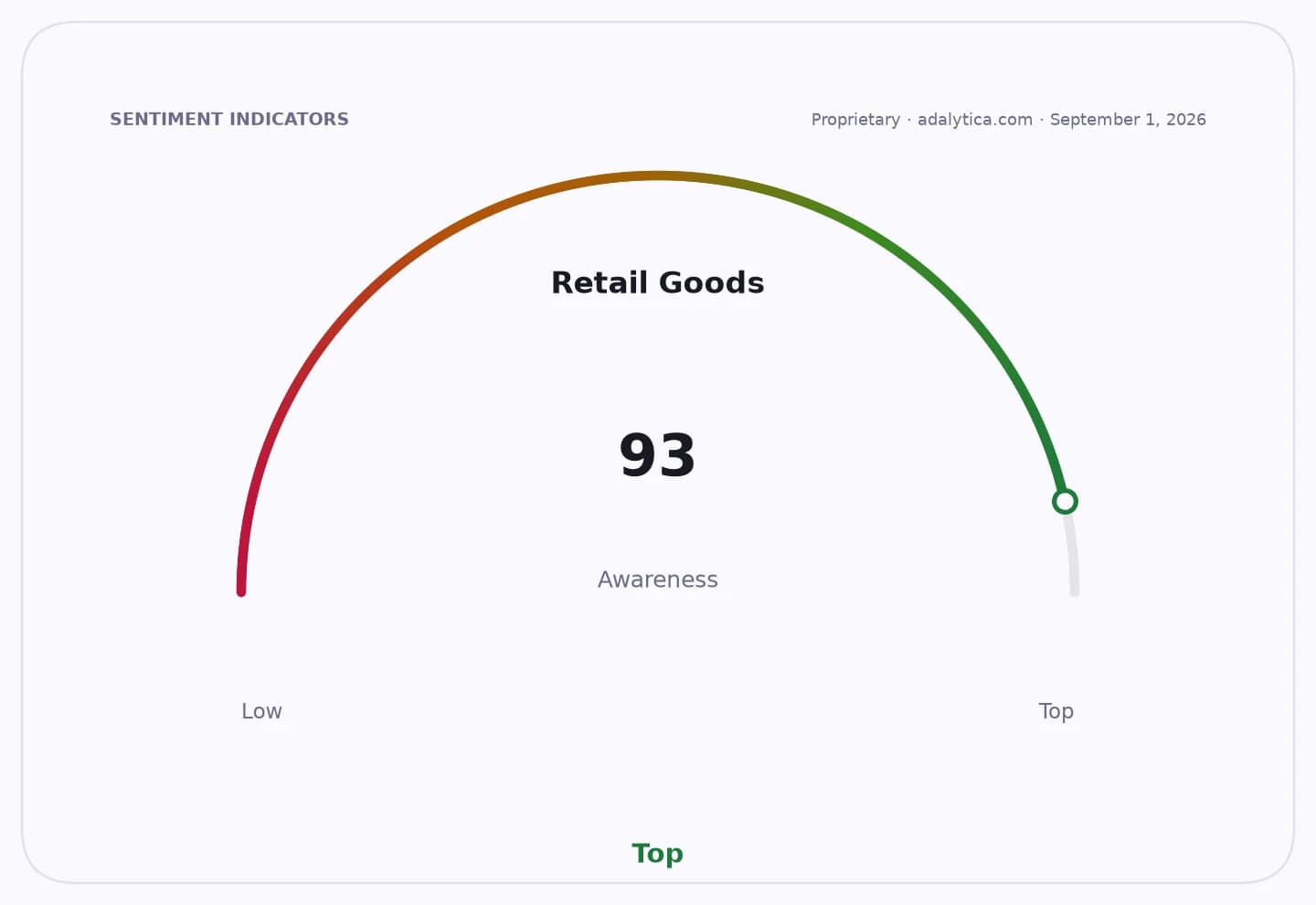
The broader backdrop is not especially forgiving. Adalytica’s consumer spending gauge sits in greed territory at 78, while its retail-goods spending sentiment is also elevated at 81, but both measures show sharp recent swings, underscoring how uncertain discretionary demand remains. Amazon’s answer has been to lean into visible value — both through headline discounts and through the kind of quirky, utilitarian products that invite browsing. If that keeps shoppers clicking, it strengthens the case that Amazon can defend share without relying solely on price cuts.
For investors, the key question is whether this is simply seasonal merchandising or evidence of a more durable playbook: using AI, recommendation algorithms and promotion density to turn Amazon into an even more efficient demand engine. If Labor Day traffic is strong, the winners are Amazon, third-party sellers and ad partners. If consumers remain cautious, the losers are margin seekers and smaller retailers competing on the same low-ticket goods.
| Entity | Gains | Losses |
|---|---|---|
| Amazon | ▲Higher traffic, more conversions | ▼Margin pressure from discounts |
| Third-party sellers | ▲More marketplace demand | ▼Greater price competition |
| Consumers | ▲Lower prices, novelty buys | ▼Risk of impulse spending |
| Rival retailers | ▲— | ▼Share loss to Amazon ecosystem |