Amazon’s trademark brown box is becoming less central to its business just as the company leans harder into ever-faster delivery, a shift that matters because it shows how one of retail’s biggest cost centers is being squeezed by the same consumer demand for instant gratification that built Amazon’s dominance.
Amazon cuts packaging while speeding delivery
The company is pushing into 30-minute delivery in some markets while also reducing packaging weight, box count and plastic use, a combination that speaks to a more mature e-commerce model: growth is no longer just about selling more goods online, but about moving them through the system with less material, less waste and, ideally, lower cost per order. That is economically important for Amazon because shipping and fulfillment remain among its largest operating burdens, and every box avoided is a small but meaningful saving when the company ships at enormous scale.
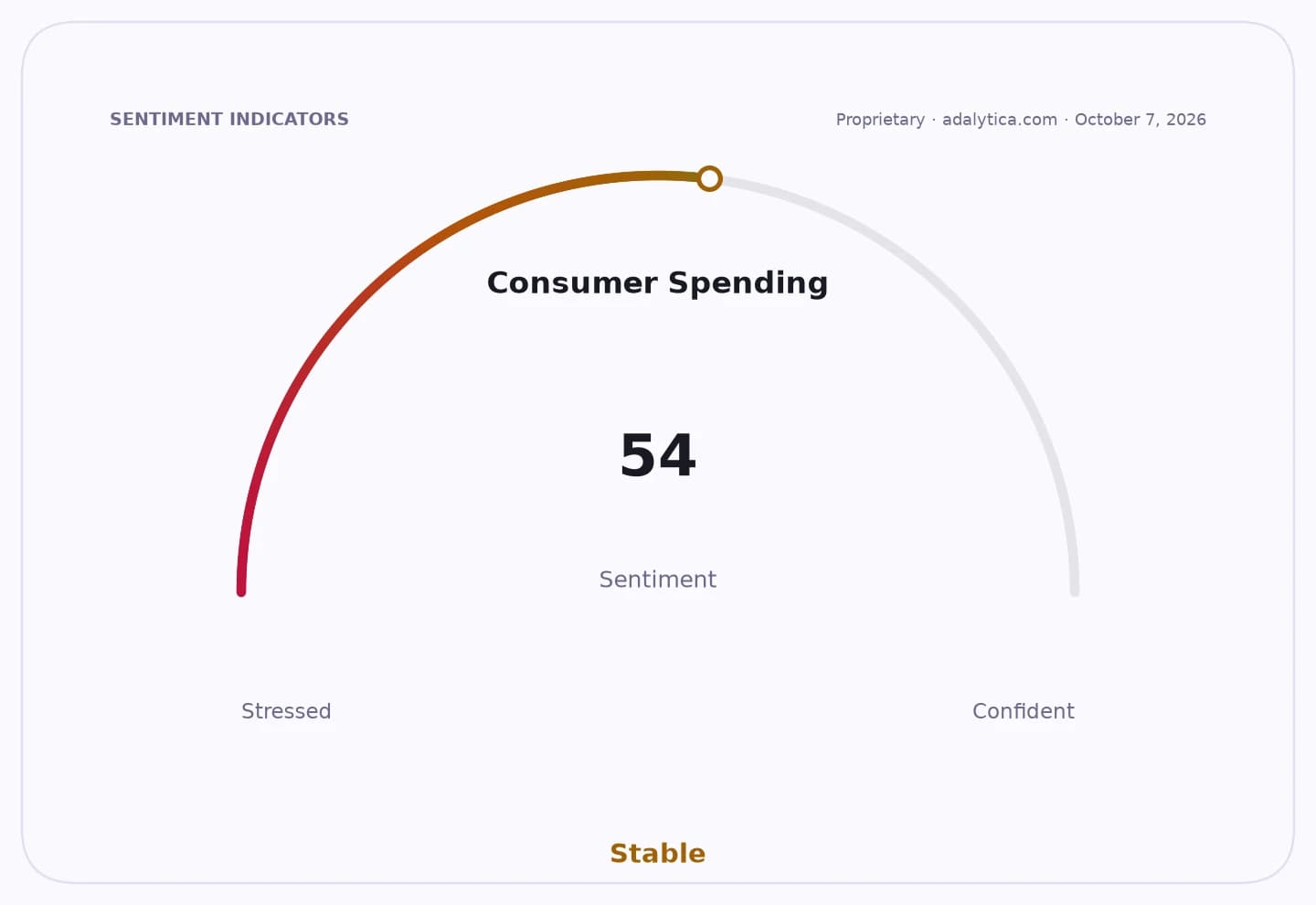
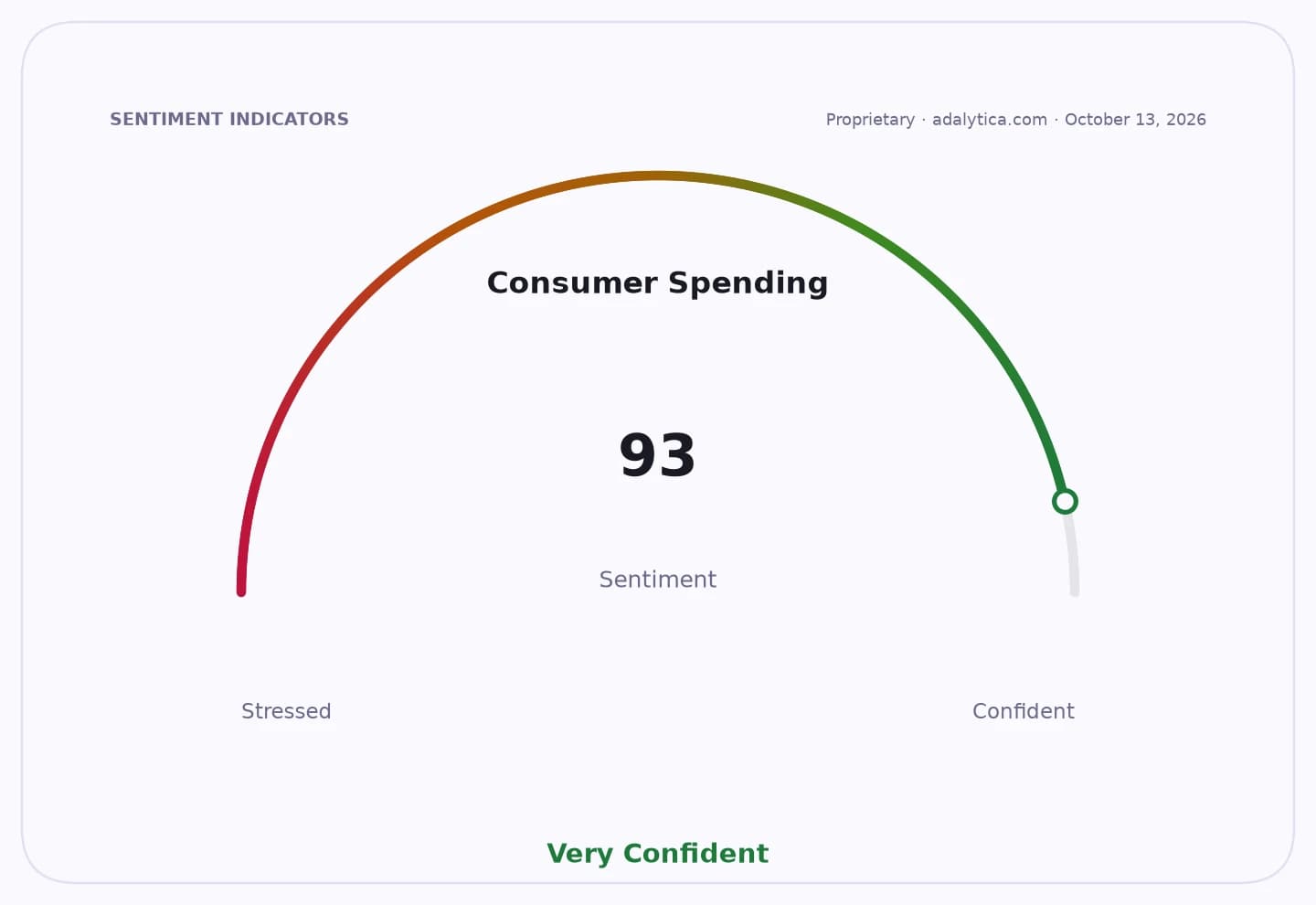
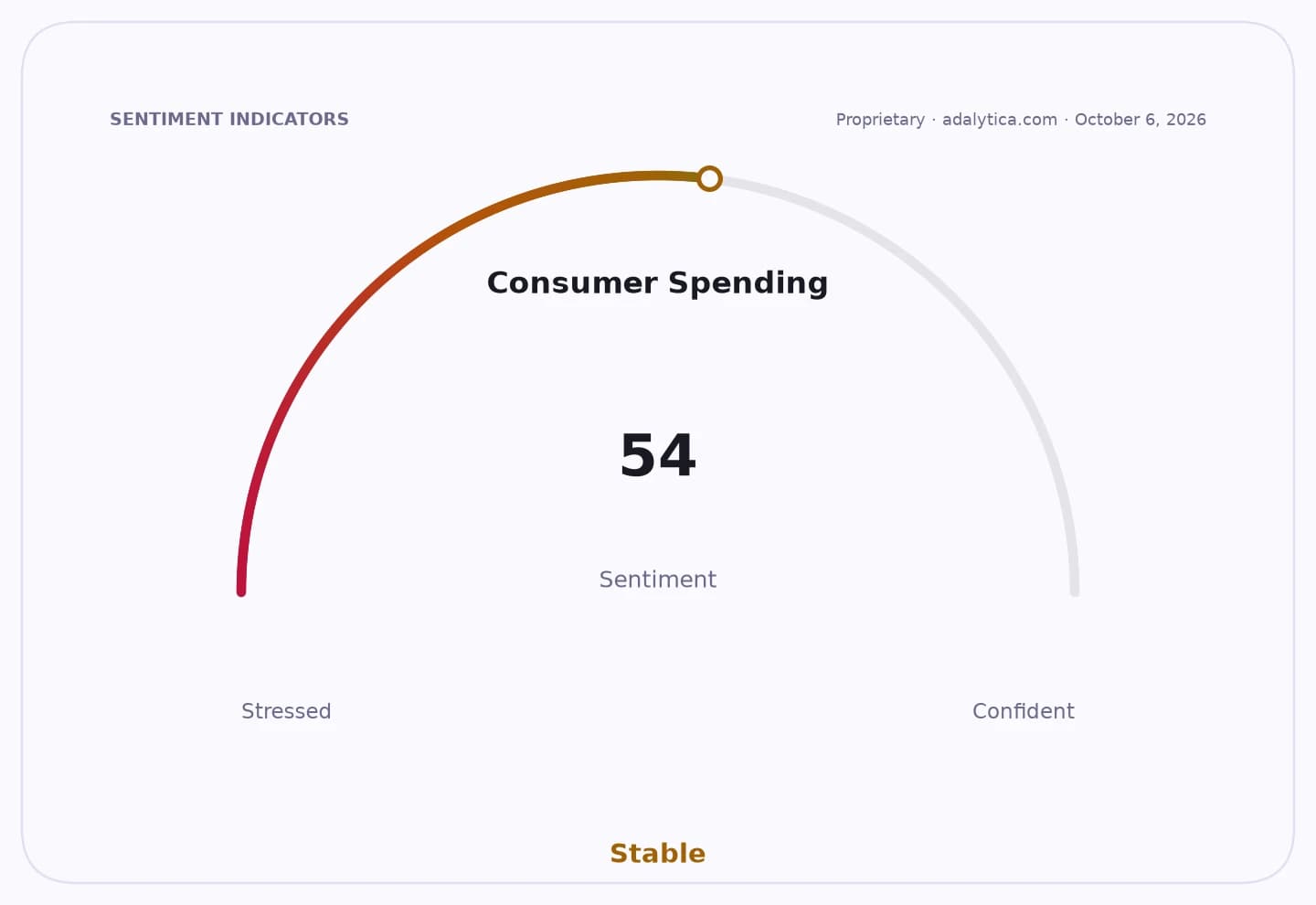
Sentiment IndicatorsⓘProprietary · adalytica.com · October 17, 2026
This is a snapshot — live sentiment, awareness and momentum for 130+ markets update continuously in the dashboard.Open AlphaPulse
Amazon says more than 300 million items across over 35 categories in the U.S. now qualify for free Prime shipping, underscoring how deeply delivery speed is embedded in the value proposition. E-commerce is expected to account for 17.4% of U.S. retail sales this year, or $1.4 trillion, according to eMarketer, with Amazon controlling about 40% of the online market versus 11.4% for Walmart. In other words, the box has become a symbol not just of convenience, but of an economic system in which logistics, not storefronts, increasingly determines market share.
The packaging changes also highlight a strategic tension for investors. Amazon is spending heavily on faster fulfillment, robotics and last-mile innovation, even as it tries to make the system more efficient. That matters because the company’s retail margin story depends on extracting productivity gains from a network that is still capital intensive. Amazon said the share of North American shipments using single-use plastic packaging fell to 27% in 2025 from 65% in 2023, while about 11% of global orders are now shipped in original manufacturer packaging without added boxes or envelopes. Last year, more than half of orders were delivered without a box at all, either in original packaging or flexible packaging.
For bulls, the trend suggests Amazon is using scale and engineering to defend its moat: faster delivery can deepen Prime loyalty, while lighter packaging can reduce costs and improve sustainability. For bears, the message is that the pursuit of speed keeps raising complexity across the fulfillment network, and that more convenience can mean more expense unless productivity keeps improving.
The broader story is that the Amazon box is no longer just cardboard. It is a proxy for the economics of modern retail, where consumer expectations, warehouse automation and delivery density all feed into profitability. If Amazon can keep shrinking the packaging while expanding speed, it strengthens the case that its logistics machine remains a source of competitive advantage rather than a drag on margins. If not, the very convenience the box represents could continue to eat into returns.
| Entity | Gains | Losses |
|---|---|---|
| Amazon | ▲Lower packaging costs | ▼Less visible brand packaging |
| Prime customers | ▲Faster, easier delivery | ▼More pressure on fulfillment labor |
| Walmart | ▲Online market share growth opportunity | ▼Amazon’s delivery lead |
| UPS and other carriers | ▲Higher parcel volumes | ▼Margin pressure from faster, denser delivery |