Amazon is planning a more than tenfold expansion of its same-day delivery network by 2031, a move that could sharpen its fight with Walmart for the lucrative market in everyday grocery and household purchases.
Amazon plans same-day delivery expansion by 2031
Internal planning documents reviewed by Business Insider describe “Project Mercury” as a transformational effort to rebuild Amazon’s same-day fulfillment system around proximity, with more than 1,000 same-day fulfillment centers versus about 85 now. The strategy would put billions of dollars into a denser logistics footprint designed to bring inventory closer to Prime members and cut delivery times on fast-moving items such as fresh food, paper towels and cough medicine.
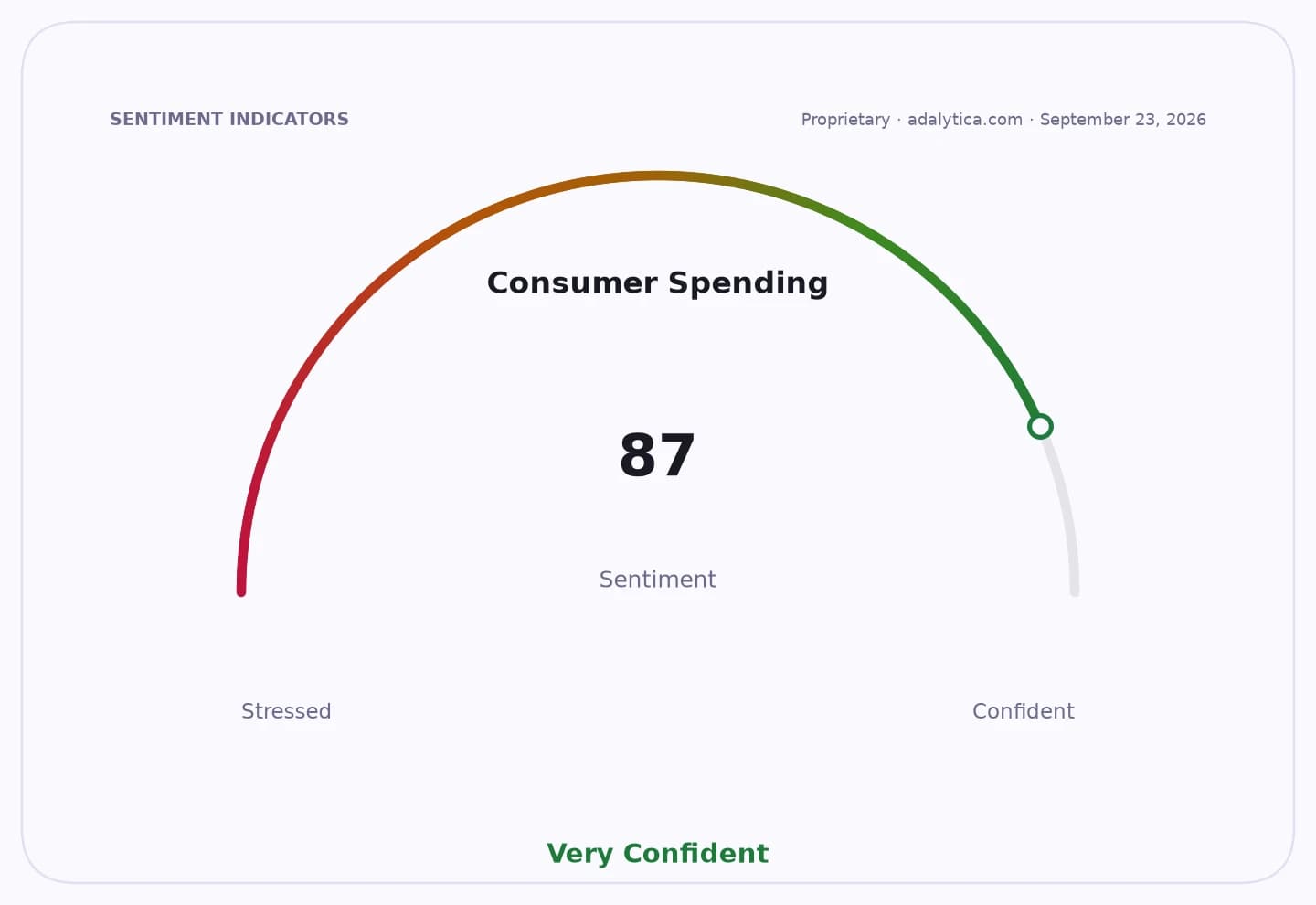
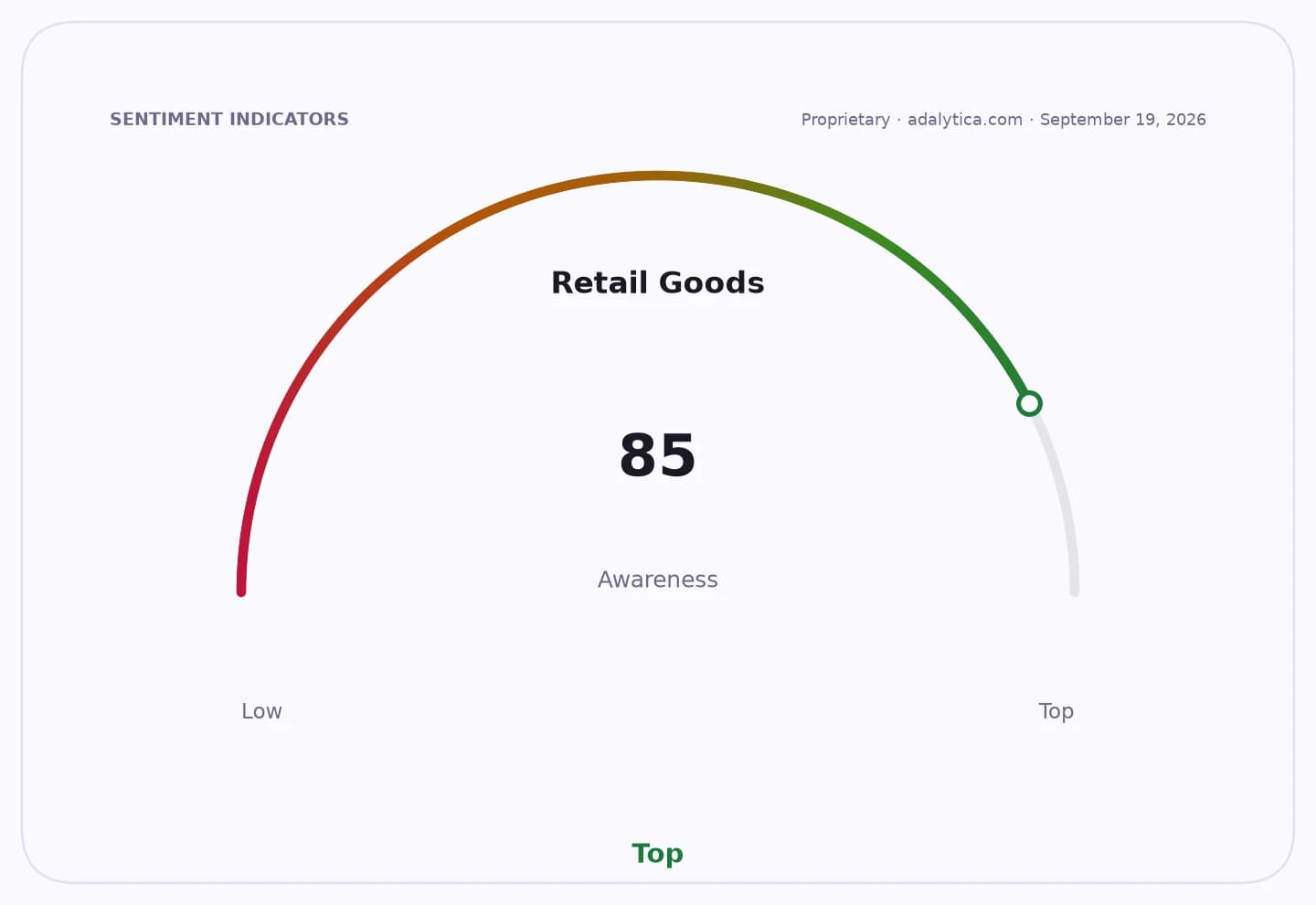
Sentiment IndicatorsⓘProprietary · adalytica.com · September 18, 2026
This is a snapshot — live sentiment, awareness and momentum for 130+ markets update continuously in the dashboard.Open AlphaPulse
The economics matter because Walmart’s biggest advantage in the contest for frequent, repeat purchases has long been its store network. About 90% of Americans live within 10 miles of a Walmart or Sam’s Club, giving it thousands of local fulfillment points, while Walmart says 95% of U.S. households can now get orders in under three hours. Amazon is trying to narrow that gap by building specialized same-day sites that would stock roughly 90,000 of its most popular products and target delivery windows of five hours or less.
Amazon said the internal forecasts are preliminary and not final, but the scale of the plan shows how central speed has become to the company’s retail strategy. The company already reaches more than 10,000 cities and towns, and it is also testing parallel initiatives, including larger store-like facilities under Project Kobe, all-day delivery windows, rapid delivery for essentials under Amazon Now and drone launches through Prime Air.
For investors, the plan points to a long, capital-intensive campaign that could lift order frequency and wallet share if Amazon can make fast delivery a habit. Amazon’s internal finance review pegs the project’s potential at $7.1 billion in economic value over 10 years and says it could turn cash flow positive by 2030, while a three-year operating plan earmarks $6.8 billion to expand same-day capacity in the U.S. in 2026 and 2027.
The stock has recently recovered from a sharp pullback, with Amazon shares closing at $253.71 on Friday, near the 50-day moving average of $255.84 and well above the 200-day moving average of $240.30. Walmart shares ended at $106.73, with Costco at $895.31, underscoring how closely investors are watching the battle for grocery share, delivery speed and margin discipline across the sector.
If Amazon can keep shrinking the distance between inventory and customers, it could pull more of the most valuable repeat spending into its ecosystem. The next test is execution: how quickly it can build the network, whether consumers shift more grocery and household orders online, and how much of the bill lands on margins before the payoff shows up in sales.
| Entity | Gains | Losses |
|---|---|---|
| Amazon | ▲More repeat purchases, higher Prime usage | ▼Higher near-term capital spending |
| Walmart | ▲Defends store-based grocery model | ▼Faces tighter same-day competition |
| Costco | ▲Benefits from sector focus on value | ▼Could lose share in convenience purchases |
| Consumers | ▲Faster delivery, more convenience | ▼Risk of fewer low-price options if costs rise |