Amazon is pushing Prime Day discounts early this year, with a wave of deals under $40 arriving before the four-day sale runs from June 23 to June 26, a sign that the online retail giant is leaning harder on price cuts to pull in budget-conscious shoppers.
Amazon Prime Day Early Deals Under $40

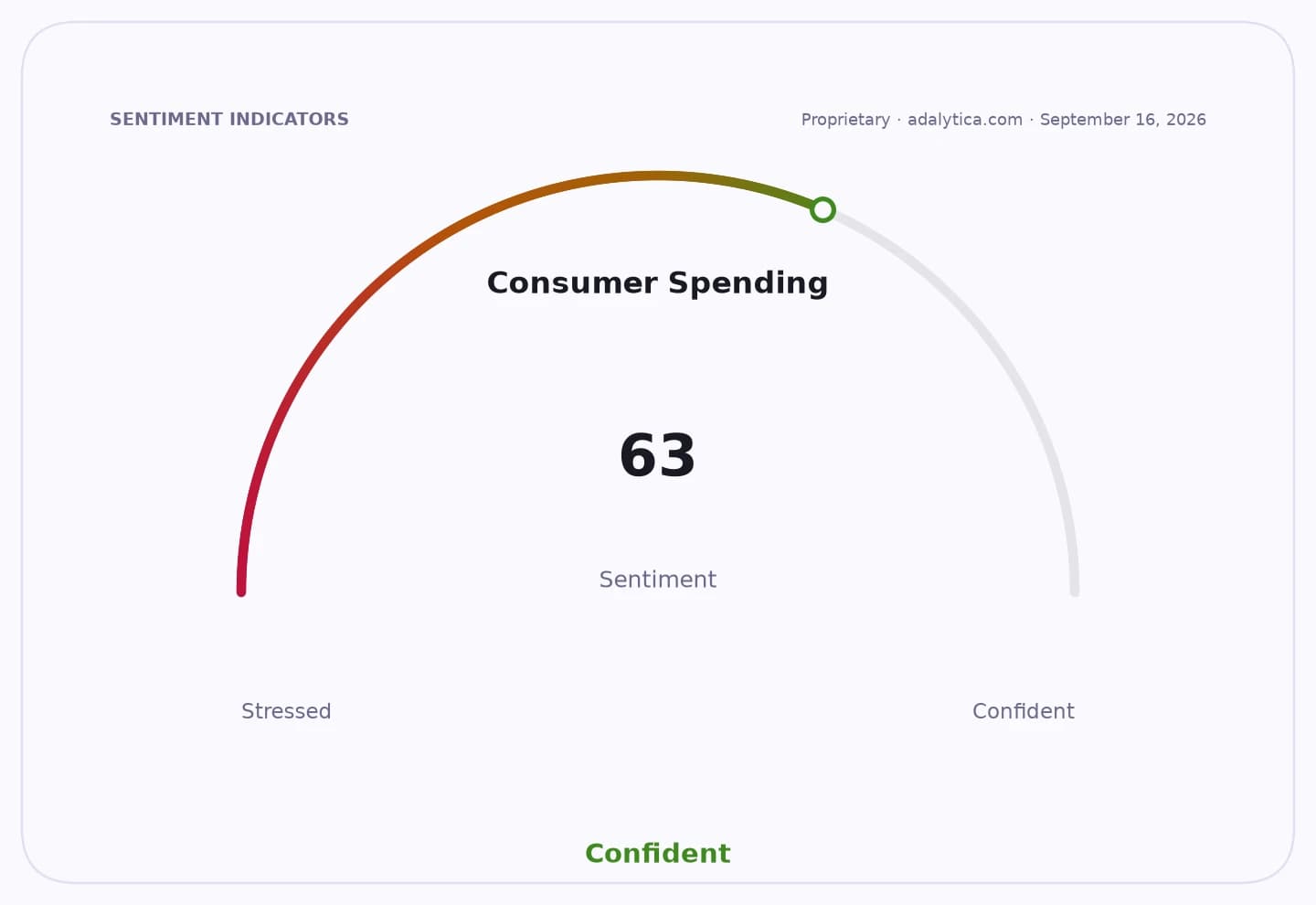
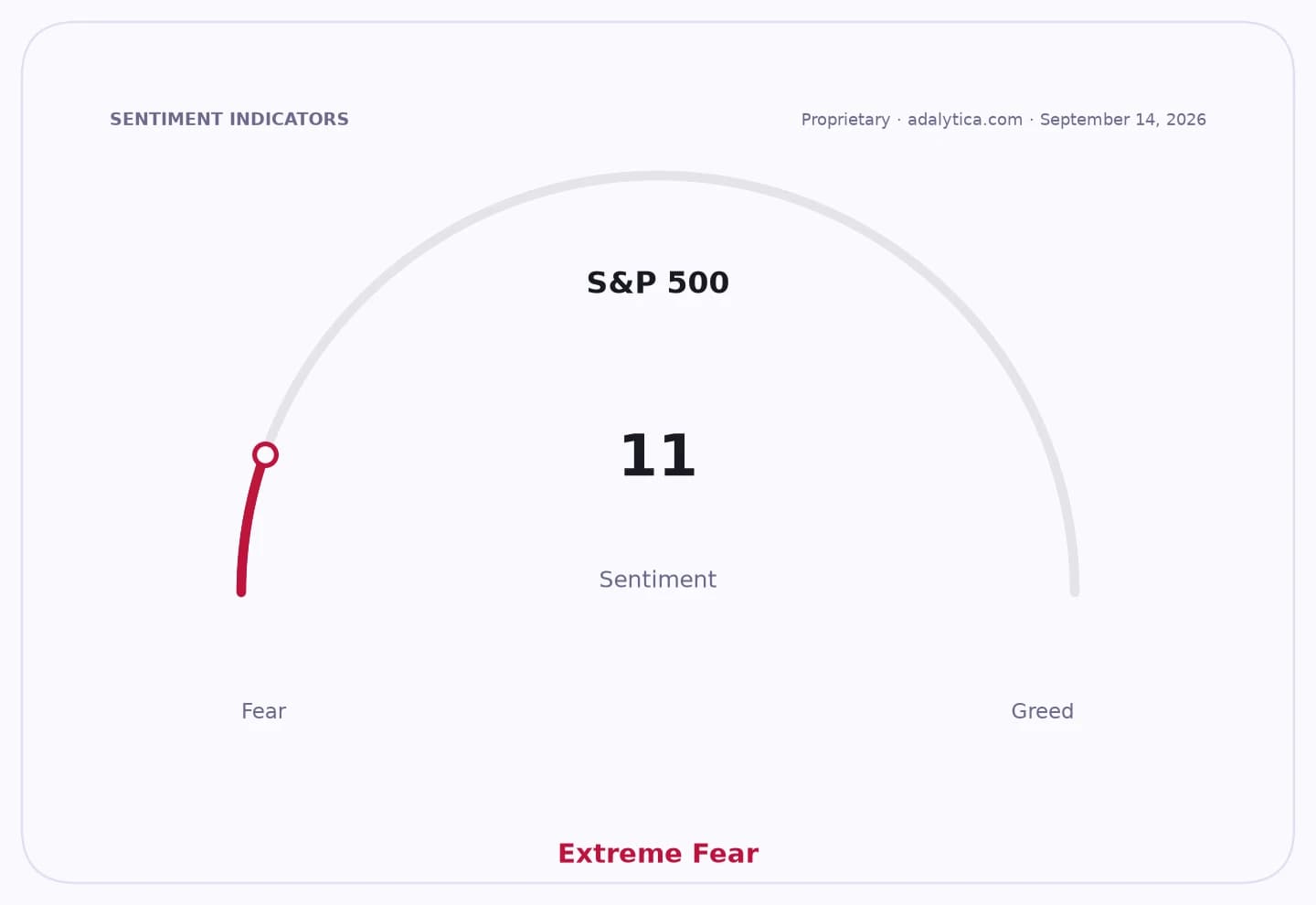
That matters because the promotions point to a consumer still focused on small-ticket bargains rather than big discretionary purchases. In a spending backdrop marked by “Extreme Fear” in Adalytica’s Consumer Spending Sentiment gauge, deal-seeking behavior is likely to dominate the event, and Amazon’s strategy appears aimed at converting that caution into transaction volume.
Sentiment IndicatorsⓘProprietary · adalytica.com · September 5, 2026
This is a snapshot — live sentiment, awareness and momentum for 130+ markets update continuously in the dashboard.Open AlphaPulse
The early offers span household, wellness and low-cost electronics, from a $16.99 tumbler and a $19.79 Bluetooth speaker to a $39.99 Waterpik flossing device and $36.96 replacement toothbrush heads. The pattern is not accidental: these are practical, replenishment-style purchases that are easier to justify than larger items when shoppers are cautious. For Amazon, that mix can help drive traffic, lift order frequency and keep Prime membership value visible heading into the main event.
For investors, the question is whether Prime Day can still do what it has done in recent years: support sales growth without forcing the company to overextend on discounts. Amazon shares have been trading above both their 50-day and 200-day moving averages, but recent technical readings show momentum cooling from earlier highs, suggesting the market will be watching whether the event produces enough incremental demand to justify the spend. A stronger-than-expected response would reinforce the view that Amazon can use scale, logistics and member benefits to defend share even in a weaker retail climate.
The bigger narrative is that Amazon remains one of the few retailers able to turn cautious consumer sentiment into a promotional advantage. If shoppers respond to low-price essentials and wellness items, it would support the case that value-led e-commerce still has room to run. If demand disappoints, it would strengthen concerns that households are trading down and postponing larger purchases even during one of retail’s biggest sales events.
| Entity | Gains | Losses |
|---|---|---|
| Amazon | ▲Traffic and Prime engagement | ▼Margin if discounts deepen |
| Value-focused shoppers | ▲Lower prices on essentials | ▼Limited savings on bigger-ticket items |
| Competitors | ▲Spillover holiday demand | ▼Share if Amazon captures early spend |
| Amazon investors | ▲Potential sales lift | ▼Risk of weaker promotional returns |