Amazon is set to increase the price of Prime in Mexico, a move that underscores how the company is still trying to balance membership growth against inflation-sensitive consumers in key international markets.
Amazon Prime Mexico price increase
The change matters because Prime is not just a subscription service but a gateway to Amazon’s broader retail and logistics ecosystem. Higher fees can lift revenue per member, but they also risk slowing sign-ups or encouraging cancellations in a market where disposable income remains under pressure and price competition is intense.
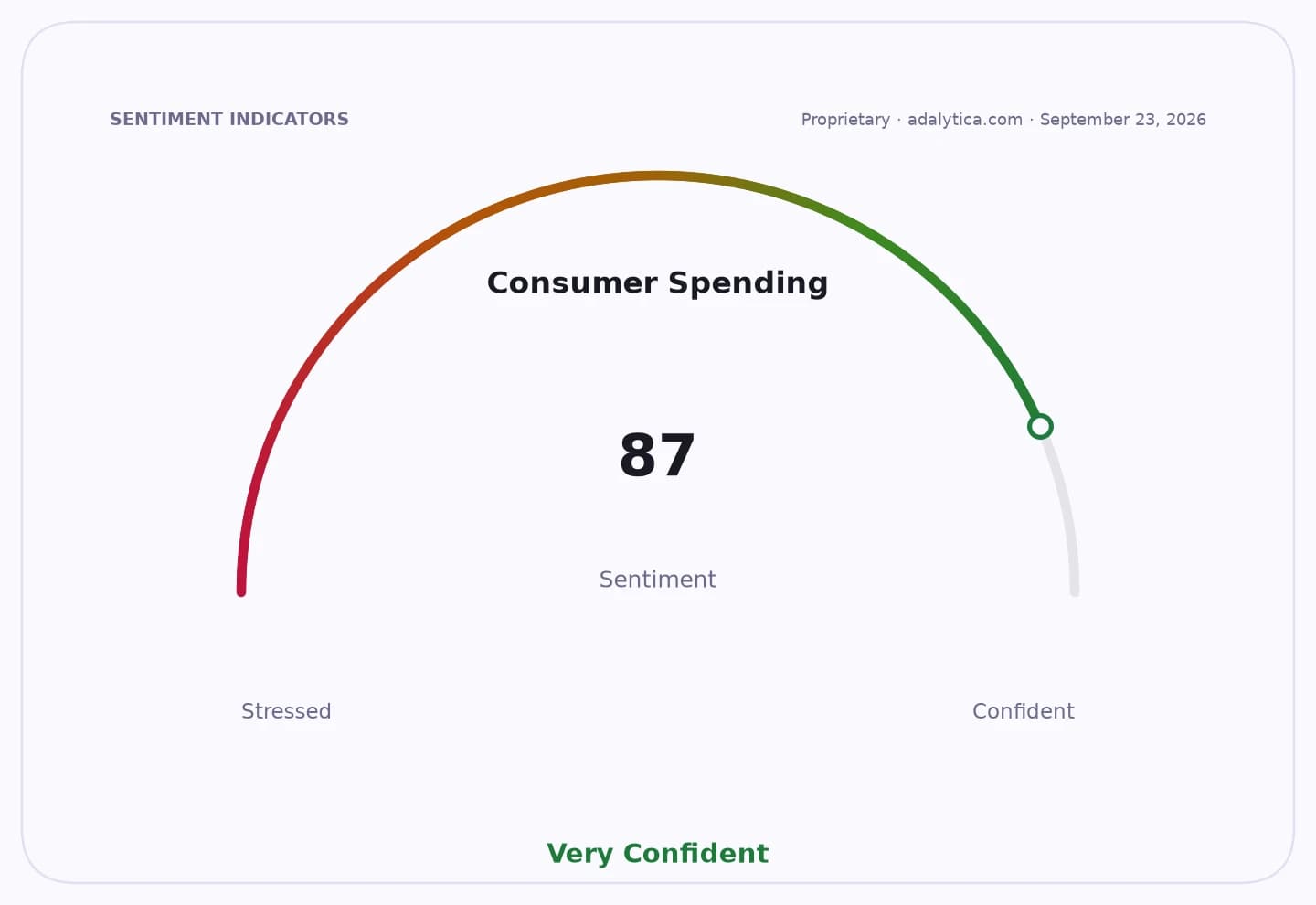
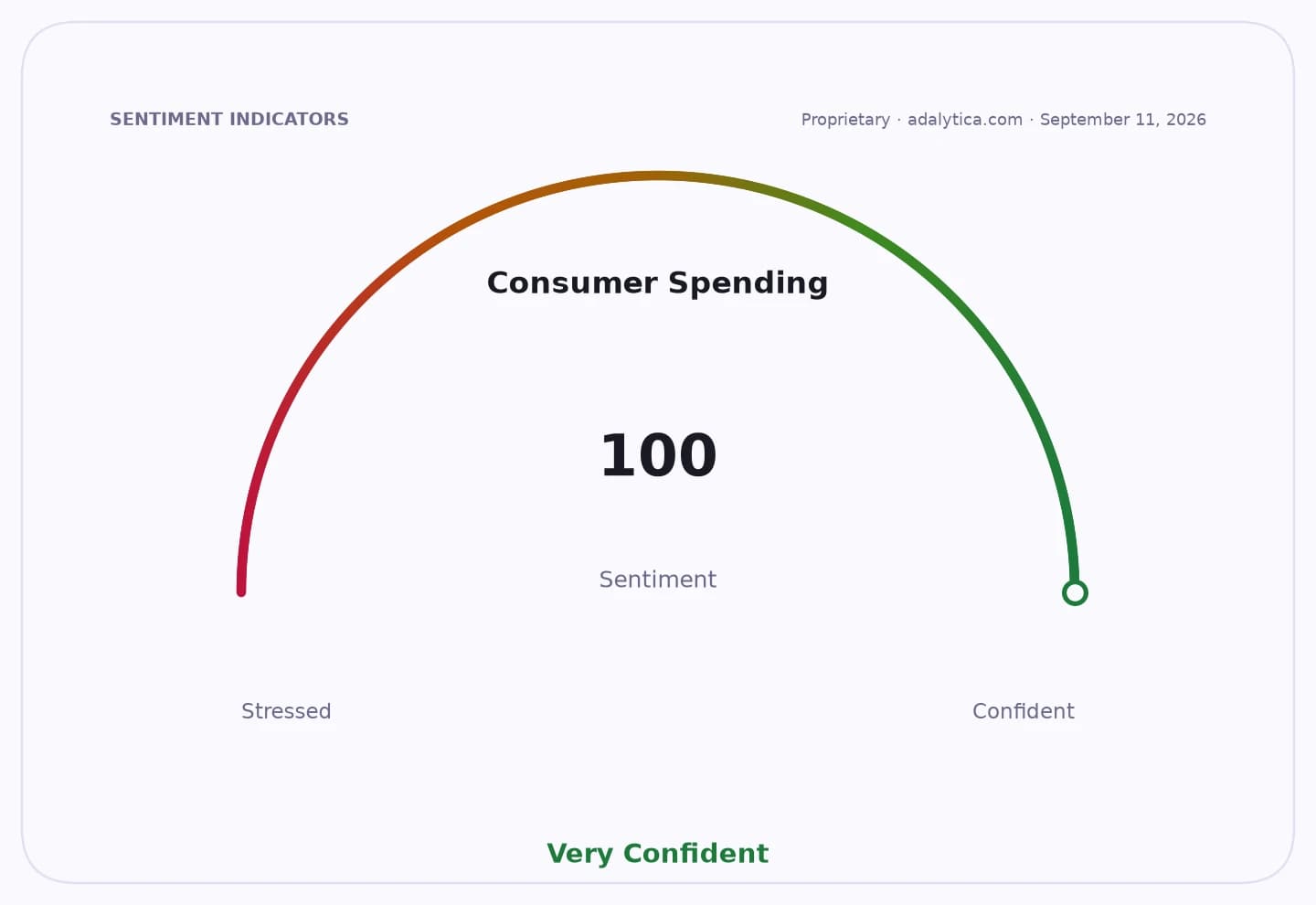
Sentiment IndicatorsⓘProprietary · adalytica.com · September 27, 2026
This is a snapshot — live sentiment, awareness and momentum for 130+ markets update continuously in the dashboard.Open AlphaPulse
Amazon has used Prime as a strategic lever for years, absorbing part of the cost of shipping and digital benefits in exchange for recurring revenue and stickier customer behavior. In Mexico, where consumers are more likely to trade down on discretionary spending, even a modest increase could test that formula. If the company can hold churn low, the price move would improve margins and reinforce Prime’s role as a high-value subscription. If not, it could weaken one of Amazon’s most effective customer-retention tools.
For investors, the issue is less about the absolute size of the price change than what it says about Amazon’s pricing power outside the U.S. The stock has remained above its 50-day and 200-day moving averages in recent sessions, suggesting the market still rewards Amazon’s earnings durability, but the company’s retail margins remain sensitive to shipping, fulfillment and marketing costs. Any slowdown in Prime adoption would matter because the subscription base supports retail frequency and ecosystem engagement, while also helping spread fixed logistics costs over more orders.
The timing also fits a broader pattern across consumer internet and streaming businesses, where companies have leaned harder on subscription pricing to offset higher input costs and protect profitability. Netflix and Disney have already shown investors that price increases can work when content and service quality justify them; Amazon’s challenge is different, because Prime bundles shipping, media and shopping convenience into one product and competes on perceived value rather than entertainment alone.
The key question for investors is whether this is a disciplined monetization step or the first sign that Amazon is pushing harder on customers as growth normalizes. A successful adjustment would suggest Prime remains a pricing asset. A weak response would raise questions about international consumer resilience and the sustainability of Amazon’s subscription-led retail strategy.
| Entity | Gains | Losses |
|---|---|---|
| Amazon | ▲Higher Prime revenue per user | ▼Possible churn pressure |
| Prime members who value bundled benefits | ▲Continued service access | ▼Higher subscription cost |
| Competitors in Mexican retail | ▲Price-sensitive shoppers to target | ▼Amazon’s weaker discounting edge |
| Amazon shareholders | ▲Margin upside if retention holds | ▼Growth risk if sign-ups slow |