Amazon Prime customers will get larger refunds under the company’s $2.5 billion settlement with the Federal Trade Commission after a federal court approved changes that widen eligibility and raise the maximum payment to $200 from $51.
Amazon Prime settlement raises refunds to $200
The move matters because it increases the financial cost of one of Washington’s most prominent consumer-protection cases against a major tech company and turns a complicated claims process into automatic payments for millions of additional Prime users. For Amazon, it extends the overhang from a case centered on allegations of deceptive enrollment and difficult cancellation practices, with cash flowing out to more households and administrative friction largely removed.
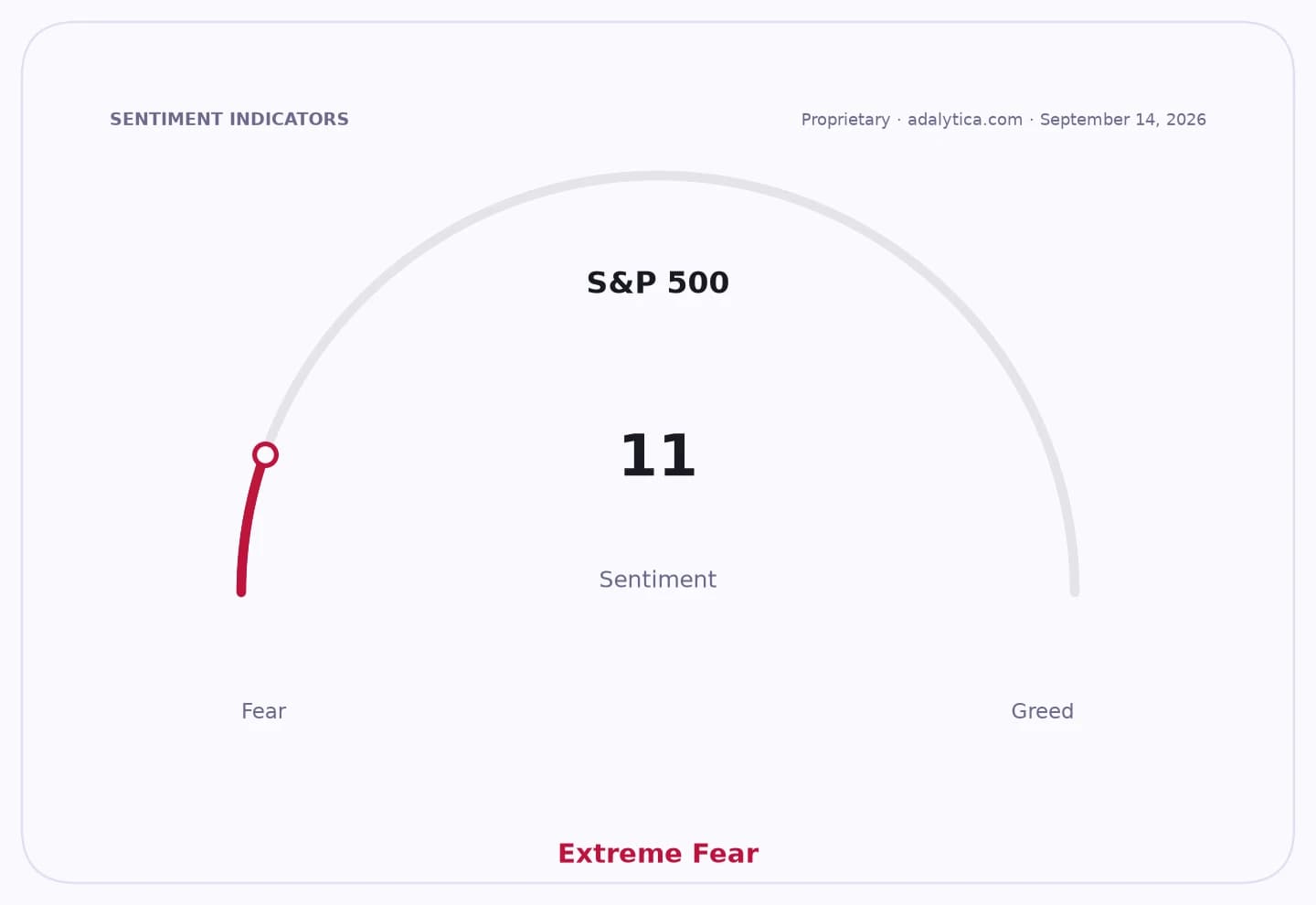
Sentiment IndicatorsⓘProprietary · adalytica.com · September 27, 2026
This is a snapshot — live sentiment, awareness and momentum for 130+ markets update continuously in the dashboard.Open AlphaPulse
The FTC said the revised order now covers consumers who used between 11 and 20 Prime benefits in a one-year period, up from the original threshold of fewer than 10 benefits. Payments will begin on Oct. 1, 2026, and will be sent automatically by Venmo, PayPal or mailed check, eliminating the need for consumers to file claims or complete paperwork.
For investors, the settlement does not alter Amazon’s core retail, advertising or cloud businesses, but it does add another compliance and legal expense tied to Prime, one of the company’s most strategic subscription products. Prime membership is a key driver of repeat spending and customer loyalty, so a case that accuses Amazon of making sign-ups too easy and cancellations too hard strikes at the economics of retention as much as it does at the legal bill.
Amazon shares have been volatile in recent sessions, with technical indicators on the stock showing the shares below their 50-day moving average and momentum softening after a sharp run earlier in the year. The legal settlement is unlikely to move the stock on its own, but it reinforces scrutiny of Amazon’s subscription practices at a time when investors are watching margins, regulatory risk and the durability of consumer demand.
The wider signal is that regulators are still pressing large platforms over subscription dark-pattern claims, and companies with recurring-revenue models may face similar refund and redress obligations if courts continue to favor automatic restitution. The next catalyst for Amazon will be whether the payout process runs cleanly as the October 2026 distribution date approaches and whether the company faces any additional regulatory actions tied to Prime or other consumer offerings.
| Entity | Gains | Losses |
|---|---|---|
| Amazon customers | ▲Larger automatic refunds | ▼None |
| FTC / regulators | ▲Stronger enforcement credibility | ▼None |
| Amazon | ▲Clearer settlement process | ▼Higher redress cost |
| Prime subscribers / Amazon shareholders | ▲Less claim friction | ▼Legal and compliance overhang |