Amazon Prime members in Germany have won a major legal victory that could put money back in customers’ pockets and add another small but meaningful cost overhang for the e-commerce giant.
Amazon Prime Germany Price Increase Ruled Unlawful
Germany’s top court ruled that Amazon’s 2022 Prime price increase was unlawful because the company changed the fee without meeting transparency requirements. For households, the sums are modest — but for Amazon, the ruling reinforces a broader lesson investors should never ignore: recurring subscription revenue is only as durable as the rules that govern it.
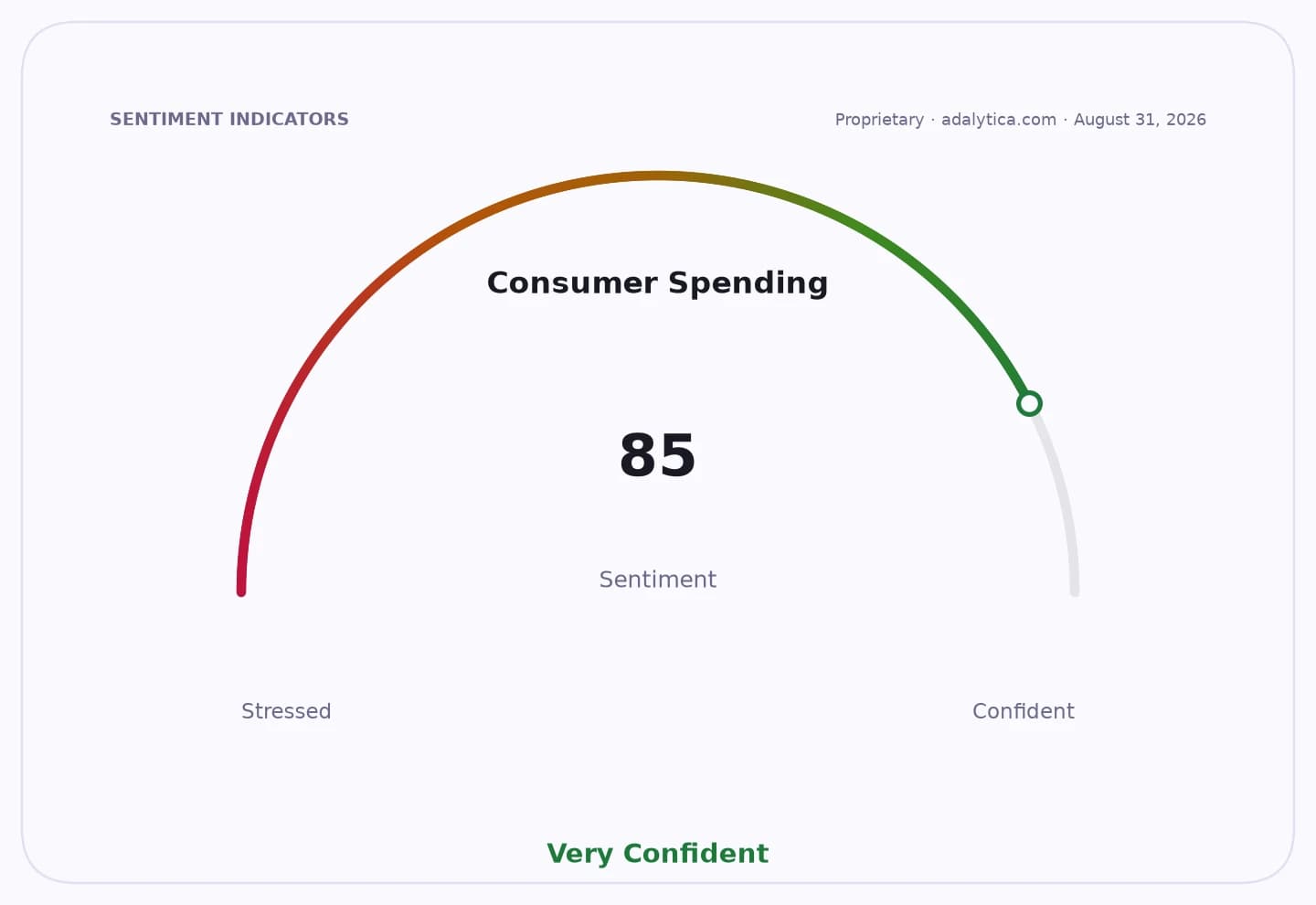
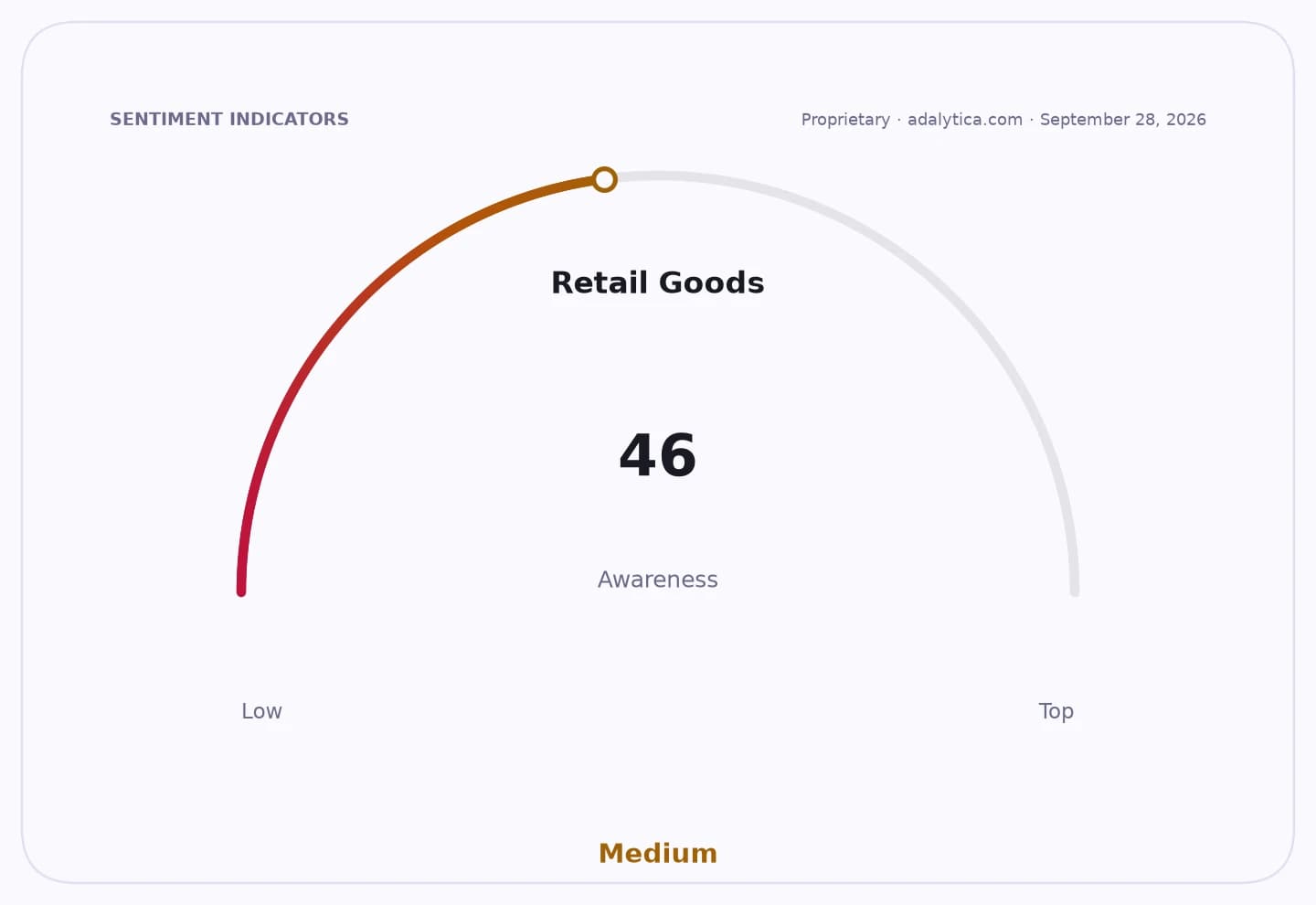
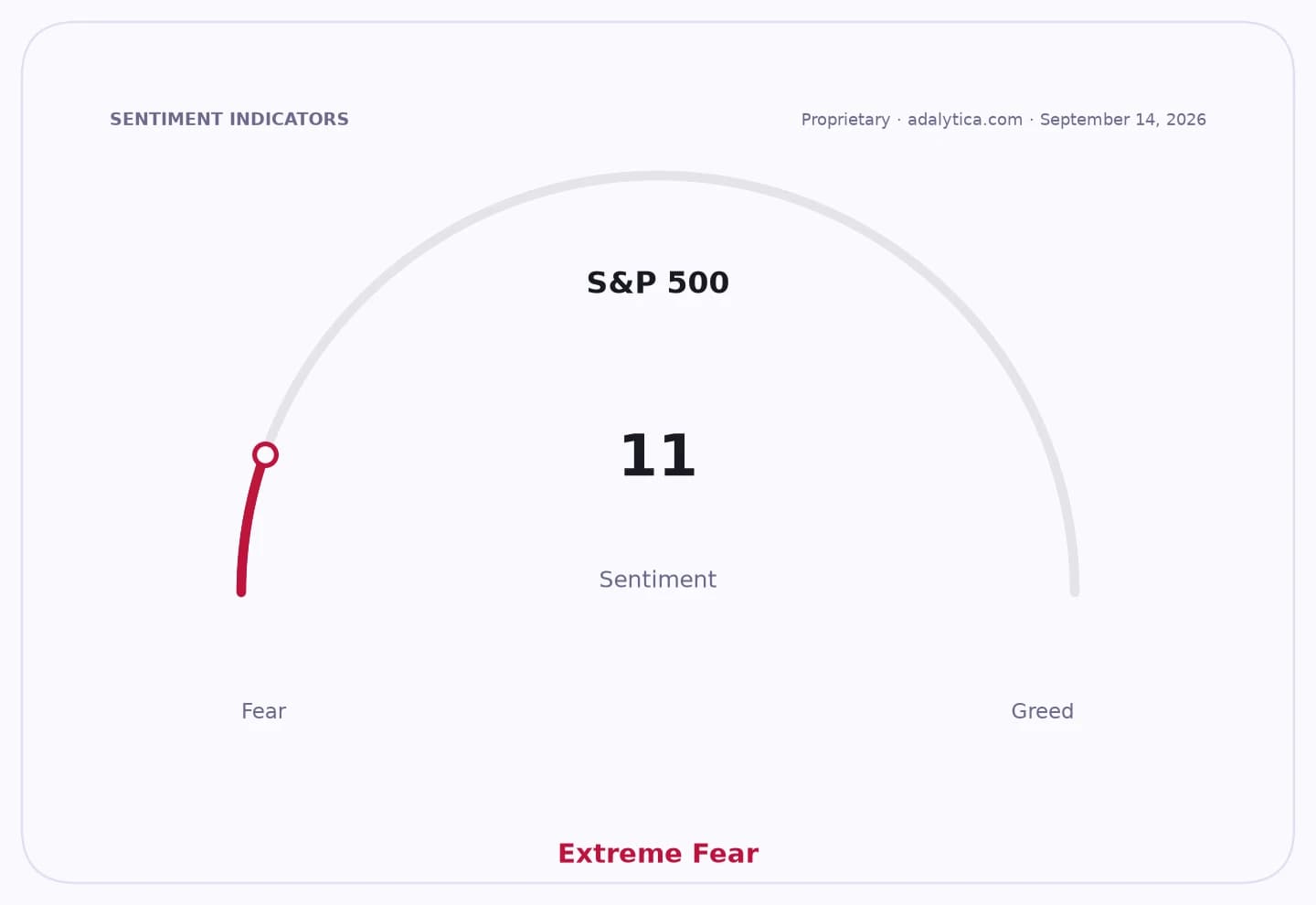
Sentiment IndicatorsⓘProprietary · adalytica.com · October 2, 2026
This is a snapshot — live sentiment, awareness and momentum for 130+ markets update continuously in the dashboard.Open AlphaPulse
The judgment matters because Prime is one of Amazon’s most valuable customer-retention tools. It bundles fast shipping with streaming and other perks, helping keep shoppers inside Amazon’s ecosystem and supporting repeat purchases. When a court says a price increase was improperly imposed, it does not threaten Amazon’s business model on its own, but it does remind investors that the company’s ability to lift subscription prices is not entirely in its own hands.
For eligible customers, the refund math is straightforward. According to the reporting, annual subscribers who accepted the increase without explicit consent may be owed up to 83.60 euros, while monthly subscribers could claim 48 euros. Student accounts were also affected by the 2022 increase. That is enough to matter to consumers, and it is enough to encourage more claims if the refund path remains simple.
The easiest route appears to be through the consumer group-backed collective action, which has already drawn roughly 150,000 participants, according to the German report. That scale matters. Even if the average payout per person is small, large numbers of claims can create administrative costs, legal expense and reputational friction. Amazon has said older customers who did not agree to the higher fee can continue to be charged the old price for now, which suggests the company will have to manage both compliance and customer relations carefully.
For investors, this is less about immediate earnings impact than about the quality of Amazon’s recurring revenue. Prime is a core part of the company’s moat, and moats can be reinforced or weakened by regulation, consumer protection rules and court decisions. The legal setback does not change Amazon’s growth story, but it does underline a practical risk in subscription-based businesses: pricing power is valuable, but it is not unlimited.
The stock itself remains far more driven by cloud growth, advertising, retail efficiency and margin expansion than by this one legal case. Still, the news is a reminder to long-term shareholders that even the strongest platforms face constraints when they try to push through price increases. That is why investors should watch how aggressively Amazon defends pricing across its services and how quickly it resolves refund claims in Europe.
For buy-and-hold investors, the bigger takeaway is not to panic — it is to remember that great businesses can still run into legal and regulatory speed bumps. Amazon remains a dominant company worth watching, but Prime’s fee dispute shows why diversification and patience matter.
| Entity | Gains | Losses |
|---|---|---|
| Prime members in Germany | ▲Refund chance | ▼Overpaid fees |
| Amazon | ▲Pricier to defend pricing | ▼Legal and reputational strain |
| Consumer groups | ▲Stronger bargaining power | ▼— |
| Long-term Amazon shareholders | ▲Business still intact | ▼Small compliance overhang |