Return abuse is emerging as one of the most expensive and fastest-evolving leaks in online retail, and a new three-country study suggests the market is still underestimating how widespread it has become.
Refund abuse rises in UK, France and Germany
A survey by fraud-prevention company Ravelin, covering 6,282 consumers in the UK, France and Germany, found that 27% admitted to abusing refund policies, with the rate jumping to 37% in Britain, 33% in France and 25% in Germany. For retailers already living with thin margins and higher fulfillment costs, that is not a side issue. It is a direct hit to revenue, inventory planning and profitability.
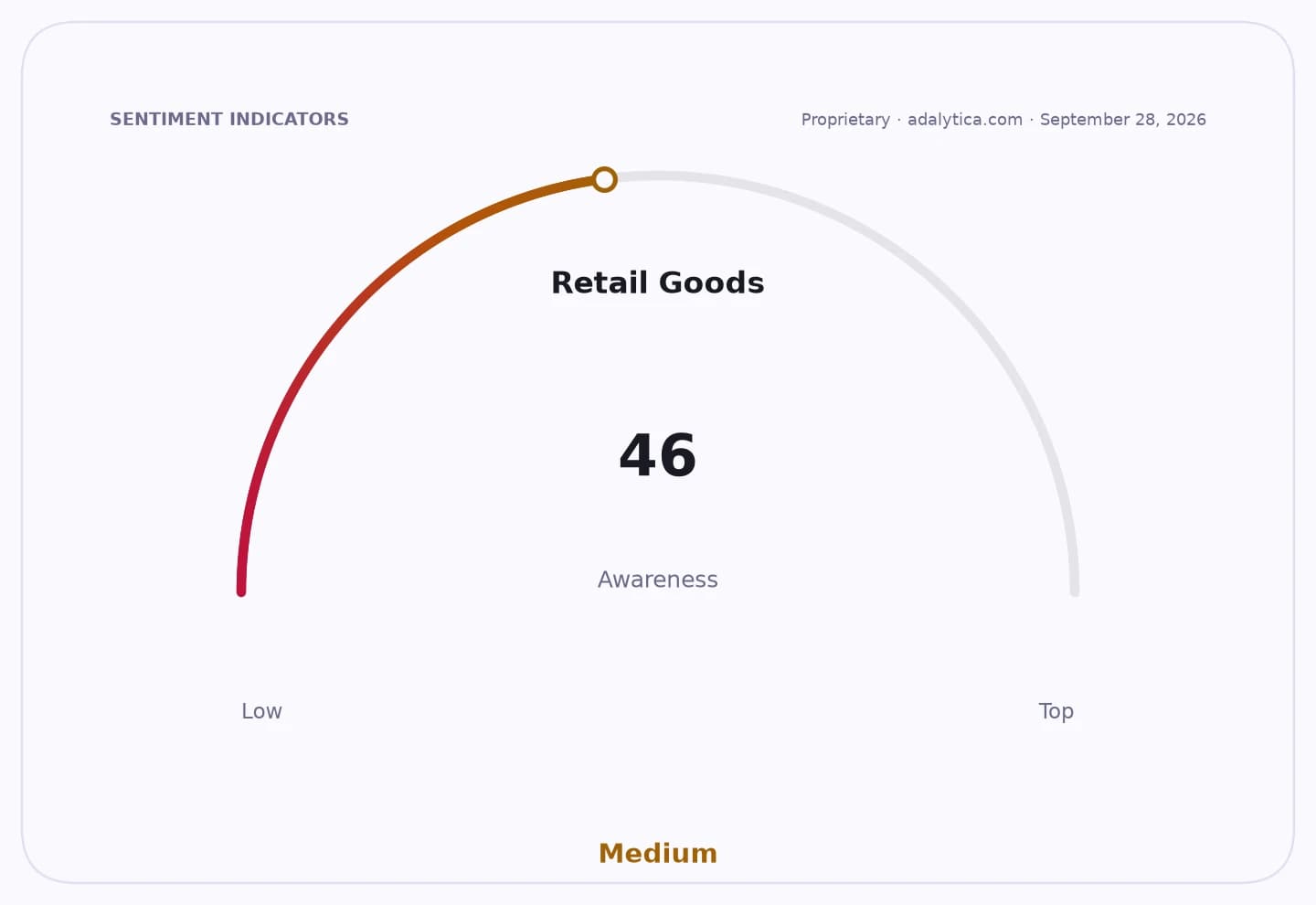
Sentiment IndicatorsⓘProprietary · adalytica.com · September 28, 2026
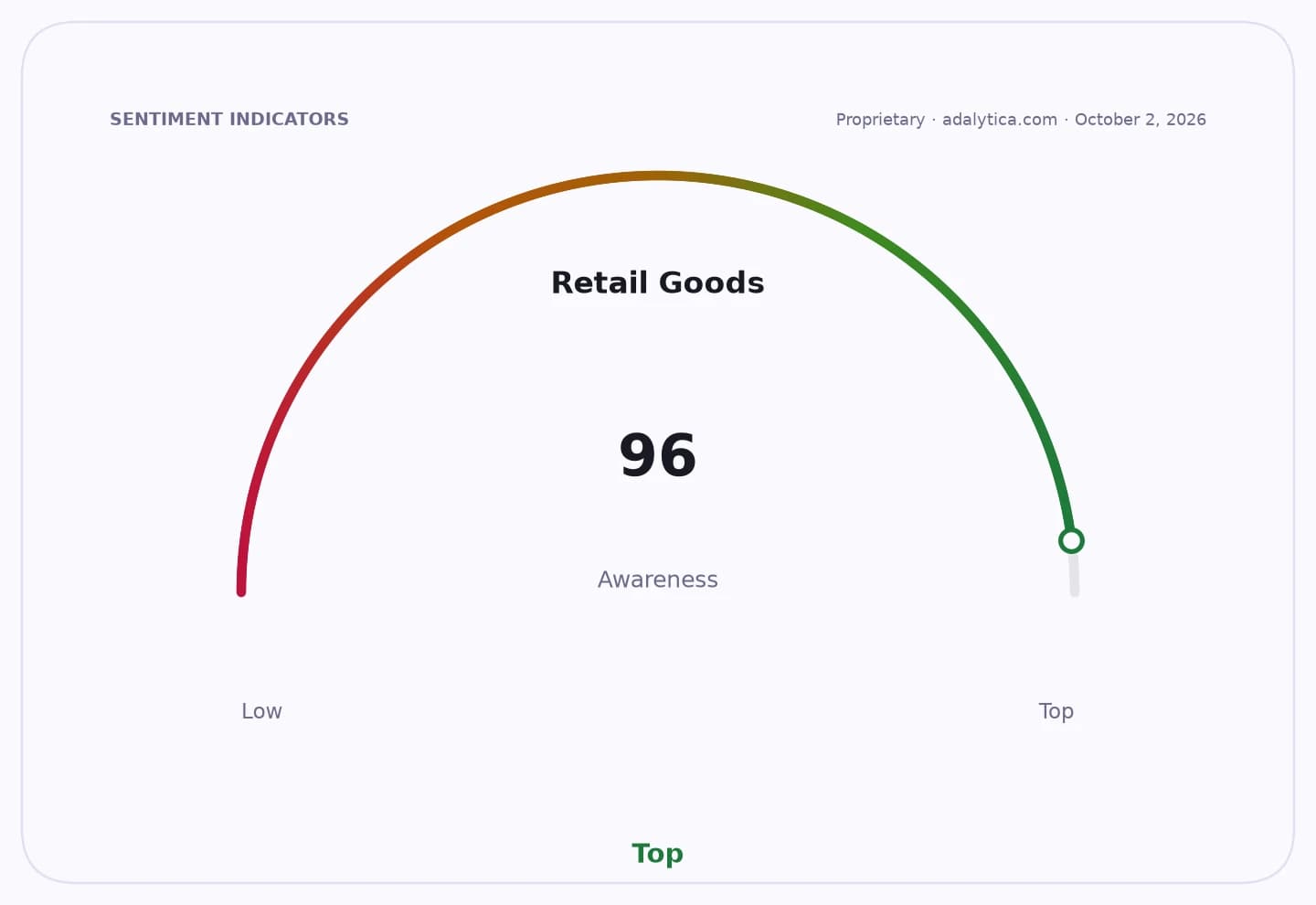
This is a snapshot — live sentiment, awareness and momentum for 130+ markets update continuously in the dashboard.Open AlphaPulse
The economic damage is broader than the headline numbers suggest. Among respondents who said they had tried to game refund systems, 98% claimed success — a reminder that many merchants are still operating with controls that are too blunt, too slow or too easy to evade. The study said occasional abusers extract an average of about 390 euros or pounds per claim, rising to roughly 491 euros or pounds for those who do it more than four times a year. Scale that across millions of online orders and the cost becomes meaningful fast.
The playbook is familiar: customers falsely claim parcels never arrived, return goods after using them, or send back empty boxes while keeping the merchandise. What is changing is the sophistication. Ravelin said artificial intelligence is making abuse harder to spot by helping shoppers draft polished complaints or generate fake images as evidence. That raises the cost of screening for merchants at the same time they are already being pushed to offer fast, frictionless returns to keep conversion high.
That tension matters for investors because returns are no longer just a customer-service metric. They are a structural margin risk for e-commerce platforms, marketplace operators and omnichannel retailers. Amazon has already warned in its filings that it is affected by fraudulent or unlawful seller activity, while large merchants such as Macy’s and others must manage merchandise sales net of expected returns. The companies best positioned here are the ones that can separate repeat abusers from legitimate shoppers without slowing the rest of the customer base.
The market may be missing the second-order opportunity. If refund fraud is becoming more common, spending should flow into fraud detection, behavioral analytics, identity verification and AI-driven claims review. That is constructive for vendors selling checkout security and loss-prevention software, and it may also favor retailers with the scale to build better screening internally. Smaller merchants, by contrast, face a tougher trade-off: tighten return policies and risk hurting good customers, or keep policies loose and absorb the leakage.
That is why this story matters now. With consumer spending still fragile and retail margins under pressure, refund abuse is not just an operational nuisance — it is a profit drain that compounds through the entire online retail chain. The winners will be the platforms and software providers that make returns smarter, not harsher. Investors should be looking for the picks-and-shovels names that turn fraud control into a recurring, high-margin service.
| Entity | Gains | Losses |
|---|---|---|
| Fraud-prevention software vendors | ▲More demand for detection tools | ▼More pressure to prove ROI |
| Large retailers | ▲Better data and control systems | ▼Higher compliance and tech costs |
| Small e-commerce merchants | ▲— | ▼Margin leakage from return abuse |
| Honest shoppers | ▲More targeted controls | ▼Stricter return friction |