Tariff refunds are emerging as a meaningful profit buffer for major U.S. retailers, giving Walmart, Home Depot and Lowe’s more room to protect margins or pass savings through to shoppers at a time when consumer prices remain elevated and trade policy is still in flux.
Walmart Gets $2.9 Billion Tariff Refunds
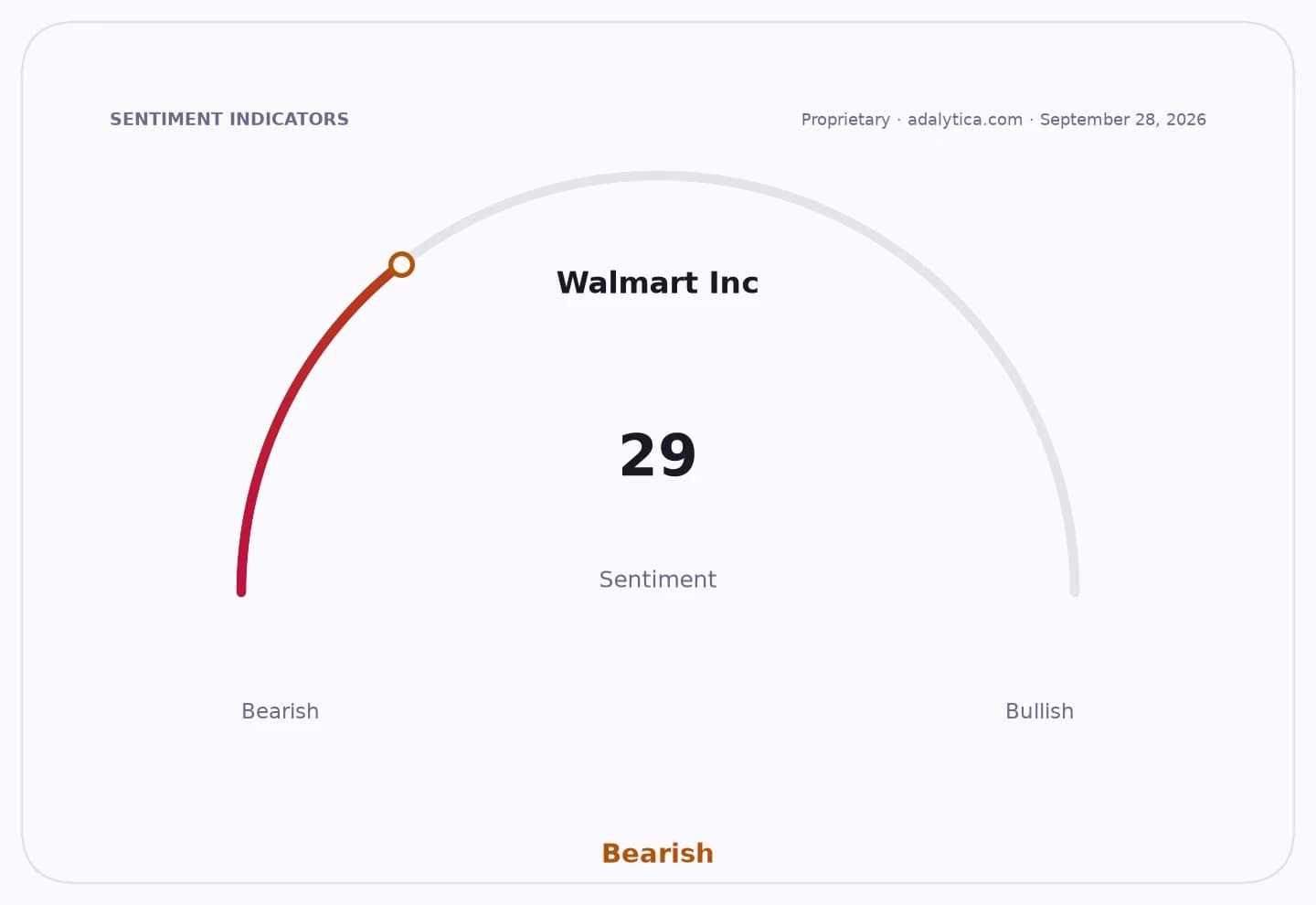
The biggest economic significance is that tariff relief is no longer just an accounting item. For Walmart, the world’s largest retailer said in its latest filing it received about $2.9 billion in tariff refunds during the quarter ended July 31, recording the money as a reduction to cost of sales. That is enough to materially influence pricing strategy in a business whose scale makes even small changes in sourcing costs matter for millions of households.
Sentiment IndicatorsⓘProprietary · adalytica.com · September 27, 2026
This is a snapshot — live sentiment, awareness and momentum for 130+ markets update continuously in the dashboard.Open AlphaPulse
The broader story goes beyond Walmart. Home Depot and Lowe’s have both signaled they are closely watching tariff and trade-policy changes, a reminder that the benefits of refunds are spreading through the home-improvement and general-merchandise retail chain. For investors, the key question is whether these windfalls are used to defend gross margins, support promotional activity or reduce shelf prices in categories where consumers are still trading down.
That matters because tariffs have become one of the few policy levers that can move retail economics quickly. Refunds effectively reverse part of the import-tax burden and can arrive just as retailers face stubborn input costs, slower discretionary demand and intense competition on value. Costco said it received $184 million in tariff refunds in the fourth quarter and used the money to lower prices for members, showing how refunds can be turned into a direct consumer benefit rather than extra earnings.
The investor read-through is mixed. On one hand, tariff refunds can lift near-term profitability and support traffic if retailers reinvest the cash into lower prices. That favors Walmart, Costco and other value players with the scale to turn cost relief into share gains. On the other hand, if savings are quickly passed on, the boost to reported earnings can fade, leaving little more than temporary margin relief.
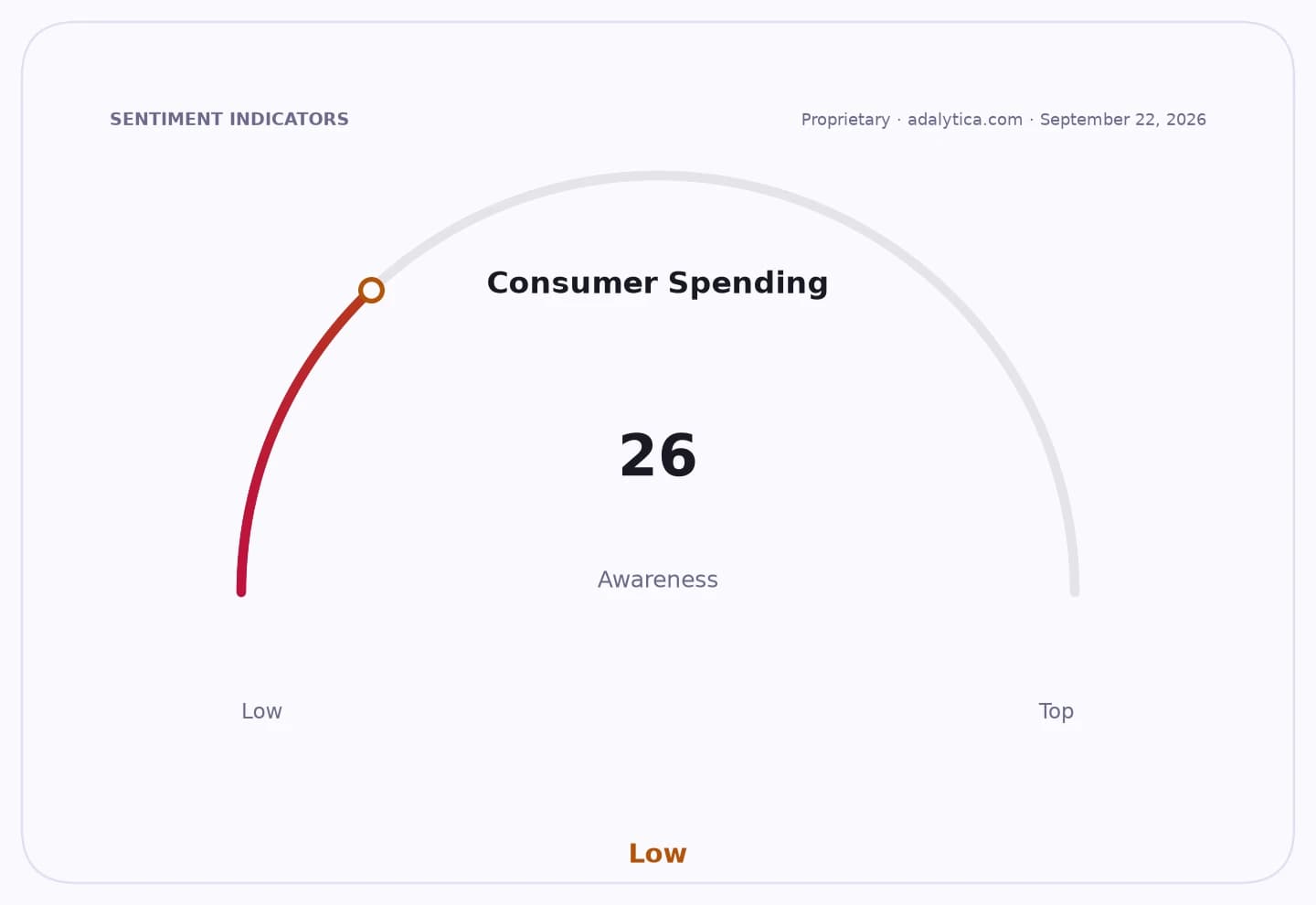
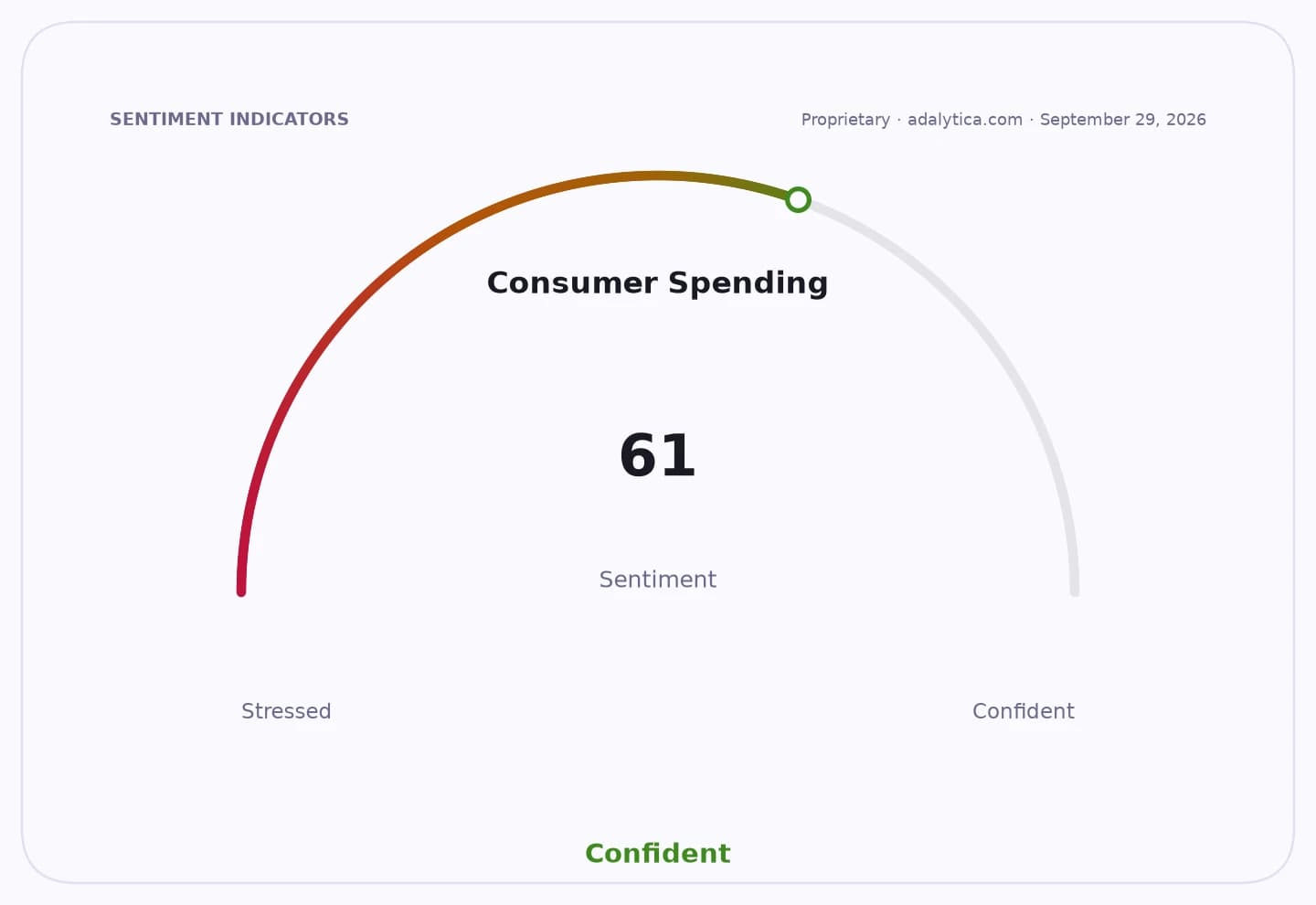
The market backdrop underscores why this is being watched closely. Consumer spending remains resilient but uneven, while inflation has cooled only gradually. In that environment, retailers with the best sourcing leverage can use tariff refunds to widen the gap with smaller chains that have less ability to absorb or offset policy-driven costs. Home-improvement chains such as Home Depot and Lowe’s are also exposed to imported goods, making trade policy a direct factor in their gross margin outlook.
For Walmart, the main bull case is straightforward: refunds reinforce its price-leadership model and help it hold or expand share among budget-conscious shoppers. The bear case is that the refund benefit is transient, while continued trade uncertainty and promotional pressure keep the pricing environment highly competitive.
Investors will be watching upcoming earnings updates for whether retailers quantify additional refunds, how much of the proceeds are reinvested in lower prices, and whether gross margin guidance improves or proves conservative. If refunds keep flowing, they could become a quiet but important support for big-box retailers heading into the next round of holiday and home-improvement demand.
| Entity | Gains | Losses |
|---|---|---|
| Walmart | ▲Margin relief | ▼Less pricing pressure |
| Home Depot | ▲Lower import costs | ▼Smaller cost inflation |
| Lowe’s | ▲Pricing flexibility | ▼Margin compression risk |
| Shoppers | ▲Lower shelf prices | ▼Fewer retailer windfalls |