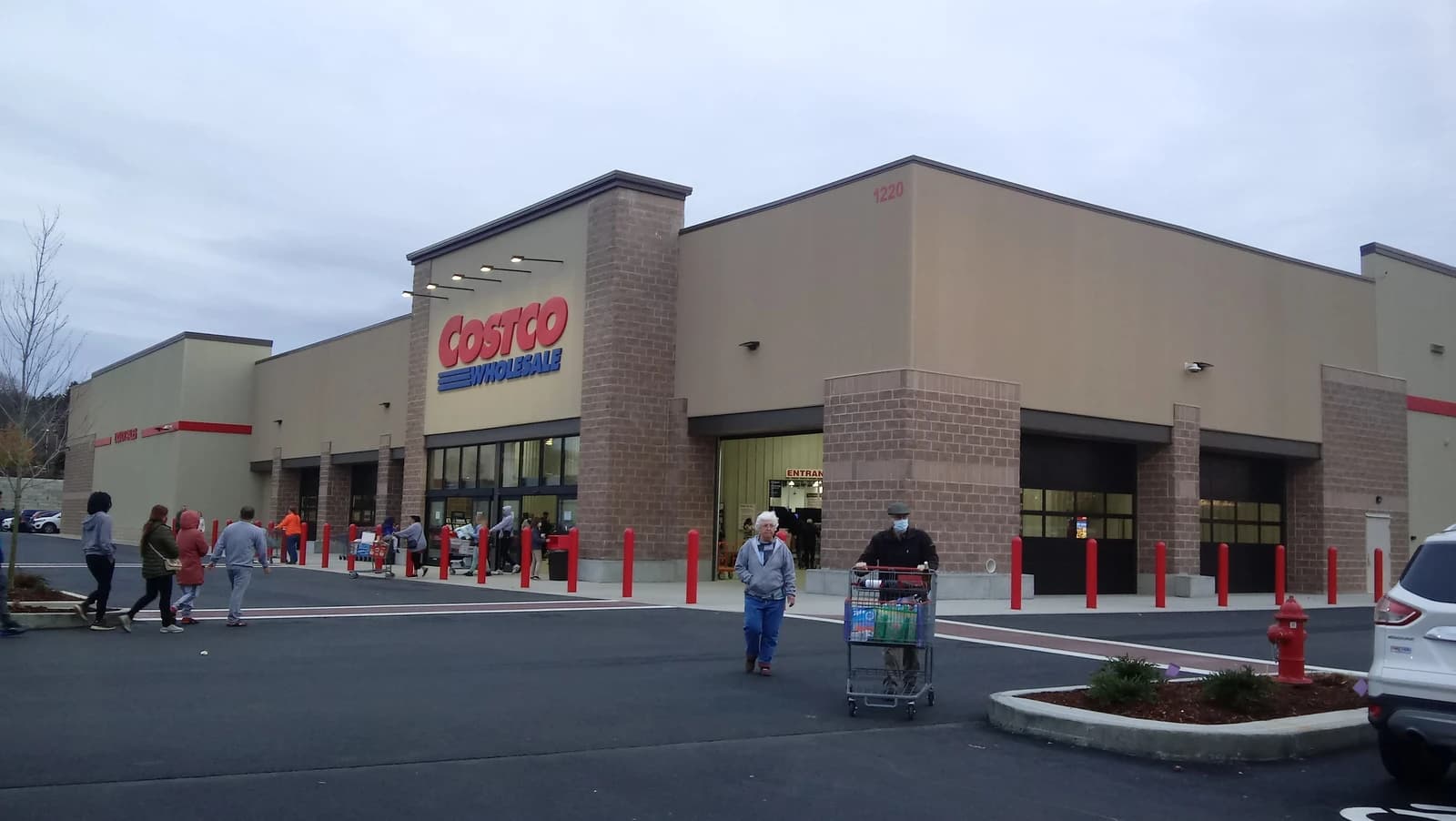
Costco turns a generous returns policy into a separate wholesale business by reselling many refunded products through B-Stock auctions, where licensed buyers bid on pallets and truckloads instead of consumers buying individual items.
Costco Returns Flow Through B-Stock Auctions
That matters because Costco’s “100% satisfaction” promise is a competitive weapon in U.S. retail, but it also creates a steady stream of inventory that has to be processed, sorted and monetized without damaging margins. For investors, the key point is that returns do not simply disappear into a loss bucket: Costco recovers value by moving salable items back into its supply chain, donating some goods and liquidating the rest through restricted resale channels.
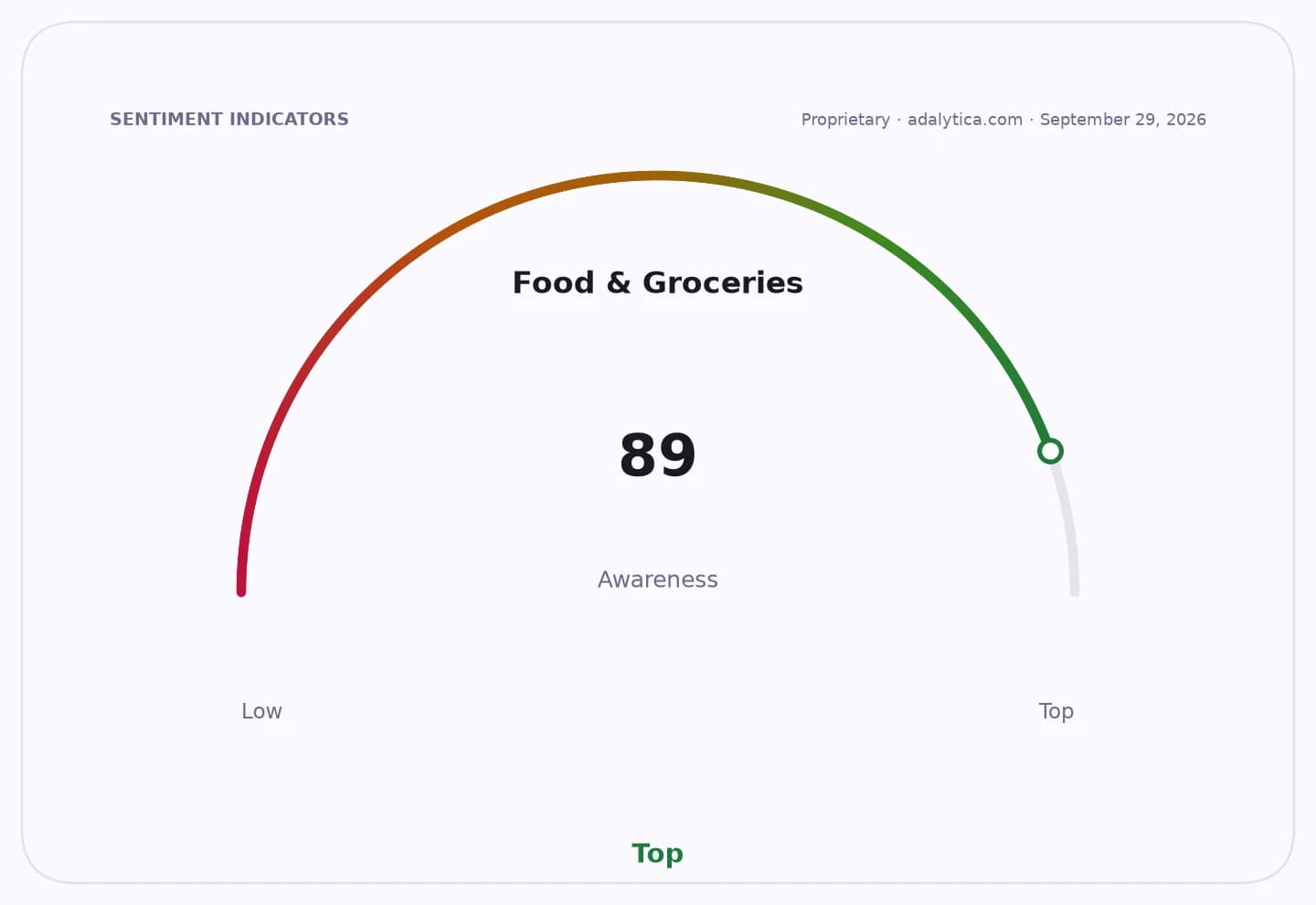
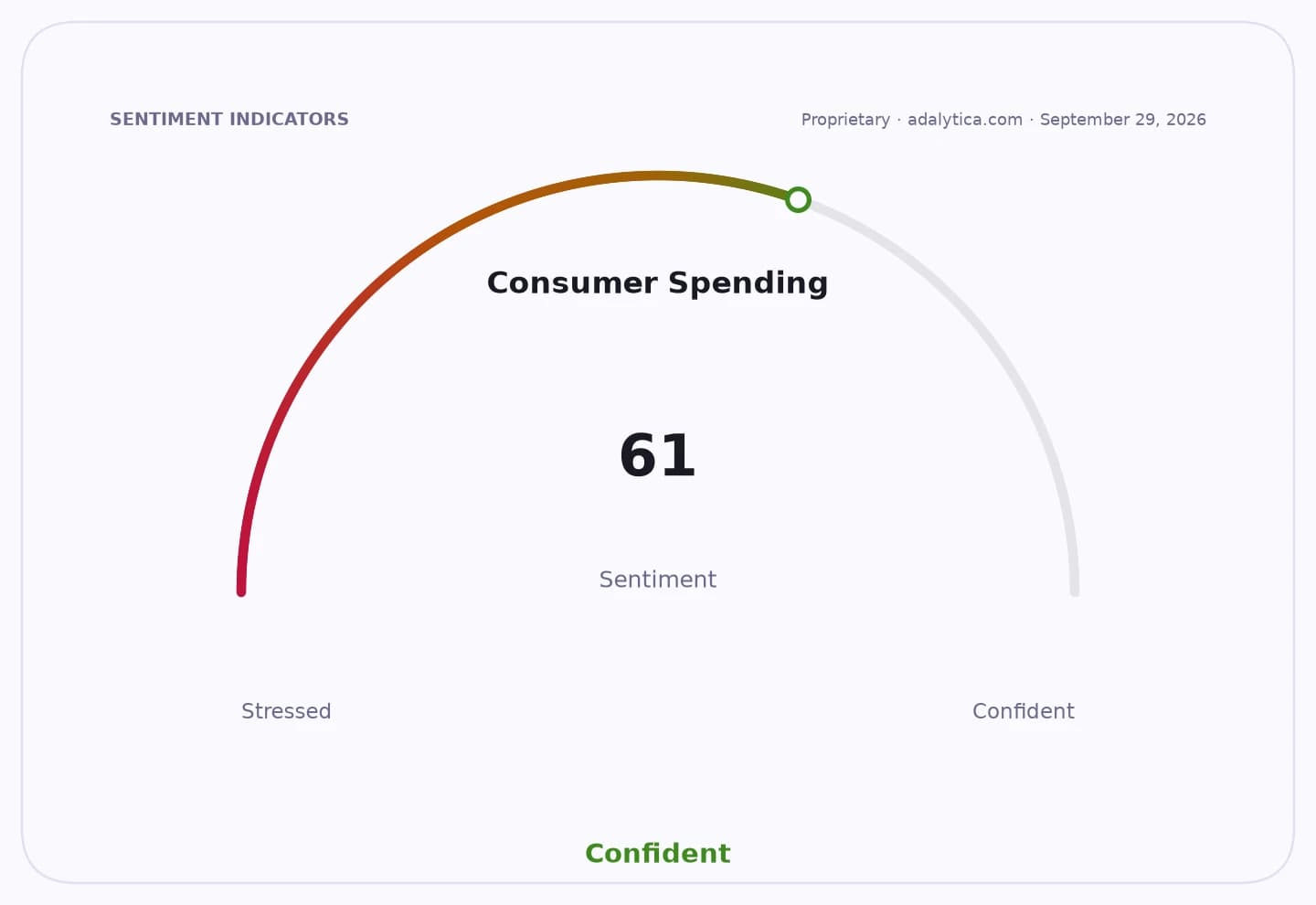
Sentiment IndicatorsⓘProprietary · adalytica.com · September 29, 2026
This is a snapshot — live sentiment, awareness and momentum for 130+ markets update continuously in the dashboard.Open AlphaPulse
Returned merchandise first goes through Costco’s returns operation. Unopened, nonperishable goods and some opened apparel can go back on shelves if the customer changed their mind or bought the wrong size, while opened or used items are sent to a large returns facility for inspection and sorting.
At a warehouse in Monroe Township, New Jersey, about 80,000 square meters in size, workers handle returns from more than 60 Costco warehouses and online orders. The items are not tested for functionality; they are classified visually, with pristine products graded A and damaged or incomplete merchandise graded D.
Costco then works with B-Stock, the liquidation platform that also handles excess inventory for Target and Walmart. The auctions are bulk-only: goods are sold on pallets or in container loads, often as mixed lots containing everything from vacuums and microwaves to toys and clothing, and buyers purchase them “as is” for resale through discount stores, secondhand shops or online marketplaces.
The resale channel is tightly controlled. U.S. buyers must show a valid resale certificate, foreign buyers need proof of business activity, and the goods generally cannot be resold within roughly five miles of the original selling location. That reduces cannibalization risk for Costco’s own stores and keeps the liquidation flow aimed at commercial buyers rather than ordinary shoppers.
Food returns are the least recoverable. Opened food generally cannot be resold because of FDA rules and the risk of improper storage after it leaves the store. Some sealed items can be donated instead, with Costco directing protein, produce and dairy to Feeding America, while other nonresalable products are recycled or discarded.
The model shows how Costco balances customer goodwill with inventory discipline. A lenient returns policy helps drive loyalty and traffic, but the company also monitors return histories and can blacklist abusers or cancel memberships if the pattern looks fraudulent.
For investors, the takeaway is that Costco’s return policy is not just a customer-service expense; it is part of a managed ecosystem that protects gross margin, limits waste and preserves the brand’s low-risk value proposition. The main risk remains the same: if return volumes rise or abuse becomes harder to police, the costs of that generosity can climb quickly.
| Entity | Gains | Losses |
|---|---|---|
| Costco | ▲Recovers value from returns | ▼Exposed to abuse risk |
| B-Stock buyers | ▲Cheap bulk inventory | ▼As-is merchandise risk |
| Costco members | ▲Flexible return policy | ▼Tighter enforcement |
| Donation groups | ▲Food and goods supply | ▼Opened food gets discarded |