Food recalls are hitting grocery aisles with a bigger economic effect than many shoppers realize: when contaminated meat, produce or packaged foods are pulled, prices can rise for the substitutes people buy instead.
Food recalls raise grocery substitute prices
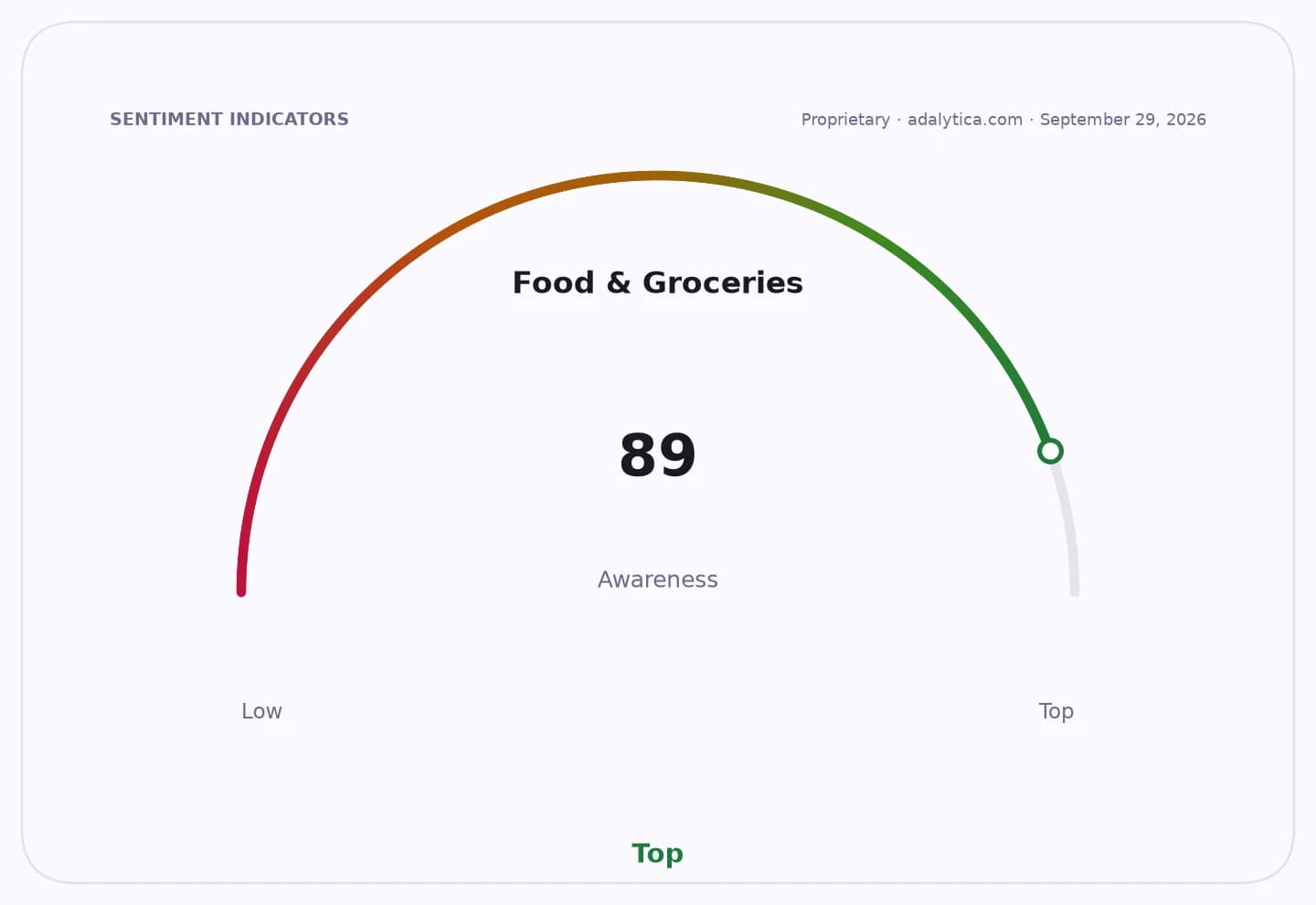
That matters because the shock does not stop at the recalled item. It can tighten supply in nearby categories, lift demand for safer alternatives and add pressure to household budgets already strained by still-elevated food inflation.
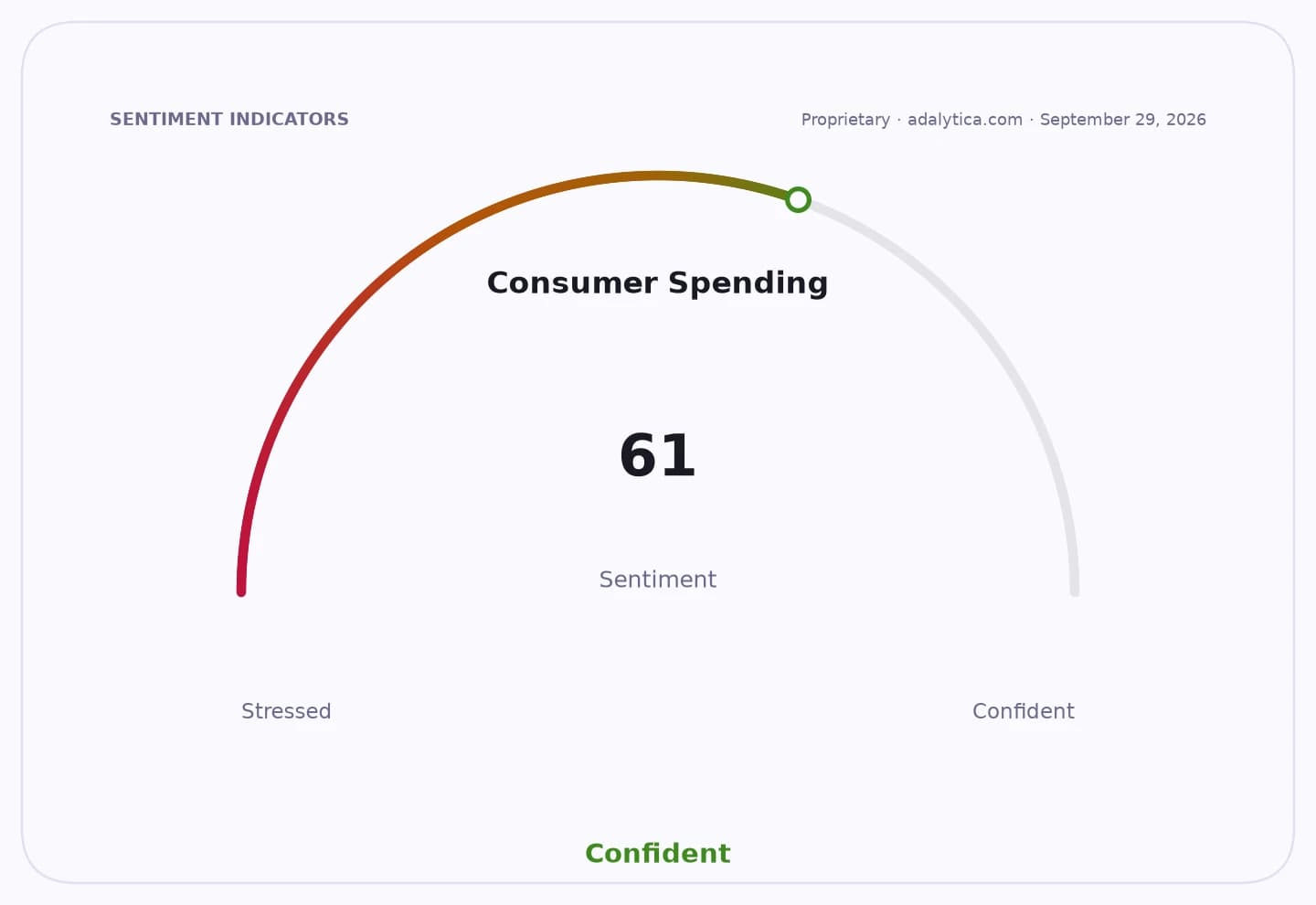
Sentiment IndicatorsⓘProprietary · adalytica.com · September 29, 2026
This is a snapshot — live sentiment, awareness and momentum for 130+ markets update continuously in the dashboard.Open AlphaPulse
The latest wave underscores the scale of the problem. The Food and Drug Administration has logged 543 food and cosmetic recalls so far in 2026, spanning fresh produce, infant formula, eggs and other staples. On Sept. 22 alone, more than 167,000 pounds of meat were recalled nationwide, while authorities also destroyed nearly 800 kilograms of food with safety violations in a separate enforcement push.
FDA data suggest the overall number of recalled food and cosmetic products is roughly average versus prior years, but the market impact can be outsized when a recall hits a product family shoppers buy regularly. A study cited in the context found that during the 2018 E. coli romaine lettuce episode, prices for safe romaine and close substitute iceberg lettuce rose for about six weeks as consumers shifted away from the contaminated product faster than supply could adjust.
That’s the key investor angle for grocery chains, food producers and food distributors: recalls can compress margins in the affected category, lift compliance and logistics costs, and change basket mix toward different brands or private-label items. Kroger, Walmart, Costco and suppliers tied to fresh food and meat are exposed not just to the recall itself, but to the ripple effect on substitution patterns and consumer trust.
The public-health cost is also part of the economic equation. Foodborne illness can trigger medical bills, missed work and additional spending on replacement groceries, which worsens the pressure on lower- and middle-income households and can alter discretionary spending elsewhere.
For shoppers, the immediate response is to check FDA and USDA recall lists, confirm batch numbers and seek refunds rather than panic-buying. For the industry, the next catalyst is whether regulators broaden enforcement and whether the latest recalls begin showing up in category pricing, inventory levels and gross margins at major grocers in coming earnings reports.
| Entity | Gains | Losses |
|---|---|---|
| Safe substitute brands | ▲Higher demand, price premiums | ▼None from recall itself |
| Grocery retailers | ▲Potential basket shifts, loyalty traffic | ▼Margin pressure, refund costs |
| Food manufacturers with recalls | ▲None | ▼Sales losses, reputation hit |
| Shoppers/households | ▲Safer options if recalls are spotted quickly | ▼Higher bills, medical costs |