Amazon is discounting a Roborock robot vacuum-and-mop combo to its lowest price yet, and that matters because smart home cleaning is turning from a premium gadget category into a mainstream household buy.
Amazon Discounts Roborock QV 35A Vacuum
The model in focus, the Roborock QV 35A, is being sold at roughly half price on Amazon, where the listing says it has already been bought 4,000 times. For shoppers, that is a straightforward win: a machine with 8,000 Pa suction, an all-in-one docking station, obstacle detection, mapping, anti-tangle brushes and app controls is suddenly competing with products that often cost around 600 euros. In other words, a category that used to feel expensive is getting a lot more accessible.
Sentiment IndicatorsⓘProprietary · adalytica.com · September 6, 2026
This is a snapshot — live sentiment, awareness and momentum for 130+ markets update continuously in the dashboard.Open AlphaPulse
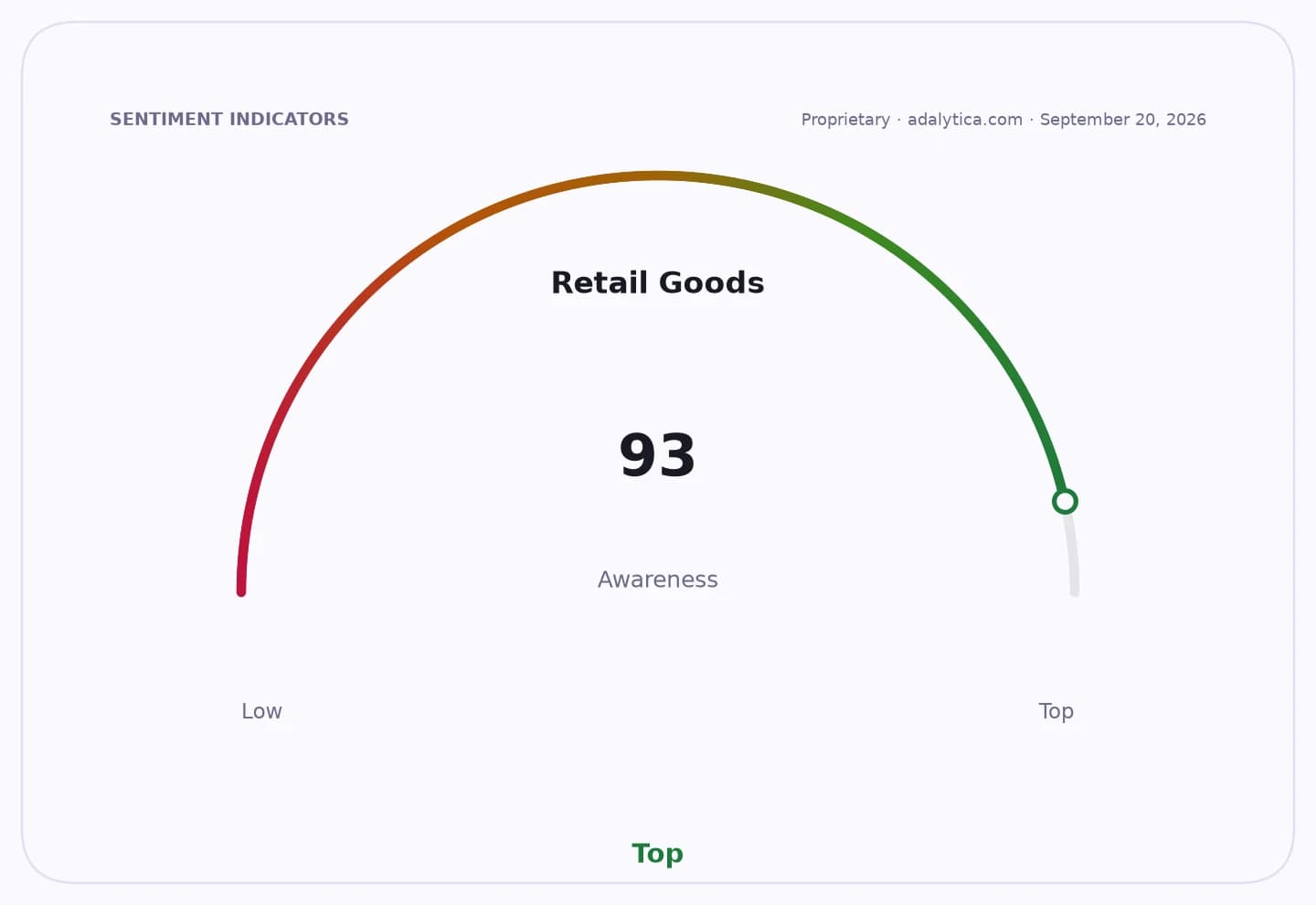
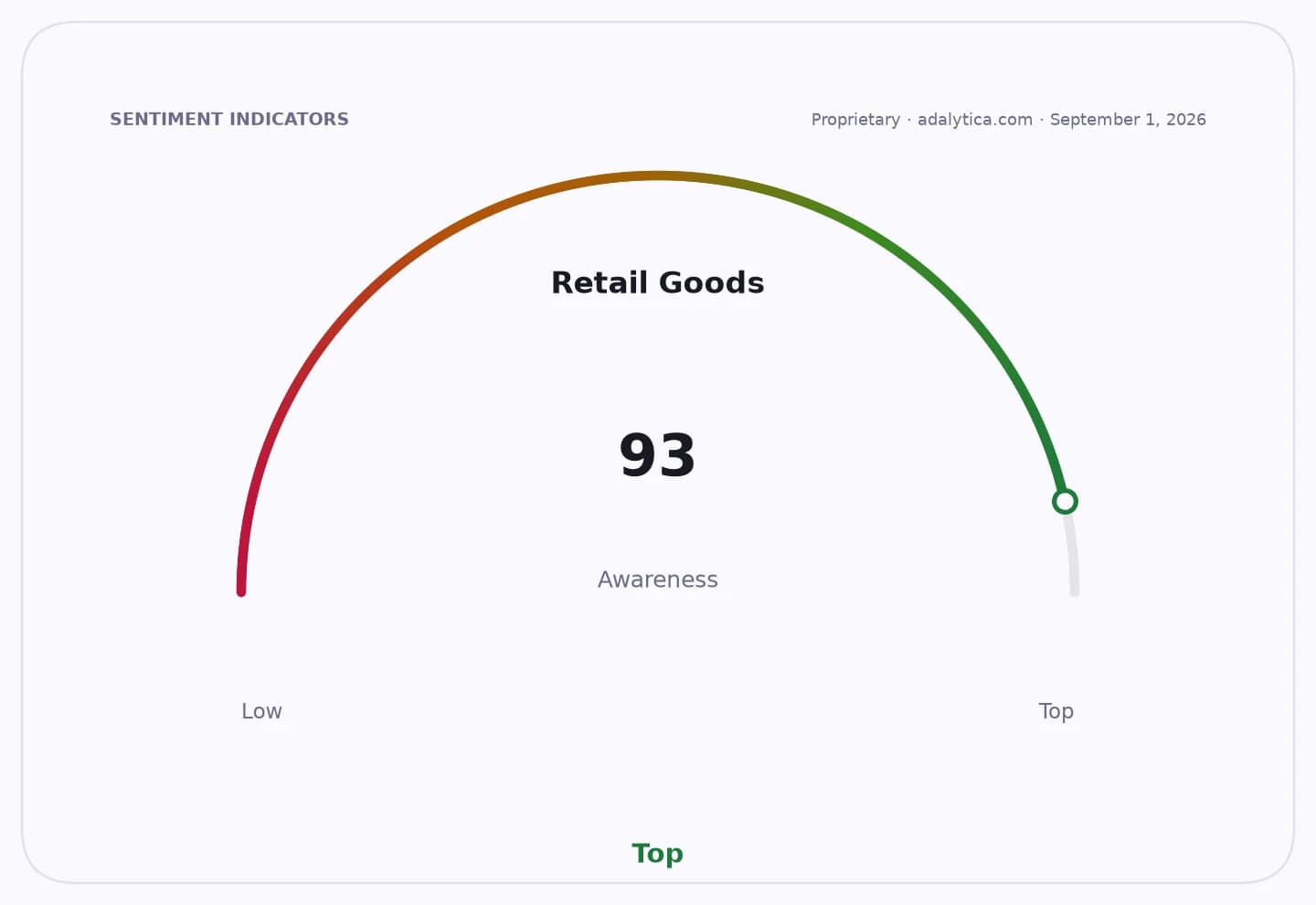
That price cut matters economically because it shows how fast consumer-tech discounts can pull demand forward. When a product moves from “nice to have” to “can buy now,” unit sales can spike even if broader retail spending is still under pressure. Adalytica’s Consumer Spending Sentiment snapshot currently sits at 26, in “Fear,” while Retail Goods Spending Sentiment is 22, also in “Fear,” which helps explain why shoppers are hunting for value and why Amazon’s deal page is resonating.
For Amazon, the bigger story is not just one vacuum sale. It is the platform’s ability to concentrate demand around recognizable bestsellers, turning price transparency and convenience into a traffic engine. That helps Amazon defend its position against smaller e-commerce rivals and keeps third-party marketplace activity flowing, even as consumers stay cautious. The stock itself has been resilient, with Amazon recently trading around $258.51, above its 50-day moving average of $253.95 and well above its 200-day average of $239.12, suggesting investors are still paying up for its scale and cash-generating ability.
For long-term investors, the key takeaway is that this is what retail dominance looks like in practice: not just selling products, but steering attention, conversion and repeat purchasing around trusted names. Robot vacuums, air fryers, sneakers and home essentials all fit the same playbook. If Amazon keeps winning the value-to-convenience tradeoff, that supports its marketplace moat and its broader retail-adjacent ecosystem.
The risks are familiar: prices can change fast, margins on heavily promoted items can be thin, and consumer demand can soften if households pull back further. But for investors thinking in years rather than weeks, deal-driven traffic remains an important signal that Amazon still owns the digital shopping aisle. Worth watching, and for patient investors, still one to keep on the long-term list.
| Entity | Gains | Losses |
|---|---|---|
| Amazon shoppers | ▲Record-low prices | ▼Higher sticker prices |
| Amazon | ▲Traffic and conversions | ▼Margin on the deal item |
| Roborock | ▲Brand visibility and volume | ▼Short-term discounting |
| Smaller vacuum rivals | ▲— | ▼Attention and price competitiveness |