Amazon is rolling out software that lets its Trainium AI chips run PyTorch code with a single configuration change, a move aimed squarely at Nvidia’s software moat and at lowering the barrier for developers to switch cloud workloads to Amazon’s in-house silicon.
Amazon TorchNeuron Makes Trainium Easier to Use

The tool, called TorchNeuron, will be released as free, open-source software and is set to be announced at Amazon’s developer conference in Silicon Valley on Monday, according to Annapurna Labs, the company’s chip arm. Amazon says developers will not need to rewrite code, removing one of the biggest frictions that has kept Nvidia chips at the center of AI computing.
Sentiment IndicatorsⓘProprietary · adalytica.com · October 23, 2026
This is a snapshot — live sentiment, awareness and momentum for 130+ markets update continuously in the dashboard.Open AlphaPulse

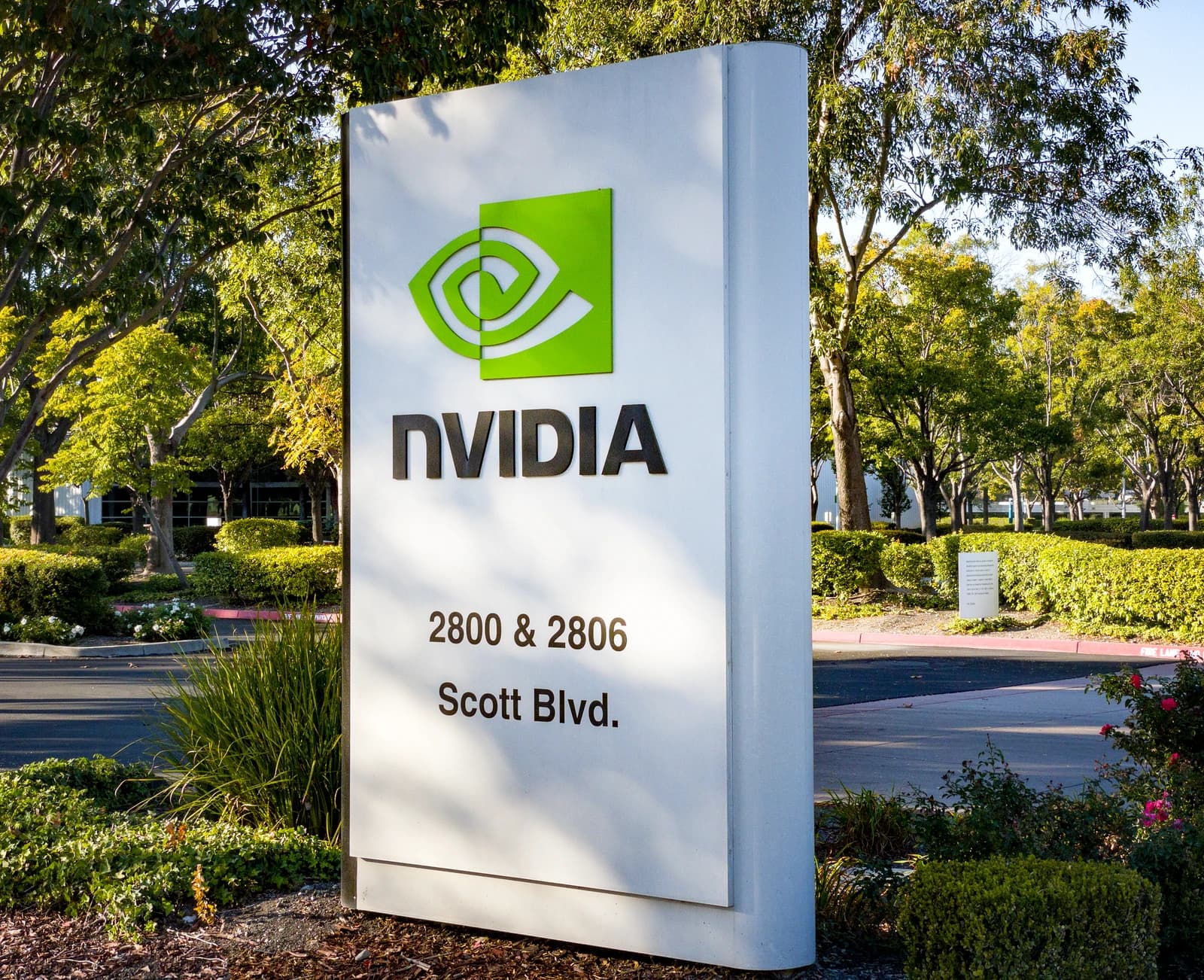
That matters because PyTorch is the dominant framework used by most AI developers, while Nvidia has spent years building CUDA into the default software layer for its GPUs. If Amazon can make Trainium easier to adopt, it can pressure Nvidia not just on chip pricing but on the ecosystem advantage that has helped keep customers locked in.
Amazon said more than 30 early customers, including companies working on robotics, world models and voice AI, are already using the software. Colin Brace, vice president of software for Annapurna Labs, said the goal is to reduce the number of steps AI developers need to take and that switching to Amazon’s chips can bring steep cost savings.
The push lands as cloud giants intensify the fight over AI infrastructure. Google has also been trying to lure developers away from Nvidia with better PyTorch support, while Microsoft has been promoting its own AI chips as hyperscalers seek more control over supply, pricing and margins in a market where demand for training and inference remains huge.
For investors, the development reinforces a broader risk for Nvidia: the more cloud providers make their custom chips easier to use, the harder it becomes for the company to preserve its premium and its share of future AI workloads. Amazon, meanwhile, is trying to turn chip design into a margin lever across its cloud business, where cheaper in-house silicon could improve economics if adoption scales.
Nvidia’s stock has been volatile as the market weighs long-term AI demand against rising competition, while Amazon shares have been trying to hold above key technical levels after recent swings. The next test will be whether Amazon can convert developer interest into meaningful Trainium usage, and whether rivals respond with faster software releases and deeper discounts.
| Entity | Gains | Losses |
|---|---|---|
| Amazon | ▲Easier Trainium adoption | ▼Less cloud chip dependence |
| Nvidia | ▲— | ▼Software moat under pressure |
| AI developers | ▲Lower switching friction | ▼Less CUDA lock-in |
| Cloud rivals | ▲Validation for custom chips | ▼Need faster ecosystem tools |