Adobe and NVIDIA are deepening their AI tie-up to make creative software faster, from Photoshop and Premiere to Frame.io and enterprise customer experiences, in a move that underscores how major software makers are racing to turn generative AI into a concrete productivity tool rather than a feature demo.
Adobe and NVIDIA expand AI partnership
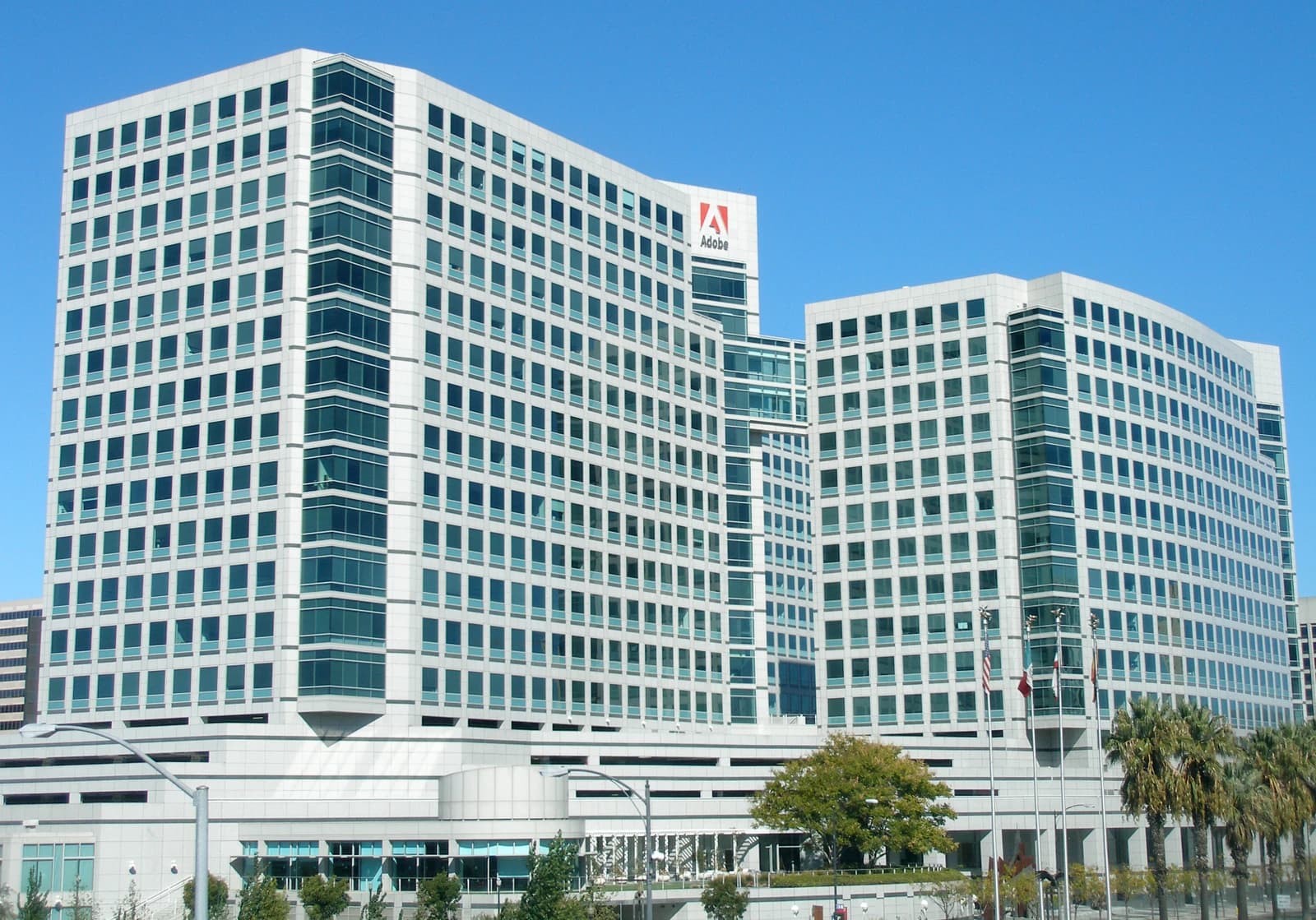
The expansion matters because it ties Adobe’s subscription software more tightly to NVIDIA’s accelerated computing stack at a time when content creation, video production and digital marketing are becoming more compute-intensive. If the companies deliver on the claim of up to 2x faster AI processing in core creative apps, and materially lower latency in cloud media workflows, Adobe can make its products stickier for professionals while NVIDIA extends its reach deeper into enterprise software beyond data centers and model training.
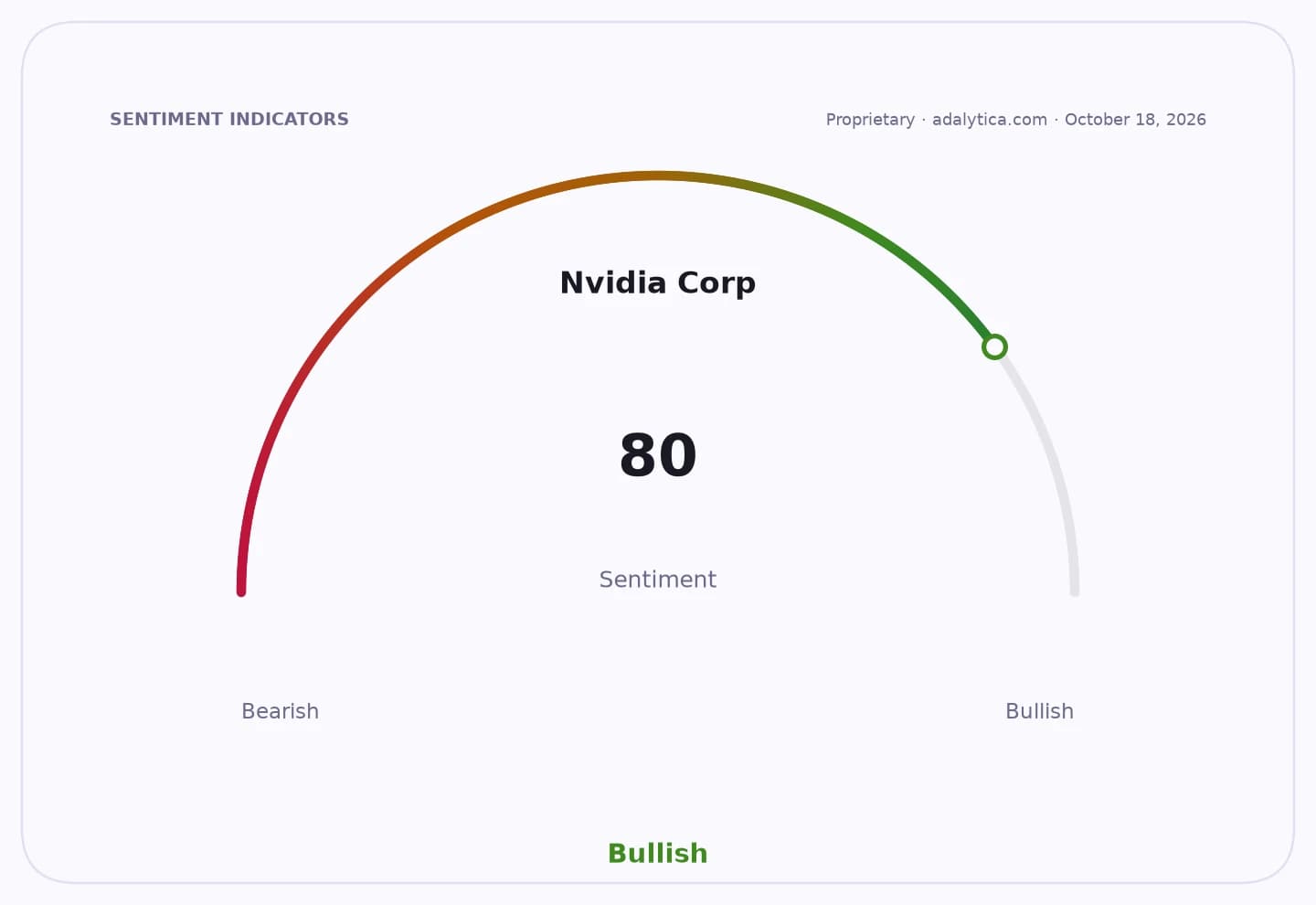
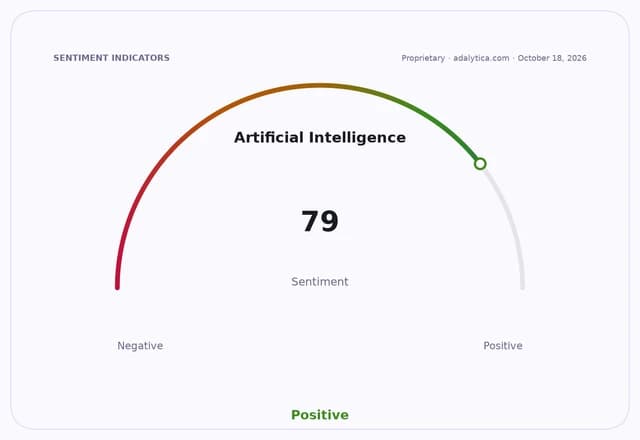
Sentiment IndicatorsⓘProprietary · adalytica.com · October 18, 2026
This is a snapshot — live sentiment, awareness and momentum for 130+ markets update continuously in the dashboard.Open AlphaPulse
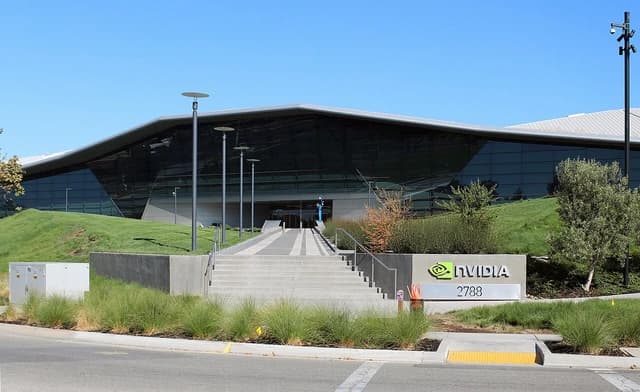
For Adobe, the partnership is aimed at defending and monetizing its installed base across Photoshop, Premiere, Substance 3D, Frame.io and Brand Concierge. The company said Photoshop, Premiere and Substance 3D are being optimized for NVIDIA RTX Spark, a compact AI computing platform, with GPU acceleration designed to improve responsiveness for tasks such as compositing, speech enhancement, masking, color grading and texture generation. That is strategically important for a business where workflow speed can influence renewal rates, upsells and adoption of higher-tier plans.
The Frame.io changes could prove even more commercially relevant. Adobe said early tests on selected transcoding and search workloads showed about five times faster embedding generation, a four-to-five-fold improvement in 95th-percentile processing latency and search proxies about 80% smaller. In plain terms, production teams should be able to search footage sooner and manage larger libraries more efficiently, an operational gain that can matter in film, advertising and sports production, where time-to-edit is money.
The partnership also shows Adobe leaning further into AI-driven customer experience tools. Brand Concierge, which helps businesses run conversational interactions, will be optimized with NVIDIA Nemotron open models, with enterprise availability expected later in 2026. NVIDIA will also use Brand Concierge on its own site. That gives Adobe a reference customer and broadens the pitch from creative professionals to enterprise marketing and service teams, where AI adoption is increasingly tied to measurable productivity gains.
For NVIDIA, the deal reinforces a broader strategy: make its chips and software stack essential not just for hyperscale AI model builders but for everyday enterprise workflows. The company has been trying to push CUDA, TensorRT and its RTX platforms into applications that sit closer to revenue generation than infrastructure alone. Adobe is a high-profile validation of that effort, and it helps NVIDIA show that AI spending is spreading from training clusters into real-world software usage.
Investors are likely to view the announcement as supportive for both names, though in different ways. For NVIDIA, it adds another use case that can sustain demand for its accelerated computing ecosystem; for Adobe, it supports the argument that AI features can improve retention and justify pricing power even as the stock has been under pressure this year. Adobe shares remain well below their 2025 highs, while NVIDIA has also seen volatility as markets reassess the durability and breadth of AI spending.
The risk is that the partnership’s benefits are more incremental than transformative. Faster workflows are attractive, but enterprise buyers will still judge them on cost, reliability and integration, not headline speed claims. Adobe also faces a broader challenge common to software vendors in the AI era: proving that AI features can lift revenue faster than they raise infrastructure and model costs. NVIDIA, meanwhile, must show that its growth is not limited to a small set of marquee AI infrastructure customers.
Even so, the direction of travel is clear. Creative software is moving toward AI-assisted, GPU-accelerated production pipelines, and the Adobe-NVIDIA alliance is trying to make that shift feel less experimental and more operational. The key catalyst now is whether the companies can turn the promised speed gains into higher enterprise adoption ahead of Adobe MAX in November and later 2026 product releases.
| Entity | Gains | Losses |
|---|---|---|
| Adobe | ▲Stickier creative software | ▼Higher AI infrastructure costs |
| NVIDIA | ▲Broader software demand | ▼Dependence on AI spending cycles |
| Creators / Production teams | ▲Faster editing and search | ▼Less advantage from legacy workflows |
| Competitors | ▲Pressure to match AI performance | ▼Loss of differentiation |