Zesty has introduced a Kubernetes agent for NVIDIA GPUs that aims to squeeze more work out of expensive AI hardware, a sign that the next battleground in artificial intelligence infrastructure is shifting from simply buying more chips to using them more efficiently.
NVIDIA GPU Fractioning Tool Debuts in Kubernetes
The launch, called Automated Fractional GPUs, comes as cloud and enterprise operators continue to grapple with erratic AI demand, where idle GPU memory can sit unused under static allocations while other workloads are starved of capacity. That matters economically because GPUs remain one of the most constrained and costly inputs in AI infrastructure, and even modest gains in utilization can defer new capital spending, improve cloud gross margins and lower the cost of serving inference and training workloads.
Zesty’s tool sits on top of Kubernetes and NVIDIA’s GPU Fractioning Operator, which NVIDIA open-sourced on Oct. 13 as part of CUDA 13.4. NVIDIA said the operator brings CUDA-native GPU fractions into Kubernetes and is scheduler-agnostic, while the CUDA driver sets a firm memory ceiling for each workload. Zesty says its agent goes a step further by deciding which workloads share a GPU, how memory is distributed and when allocations should change as demand shifts.
That pitch speaks directly to the economics of AI clusters. Kubernetes has become a standard orchestration layer for AI operations — the Cloud Native Computing Foundation said 66% of organizations hosting generative AI models use it for at least some inference workloads — but many teams still leave performance and capacity on the table because workloads are not evenly matched over time. If Zesty can make fractional sharing dependable in production, operators could run more models on existing hardware, reduce overbuying and stretch the useful life of expensive NVIDIA systems.
The announcement also fits NVIDIA’s broader push to make its stack more software-friendly as AI infrastructure matures. NVIDIA has been opening up more of its CUDA ecosystem and, in recent filings, said it had introduced a new business model with select AI cloud partners to broaden access to its data center products. That approach helps preserve the company’s hardware pull while making its platform stickier, especially as customers look for ways to manage rising AI infrastructure bills.
For investors, the immediate implication is not that NVIDIA demand is fading, but that the market is moving from scarcity-driven buying toward optimization-driven spending. That is usually good for software vendors that help extract more throughput from existing GPUs, but it can cut both ways for hardware suppliers if customers delay incremental purchases. The bear case is that better sharing lowers near-term incremental demand for new accelerators; the bull case is that efficiency unlocks more AI workloads overall, expanding total usage and keeping the installed base busy.
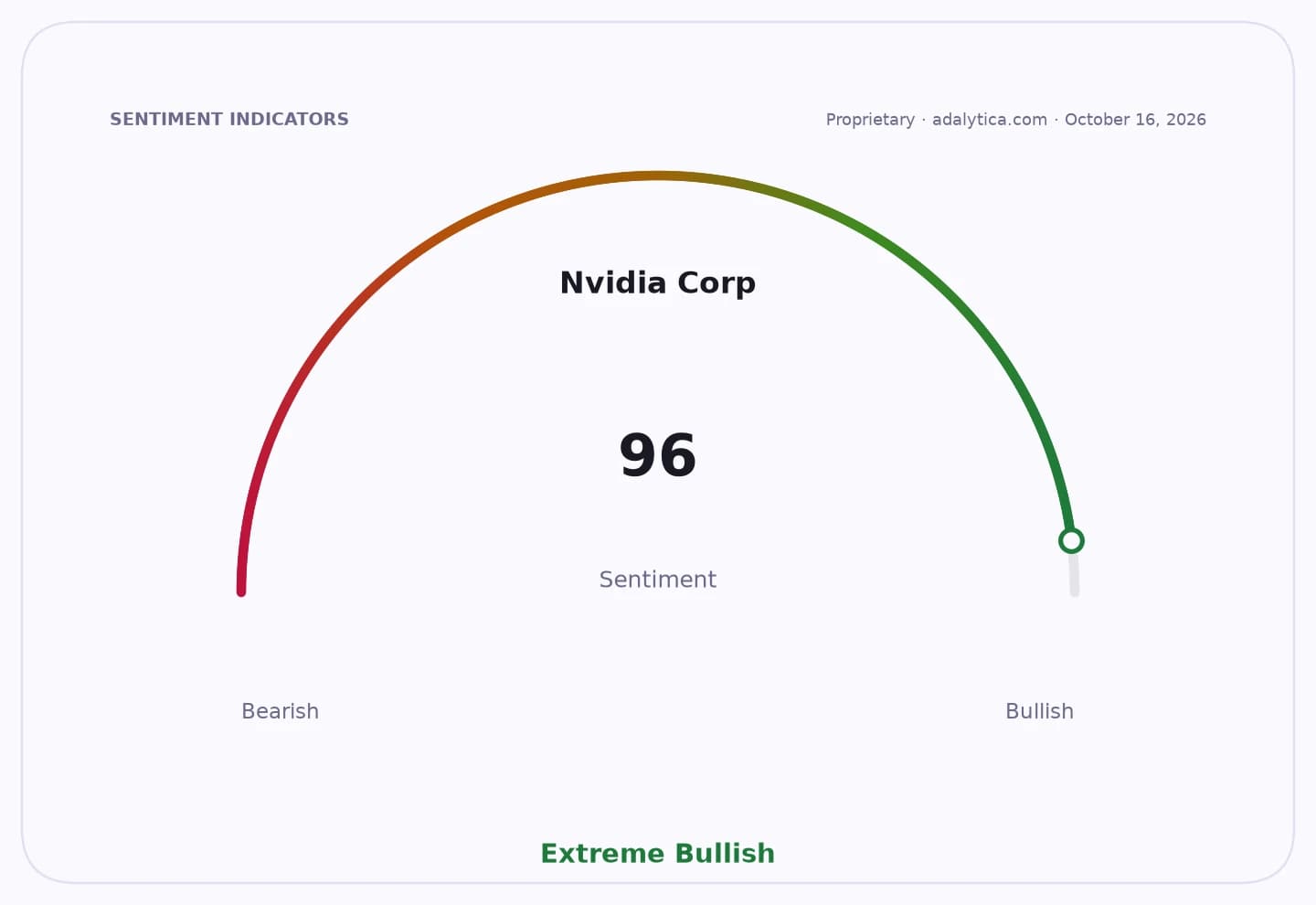
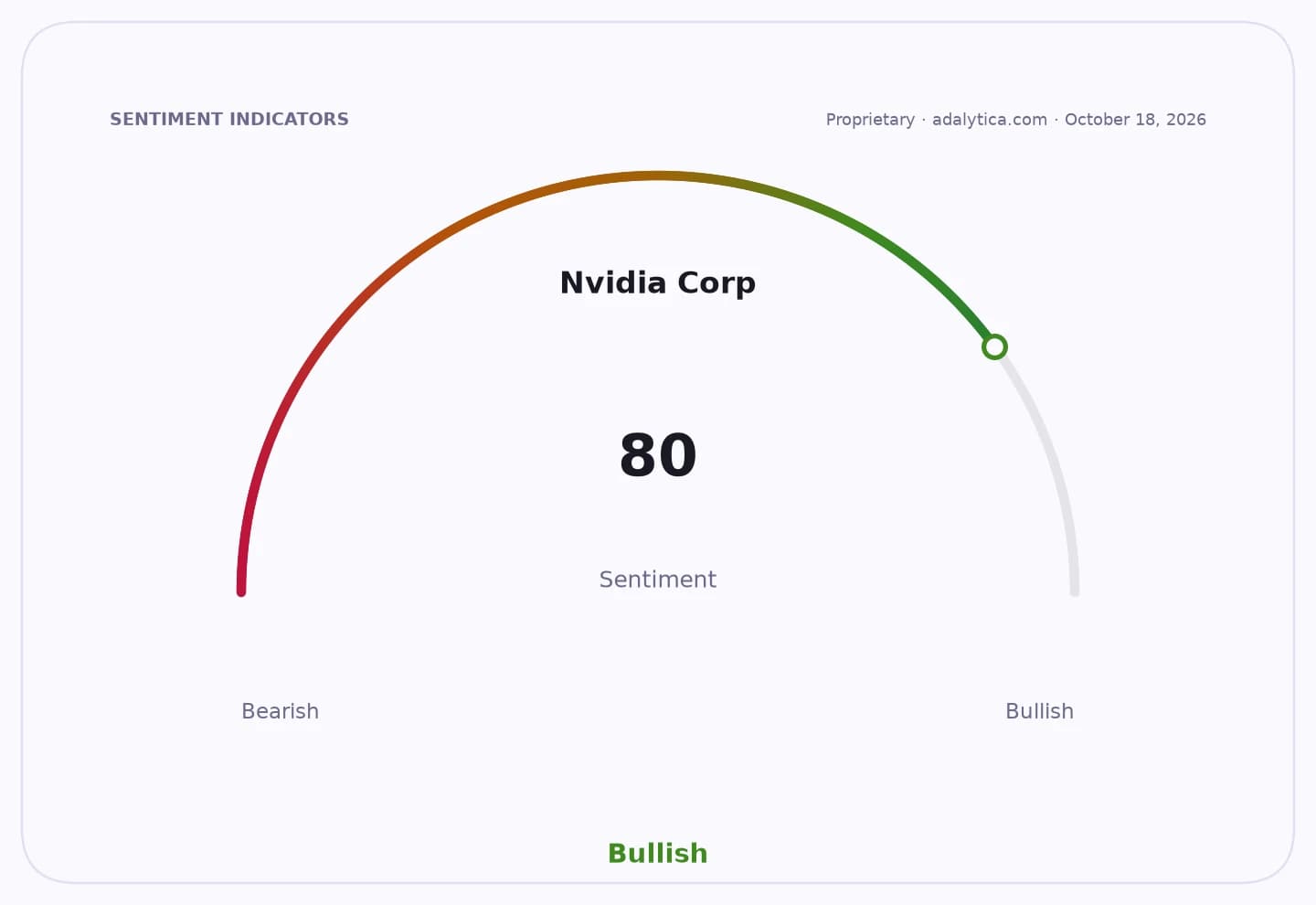
NVIDIA’s shares have recently shown more technical strain, with the stock closing at $214.13 on Oct. 16, below its 50-day moving average of $222.96 and near the lower end of its Bollinger Band range, while the RSI had eased to 32.9, suggesting the rally had cooled after an earlier surge. Microsoft, another key buyer of AI infrastructure, closed at $529.05 on the same day, still above its 50-day average of $505.37, underscoring that hyperscaler spending remains robust even as operators seek ways to make every accelerator count.
The longer-term question is whether automated GPU fractioning becomes a standard feature of AI infrastructure or remains a niche tool for sophisticated operators. If adoption widens, it would favor orchestration software, cloud platforms and chip vendors that can support finer-grained sharing. If it stalls, the market will keep treating GPU utilization as a company-specific engineering problem rather than a structural shift in AI economics.
| Entity | Gains | Losses |
|---|---|---|
| Zesty | ▲More demand for its platform | ▼Less if NVIDIA native tools suffice |
| NVIDIA | ▲Stickier CUDA ecosystem | ▼Possible slower incremental GPU sales |
| Kubernetes operators | ▲Higher GPU utilization | ▼More operational complexity |
| Competitors without sharing tools | ▲Less immediate pressure | ▼Lost efficiency advantage |