Amazon, Walmart and Target are heading into the holidays with stock charts that look stronger than the mood on Main Street, but the gains hide a catch: investors are being forced to weigh resilient sales against the risk that promotions, returns and shipping costs squeeze margins.
Amazon, Walmart and Target Holiday Margin Risk

The retail trio has been among the clearest beneficiaries of a consumer that is still spending, even if sentiment is uneven. Walmart closed at $132.31 on Nov. 24, up from $127.95 three trading days earlier, while Target jumped to $176.06 from $165.83 and Amazon rose to $252.29 from $246.82 over the same stretch.
Sentiment Indicators
That strength matters because the holiday quarter is the most important period for U.S. retailers and the one most likely to expose whether demand is being financed by heavier discounting. Amazon’s 10-Q warned that retail demand can swing with seasonality and promotions, while also noting overstocking can trigger markdowns and write-offs and that shipping costs can rise when faster delivery is needed.
For Walmart, the market is still rewarding scale and grocery share gains. Its shares are above both the 50-day moving average of $117.54 and the 200-day average of $118.70, a sign the stock is holding an uptrend despite a quick cooldown from November highs.
Target has had the sharpest move, with the stock now well above its 50-day average of $156.60 and 200-day average of $136.75. But the move also leaves less room for disappointment if holiday returns climb or if discounting needed to protect traffic trims already-thin profitability.
Amazon’s setup is more balanced after a volatile year. The stock is close to its 50-day average of $255.15 and above its 200-day average of $245.59, while RSI readings near 41 suggest the latest pullback has eased some of the overbought pressure seen earlier in the quarter.
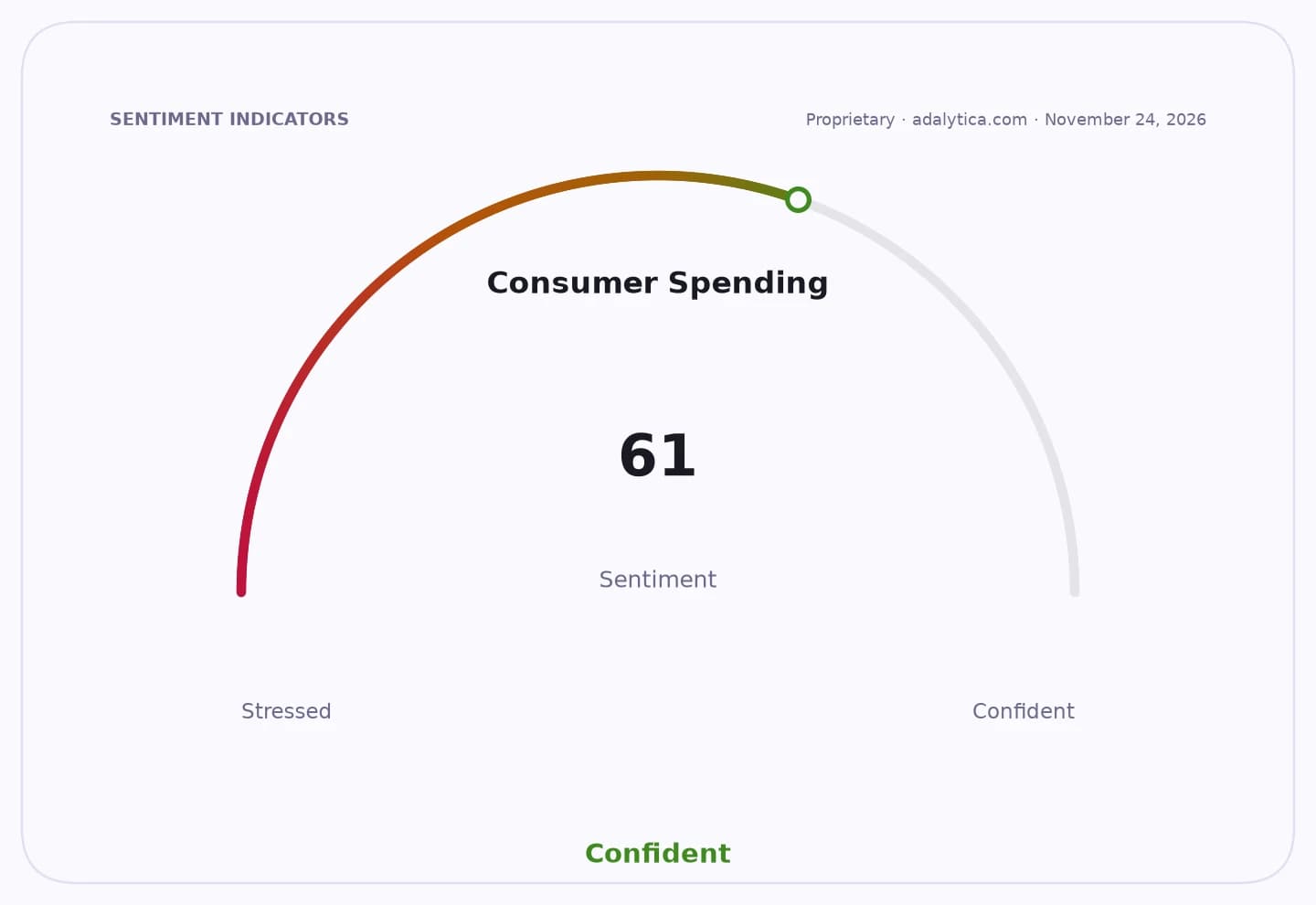
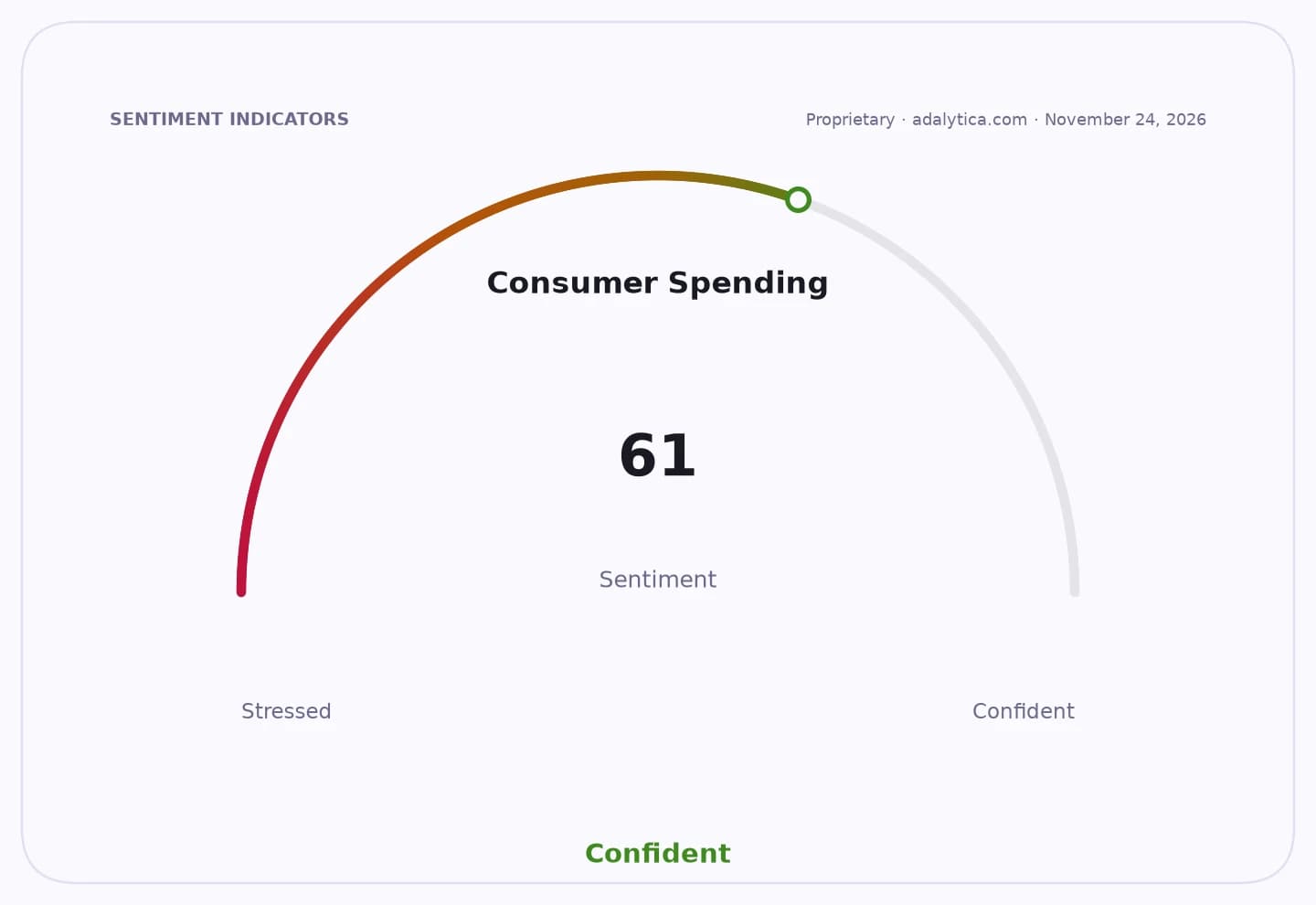
Sentiment data from Adalytica.com shows Walmart is drawing extreme attention but only a Fear reading of 29, while broader consumer-spending sentiment sits at 61, suggesting investors are still open to holiday upside but are wary of how much of the season’s revenue will come at the expense of margins.
The key catalyst now is whether holiday sales reports, return rates and management commentary confirm that top-line momentum is holding without a deeper hit to profitability. If promotions intensify, the winners may be shoppers and market-share leaders; if demand stays firm with limited markdown pressure, the retailers’ recent gains could extend into year-end.
| Entity | Gains | Losses |
|---|---|---|
| Walmart | ▲Holiday traffic and scale | ▼Margin pressure from promotions |
| Target | ▲Return-driven trading momentum | ▼Earnings if markdowns rise |
| Amazon | ▲Top-line growth and Prime volume | ▼Shipping and fulfillment costs |
| Consumers | ▲Lower prices and more choices | ▼Fewer deals if retailers tighten inventory |