Holiday returns are set to boost convenience retailers and e-commerce giants, but the real story is that the cost of servicing those sales is rising just as consumers grow more selective.
Amazon, Walmart, Target Face Holiday Return Costs

That matters because the strongest holiday season winners may not be the ones with the biggest topline pop, but the ones best able to absorb the drag from free shipping, reverse logistics, markdowns and refund processing. For Amazon, Walmart and Target, returns are no longer just an operational nuisance — they are a margin test at a moment when the market is rewarding scale and efficiency more than raw volume.
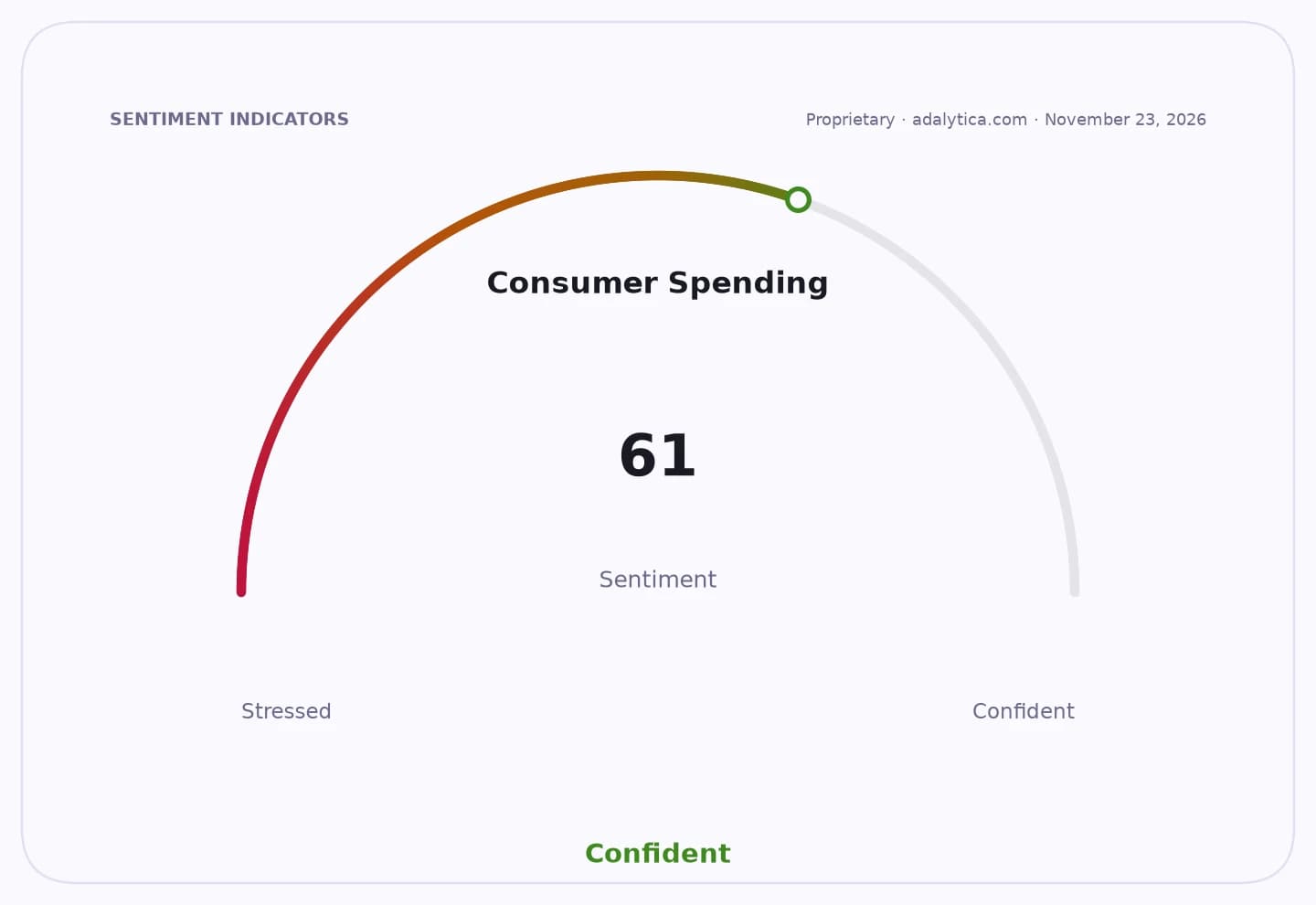
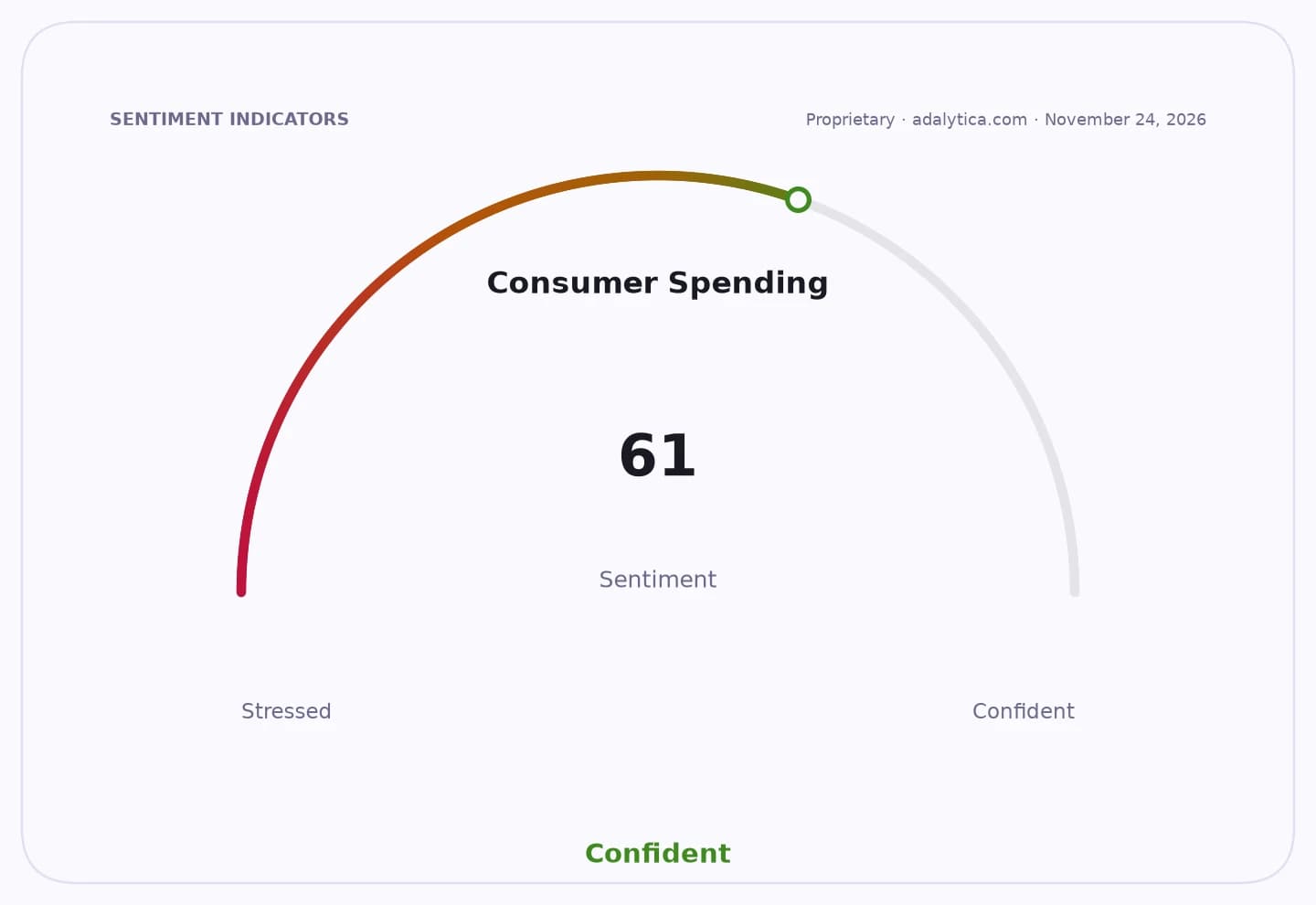
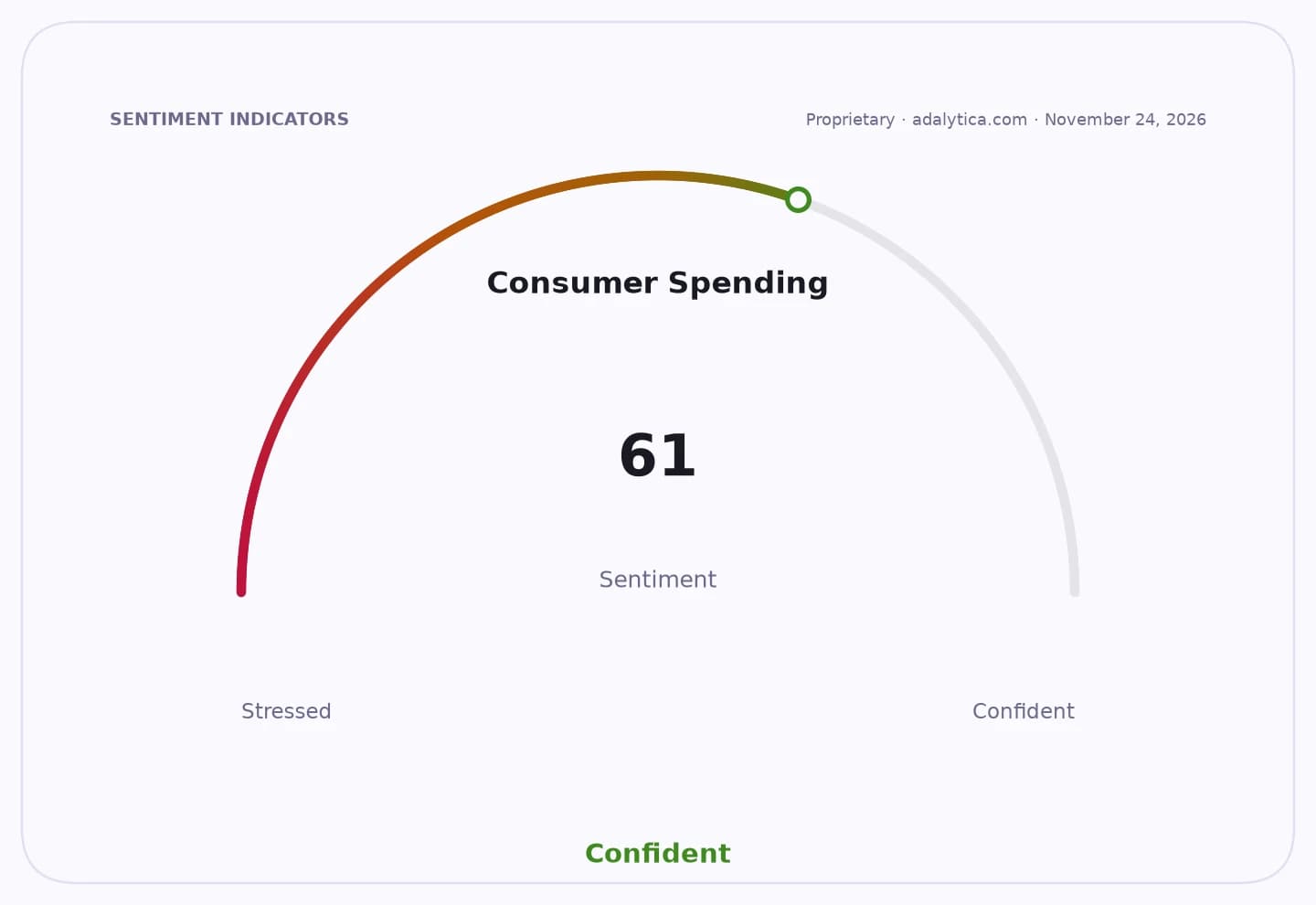
Sentiment Indicators
Amazon is the clearest example. The stock has been trading near its 50-day and 200-day moving averages after a volatile stretch, with momentum indicators easing from overbought levels, suggesting investors are already wrestling with the tradeoff between growth and profitability. The company’s latest filing warned that retail demand can swing sharply with seasonality and promotions, and that overstocking can force markdowns and write-offs. In a holiday period where returns surge, that risk becomes more than accounting fine print. Every extra package sent back, restocked or liquidated chips away at the economics of the season.
Walmart looks better positioned, but not immune. Its shares have been trending above both the 50-day and 200-day moving averages, showing the market still favors its scale and grocery-driven traffic. The stock is also sitting near the top of its recent technical range, which tells you expectations are elevated. Walmart can use its store base as a returns network, which is a structural advantage over pure online sellers, but that convenience also helps set a higher bar for execution. If the holiday return wave is heavy, the retailer that can process it most efficiently will keep the upside; the rest will hand back some of the gains in labor, logistics and pricing.
Target is the most levered to the shift in consumer behavior. The shares have rallied sharply from earlier lows and now trade well above both major moving averages, but that strength depends on more than holiday traffic — it depends on whether shoppers keep buying discretionary goods and then sending fewer of them back. Target’s filings note that merchandise sales are net of expected returns, which means the earnings lift from holiday demand can be muted if return rates remain elevated. For a retailer trying to rebuild confidence, the return cycle is a direct read on inventory discipline and customer demand quality.
The broader implication is that investors should think less about holiday sales headlines and more about return economics. The winners are increasingly the companies that turn stores into fulfillment hubs, use data to reduce over-ordering, and keep shipping and markdown costs from swallowing the benefit of higher unit volumes. That favors Amazon and Walmart on a structural basis, but only if they can keep fulfillment efficiency ahead of consumer churn.
The market is still underestimating how much holiday profit can be diluted by returns in a year when shoppers are price-sensitive and retailers are more dependent on promotions. I believe the best opportunity is not to chase the biggest sales print, but to own the retailers and logistics platforms that monetize returns rather than merely absorb them. That is where the real holiday alpha will come from.
| Entity | Gains | Losses |
|---|---|---|
| Amazon | ▲Higher order volume | ▼Return-processing costs |
| Walmart | ▲Store-based returns traffic | ▼Margin pressure from logistics |
| Target | ▲Holiday sales lift | ▼Inventory and markdown risk |
| Consumers | ▲Easier returns | ▼Less pricing flexibility from retailers |