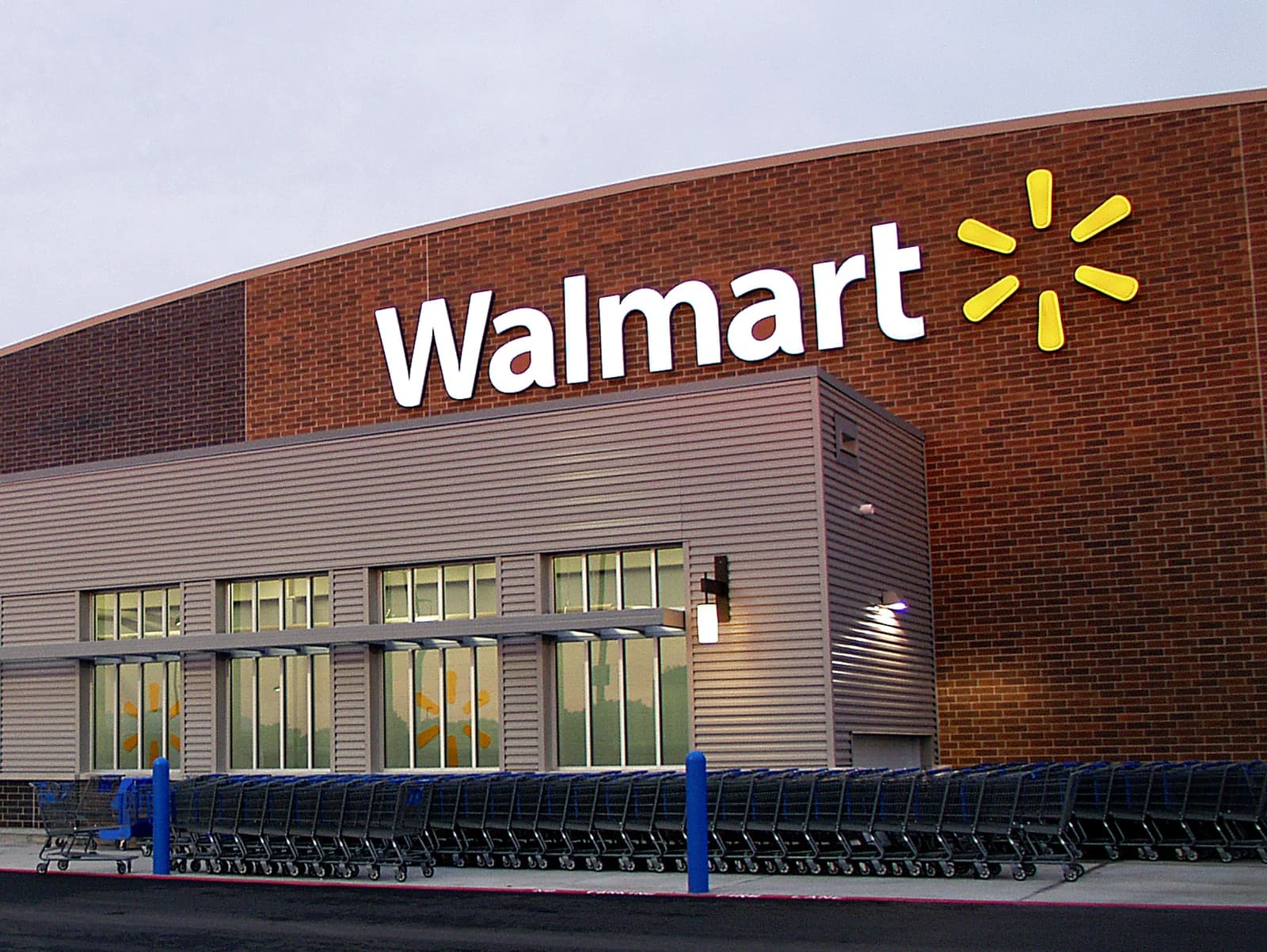
Walmart shoppers are buying more bottled water, propane and camping gear after a string of technology outages rattled consumers, a brief spike that underscores how quickly fear can drive spending at the country’s biggest retailer.
Walmart Sees Emergency-Prep Sales Rise
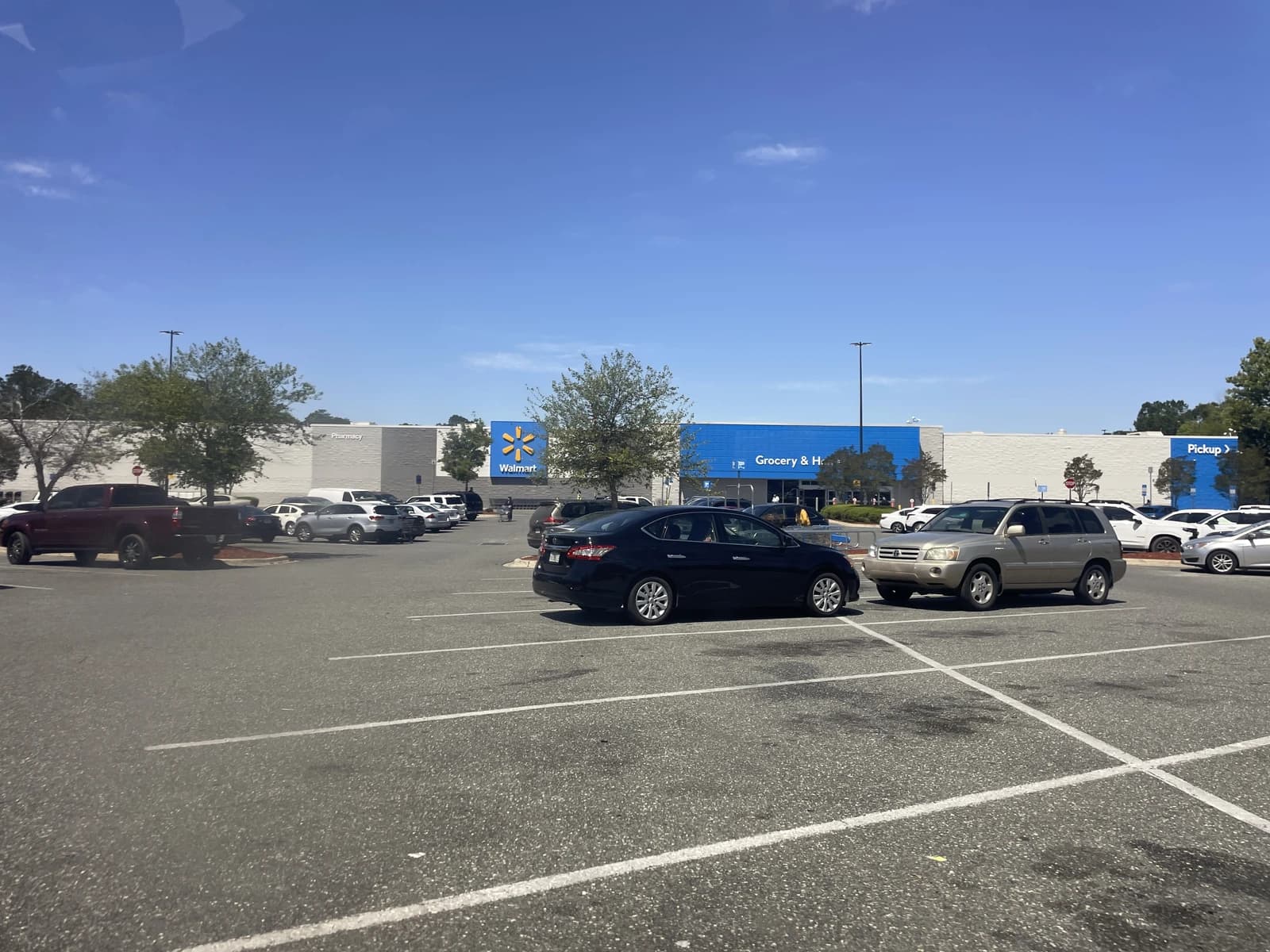
The buying is small relative to Walmart’s overall business, but it matters because it shows how fragile consumer behavior has become in an era of repeated infrastructure failures and online anxiety. When households start topping up on emergency supplies, the effect reaches far beyond one weekend of panic buying: it lifts sales of high-need staples, pulls demand forward and reinforces the role of big-box retailers as the first stop in a crisis.
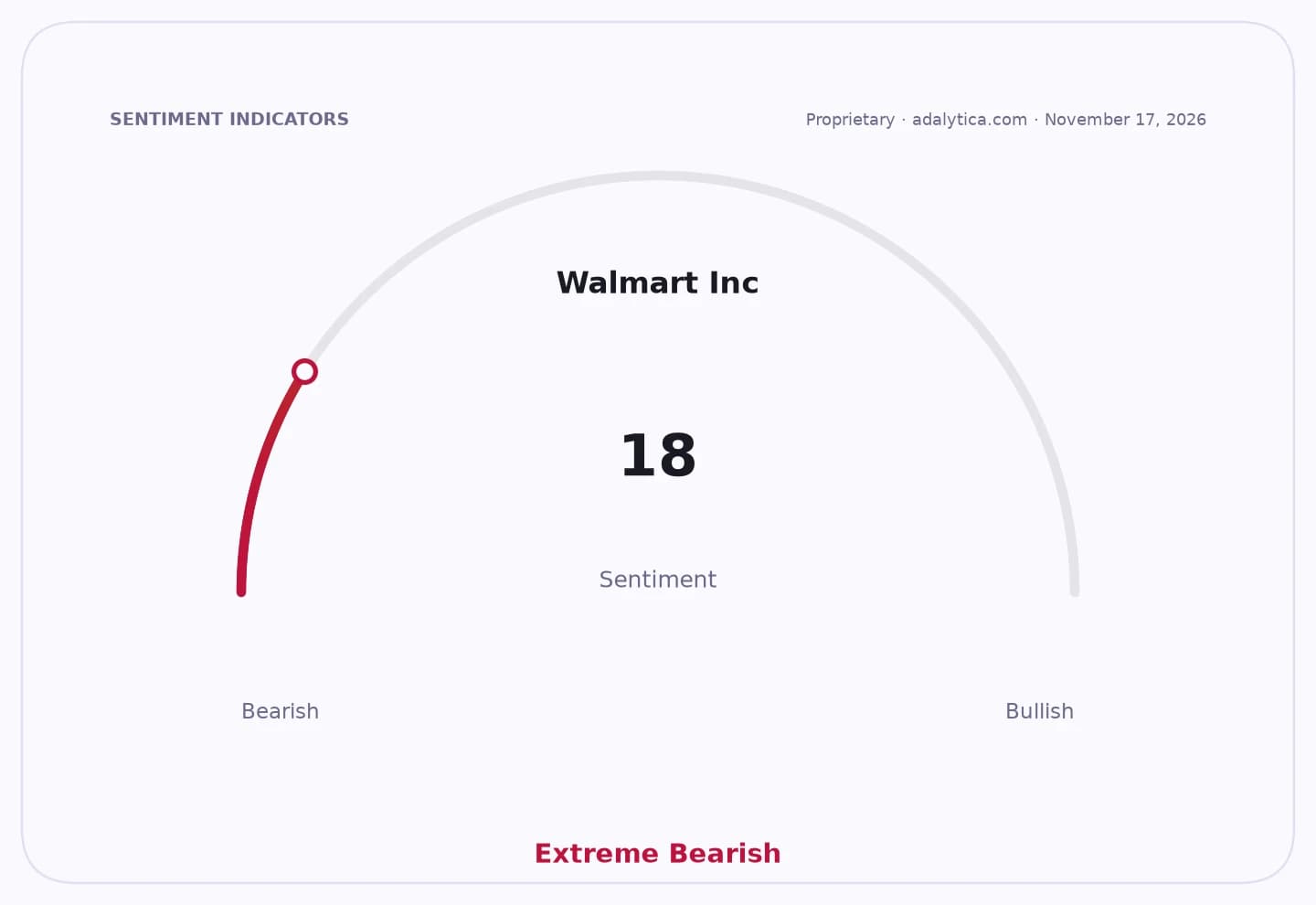
Sentiment Indicators
Consumer Spending
Walmart said the increase showed up in categories such as jug bottled water and propane, while Chief Financial Officer John David Rainey said the company often sees this kind of behavior as a pull-forward of future demand. That may sound modest, but for investors it is an important read on the spending mix heading into the holiday season. Shoppers may be cautious on discretionary goods, yet they are still willing to spend on preparedness, pantry loading and basic household resilience.
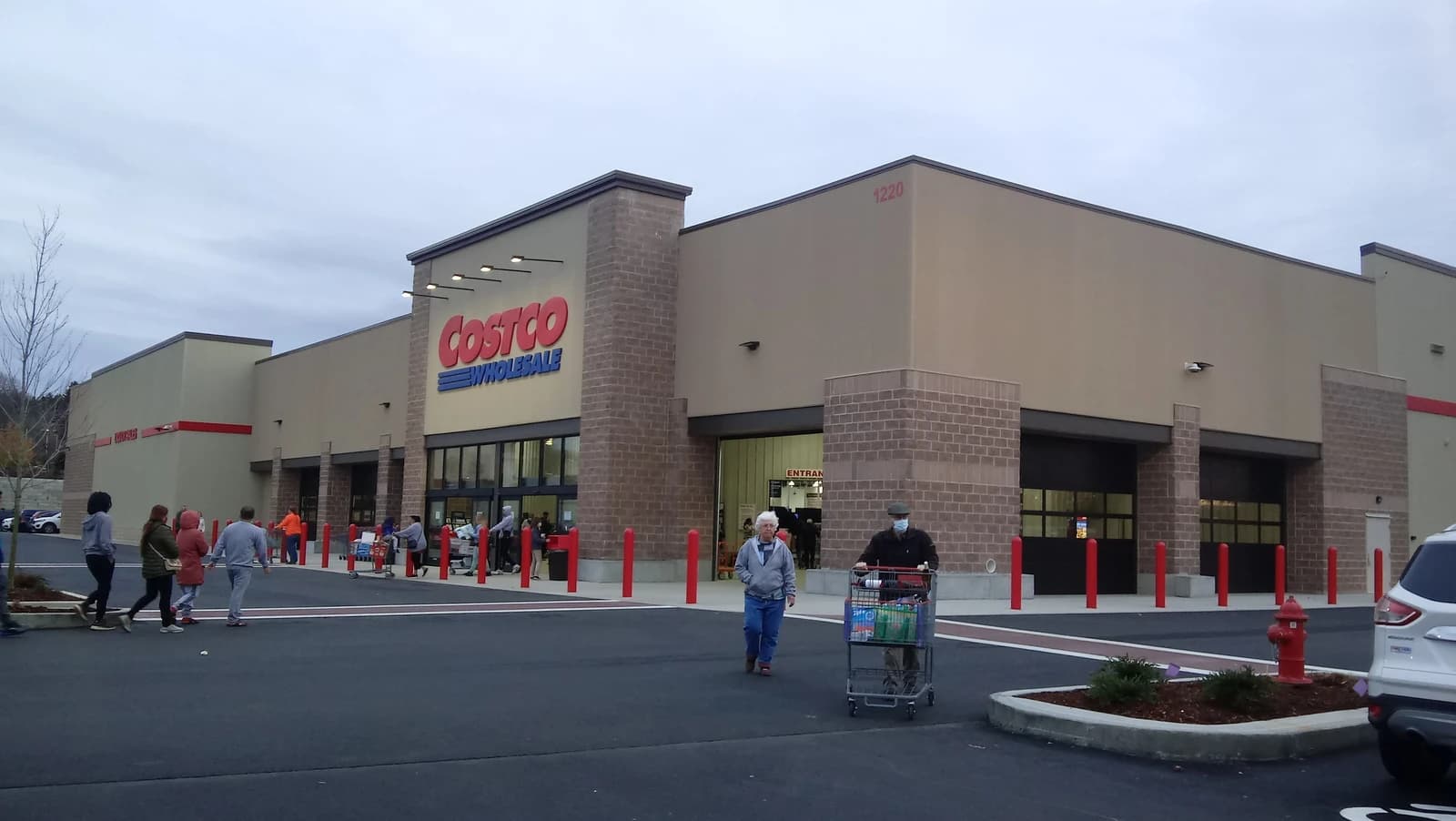
The pattern is spreading across retail. Costco and Tractor Supply have also reported stronger demand tied to emergency prep, with Mizuho Securities saying about 21 of Costco’s 26 high-ticket generators were sold out online as of Sunday night. The brokerage said Costco was on pace for rare double-digit U.S. sales growth this month, and it lifted its price target on the stock to $1,150 from $1,100. Tractor Supply, meanwhile, said generators, liquid storage tanks and propane accessories are trending higher, with those items now growing faster than the rest of its product mix.
That matters because it exposes a new pocket of resilience in U.S. consumer spending. The market has been focused on whether shoppers can keep up with inflation, higher borrowing costs and a softer labor backdrop. What this episode suggests is that even in a weak sentiment environment, fear-based and preparedness spending can create outsized demand for a narrow set of products and the retailers that dominate them.
Walmart remains the clearest beneficiary because of its scale, logistics and value positioning, but the bigger opportunity may be in the second-order winners: Costco, Tractor Supply and other chains selling bulk staples, home backup power and outdoor equipment. The companies best positioned for this trade are not the flashiest names in retail; they are the ones that sell necessity, redundancy and storage.
Walmart also raised its annual sales and profit forecast on Thursday, a reminder that the company enters the holiday period with momentum beyond the emergency-prep theme. On the stock chart, Walmart has recovered sharply from earlier weakness, and standard technical indicators show the shares trading well above the 50-day and 200-day moving averages even after recent consolidation. That reflects a market willing to pay up for defensive growth and operating leverage, especially as investors look for companies that can still raise guidance while preserving traffic.
My view is simple: the market is underestimating how durable preparedness spending can be in a world of recurring outages, cyber disruption and geopolitical strain. This is not just a one-off retail anecdote. It is a signal that consumers are willing to spend for resilience, and that creates a durable tailwind for the retailers, infrastructure suppliers and backup-power brands tied to it.
If you want exposure, lean into the names with the strongest positions in staples, bulk buying, generators and rural resilience. In a nervous consumer market, the winners are the companies that sell peace of mind.
| Entity | Gains | Losses |
|---|---|---|
| Walmart | ▲Emergency-supply sales boost | ▼Limited benefit from small category mix |
| Costco | ▲Generator and bulk-essentials demand | ▼Inventory depletion in hot items |
| Tractor Supply | ▲Higher sales of prep gear | ▼Less discretionary mix growth |
| Consumers | ▲Access to resilience products | ▼More precautionary spending |