Food retailers are heading into the crucial holiday stretch with consumers still spending, but far more selectively, as inflation and budget stress push shoppers toward bargains, private label and value-led bulk buying.
Costco, Walmart, Kroger on Holiday Grocery Spending
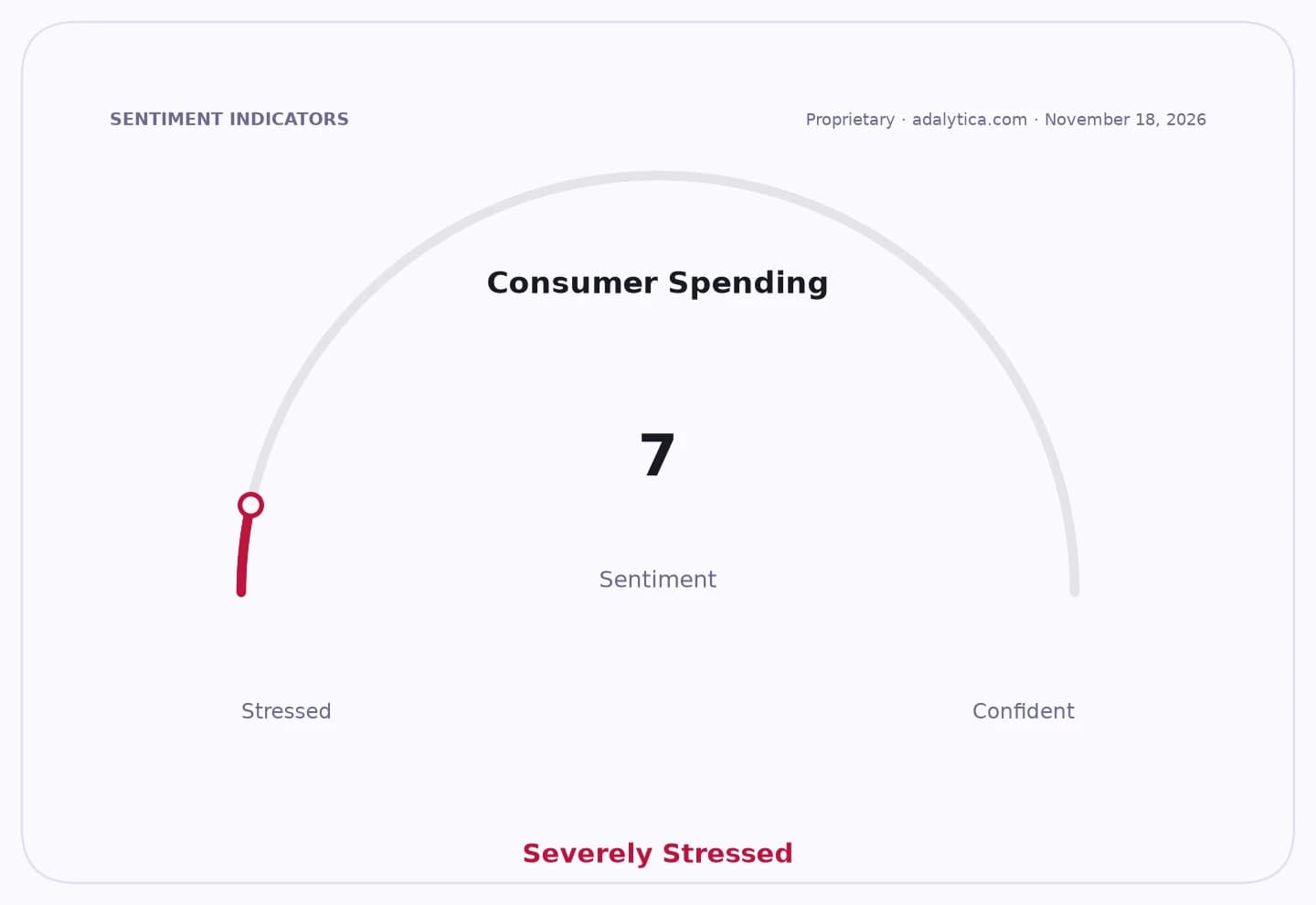
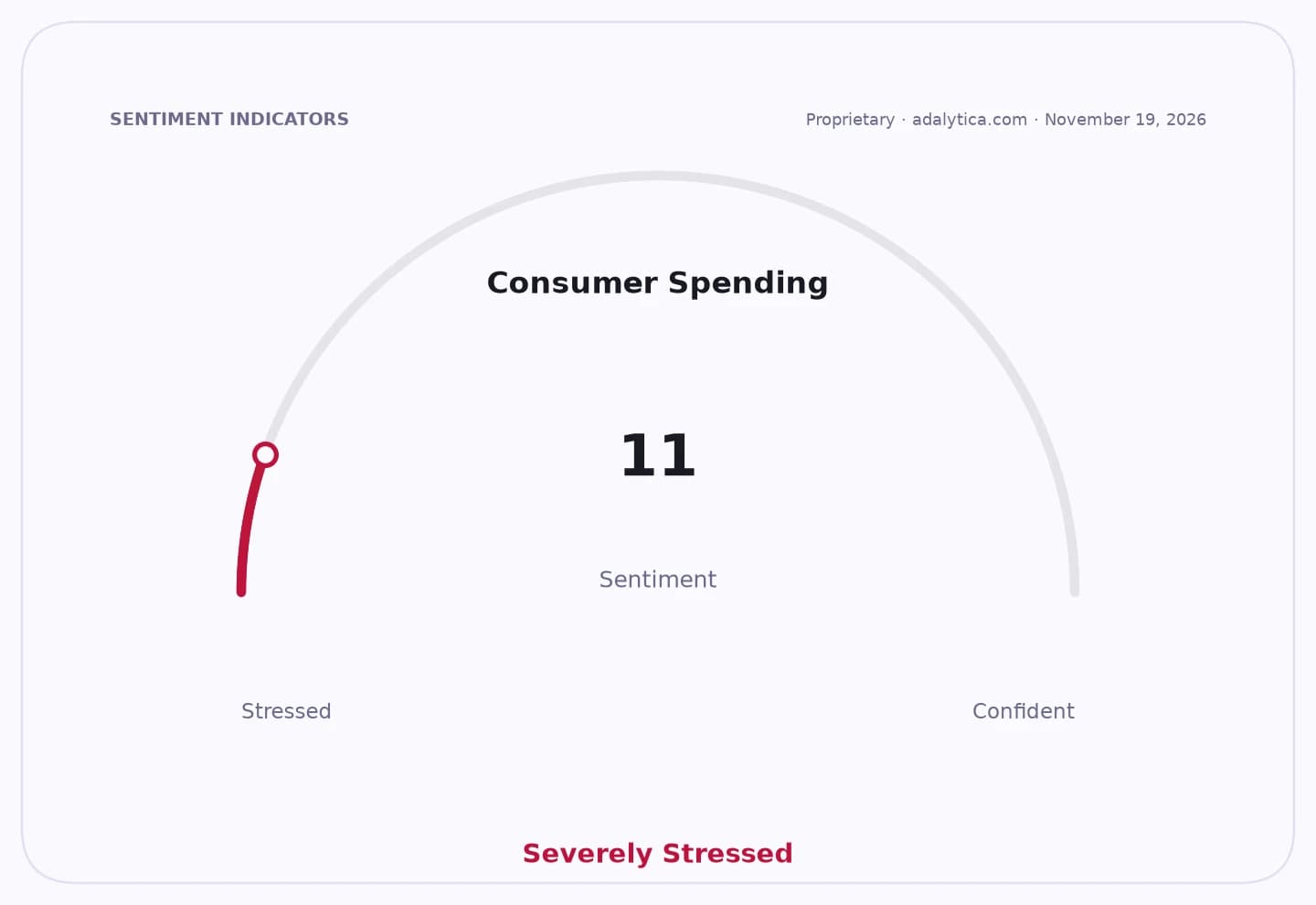
That shift matters because groceries are one of the few categories that can reveal whether households are still absorbing higher prices or are finally trading down. With the consumer price index forecast up 0.35% in November and producer prices expected to rise 1.07%, the inflation pulse is not gone. At the same time, Adalytica’s Food and Grocery Spending Sentiment is sitting at 25, in “Fear,” while broader Consumer Spending Sentiment has collapsed to 11, or “Extreme Fear.” The market is being handed a clear message: demand is alive, but price-sensitive.
Sentiment Indicators
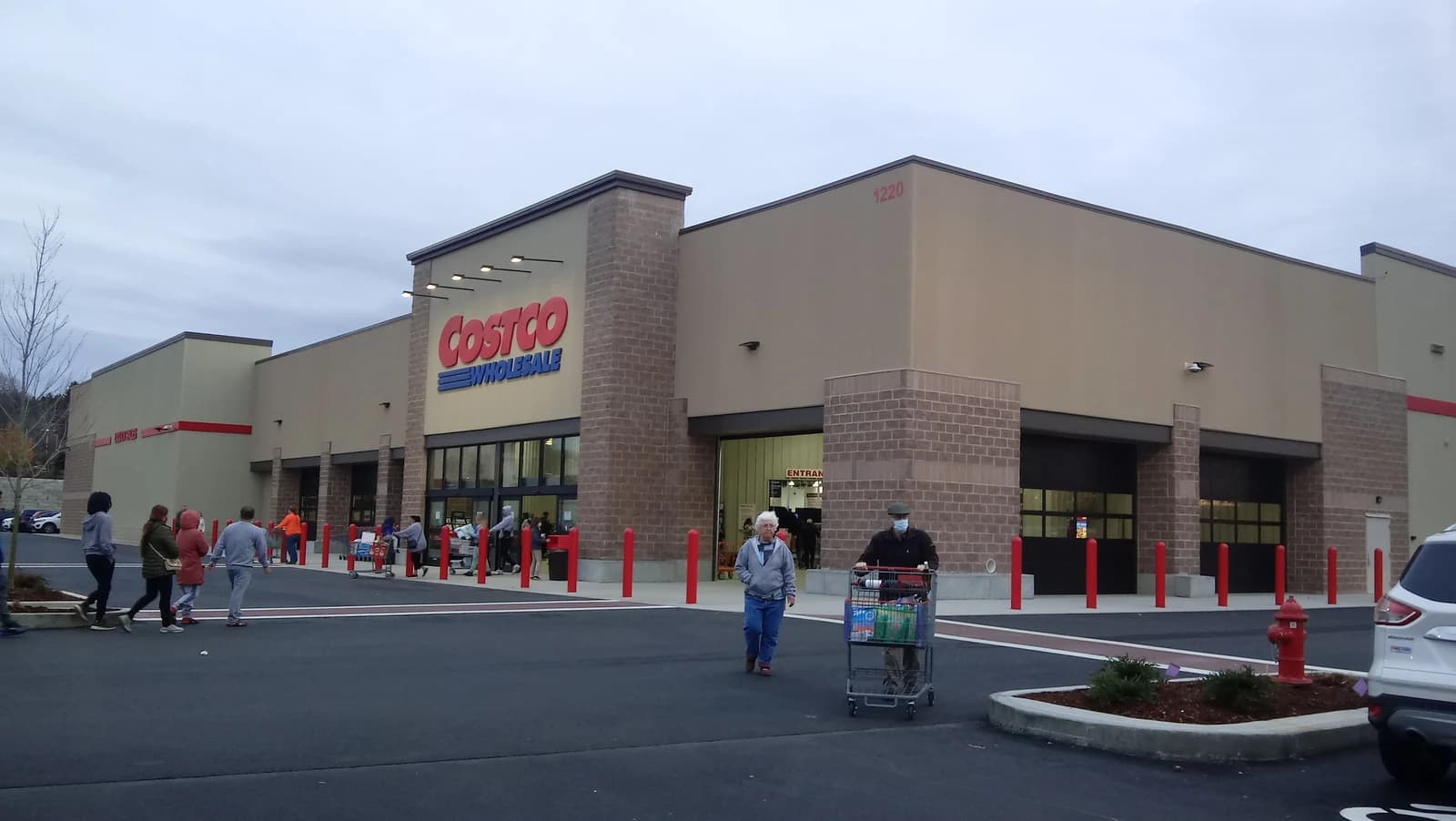
For investors, that makes the grocery trade a stock-picking exercise rather than a broad sector call. Costco, Kroger and Walmart are the clearest ways to play the next phase of consumer caution, but not equally. Costco remains the premium beneficiary of basket expansion and membership stickiness, with its share price still well above both its 50-day and 200-day moving averages, a sign that investors are still rewarding its defensive growth model. Walmart has also reasserted itself as a traffic winner, with the stock trading above both key moving averages and technical momentum still constructive after a powerful run. Kroger, by contrast, looks more like a relative value and execution story: the stock has recovered, but it remains below Costco and is tied more directly to supermarket margin pressure, promotions and the consumer’s willingness to trade down.
The broader narrative is that grocery is becoming a toll road on consumer stress. As households stretch paychecks, they do not stop buying food — they change where and how they buy it. That favors chains with scale, supply-chain leverage, private-label depth and omnichannel reach, while smaller or less differentiated operators risk getting squeezed between higher input costs and price competition.
Kroger’s recent e-commerce growth underscores how the fight for grocery share is shifting beyond the store aisle. Walmart’s continued strength suggests it can still pull traffic from rivals as shoppers hunt for value across food, general merchandise and pharmacy. Costco, meanwhile, benefits from the opposite behavior: consumers paying upfront for larger packs and lower unit costs. In a weak sentiment environment, that is exactly the kind of trade-up/down hybrid investors should own.
The setup into year-end is straightforward. If inflation stays sticky and sentiment stays depressed, the winners will be the retailers that can monetize value anxiety without destroying margin. That argues for keeping Costco and Walmart at the center of any defensive consumer basket, with Kroger as a more tactical play on food inflation, promotion intensity and market share shifts. The market may still be underestimating how durable this bargain-hunting cycle could be.
| Entity | Gains | Losses |
|---|---|---|
| Costco | ▲Bulk-buy demand; member loyalty | ▼Price-sensitive smaller grocers |
| Walmart | ▲Value traffic; market share gains | ▼Premium and mid-tier retailers |
| Kroger | ▲Trade-down shoppers; e-commerce growth | ▼Margin pressure; promotion rivals |
| Consumers | ▲Lower unit prices; more choice | ▼Discretionary spending power |