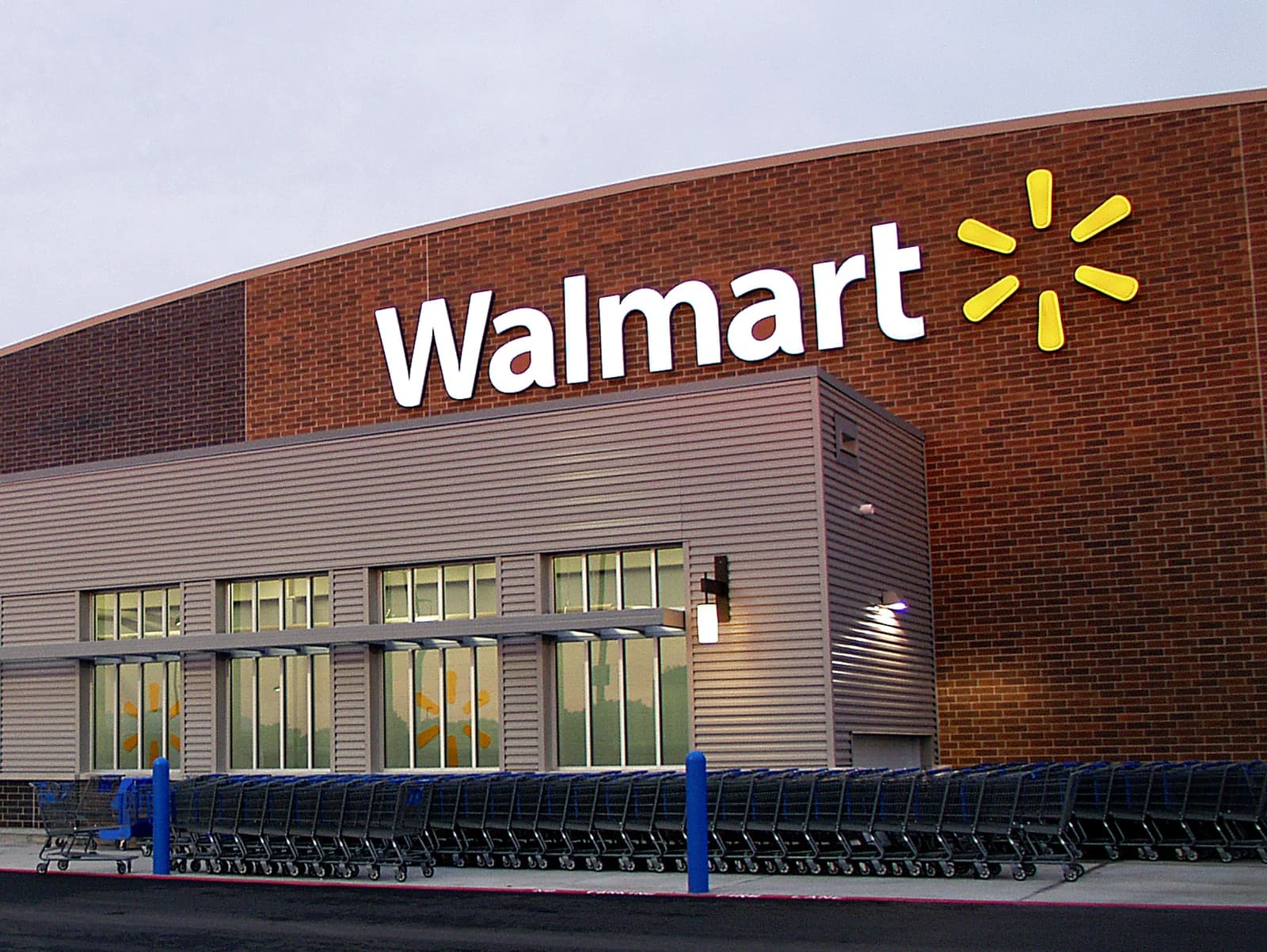
When Walmart leaves a town, the retail hit does not stop at the chain’s empty big-box lot: stores nearby see sales and foot traffic fall about 20%, underscoring how deeply the world’s largest retailer anchors local spending patterns.
Walmart store exits cut nearby retailer traffic
That is the central economic takeaway from the Walmart exit data — and it matters because Walmart is not just another store but a traffic engine that shapes where households shop, how often they shop and how much they spend. For local economies, the loss of a Walmart store can mean fewer impulse purchases, weaker spillover demand for neighboring grocers, pharmacies, fast-food chains and service businesses, and a broader decline in commercial activity around the site.
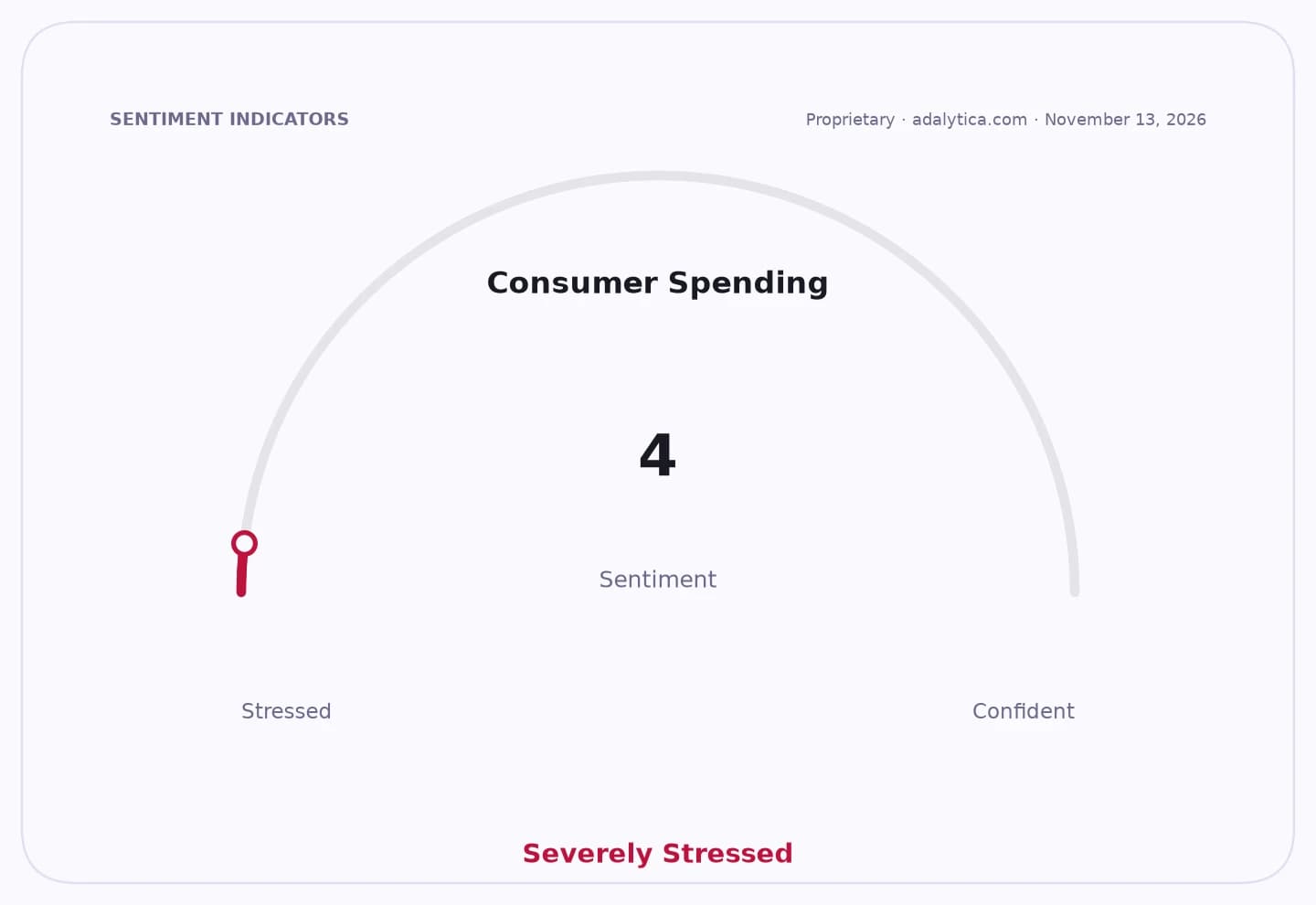
Sentiment Indicators
For investors, the read-through is straightforward but important. Walmart’s closure effect is a warning that retailers clustered around its stores benefit from the same foot traffic that can vanish almost overnight. The data also highlights Walmart’s continued leverage over value-conscious consumers even as holiday promotions ramp up. Bank of America has said the company is positioned to attract shoppers over Christmas through aggressive pricing, exclusive holiday merchandise and longer store hours, reinforcing its role as a destination for spending rather than just a merchant among many.
That helps explain why Walmart shares have remained resilient even as technical indicators suggest the stock has become stretched. The shares have climbed to around $128, well above the 50-day moving average near $114.5 and the 200-day average around $118.6, while the relative strength index at 66.2 points to strong momentum. Adalytica’s Walmart earnings sentiment snapshot, however, shows a sharp drop to 18, or “Fear,” even as awareness remains at an “Extreme Greed” level of 93, suggesting investor attention is elevated but conviction may be more fragile after a strong run.
The broader implication is that Walmart’s pull on consumer traffic remains one of the most important forces in U.S. retail real estate. The same scale that supports its own sales can pressure nearby competitors when it exits, and that effect is especially relevant heading into the holiday season, when every percentage point of traffic can translate into meaningful revenue swings for stores living in Walmart’s shadow.
For the market, the question is not whether Walmart can keep drawing shoppers — it clearly can — but how much of the surrounding retail ecosystem depends on that draw. That makes Walmart both a beneficiary of value-seeking consumers and a systemic risk for smaller retailers that rely on its footfall.
| Entity | Gains | Losses |
|---|---|---|
| Walmart | ▲retains shopper loyalty | ▼little from exit spillover loss |
| Nearby retailers | ▲nothing from exit | ▼traffic and sales decline |
| Consumers | ▲stronger discount access at Walmart | ▼fewer convenient local options |
| Local property owners | ▲potential redevelopment opportunity | ▼vacancy and weaker foot traffic |