Amazon is entering the holiday season with a powerful opening: shoppers frustrated by big-box pricing and promotion tactics are shifting their carts online, and that can give the e-commerce giant an outsized share of early spending.
Amazon Holiday Demand and Retail Share Shift

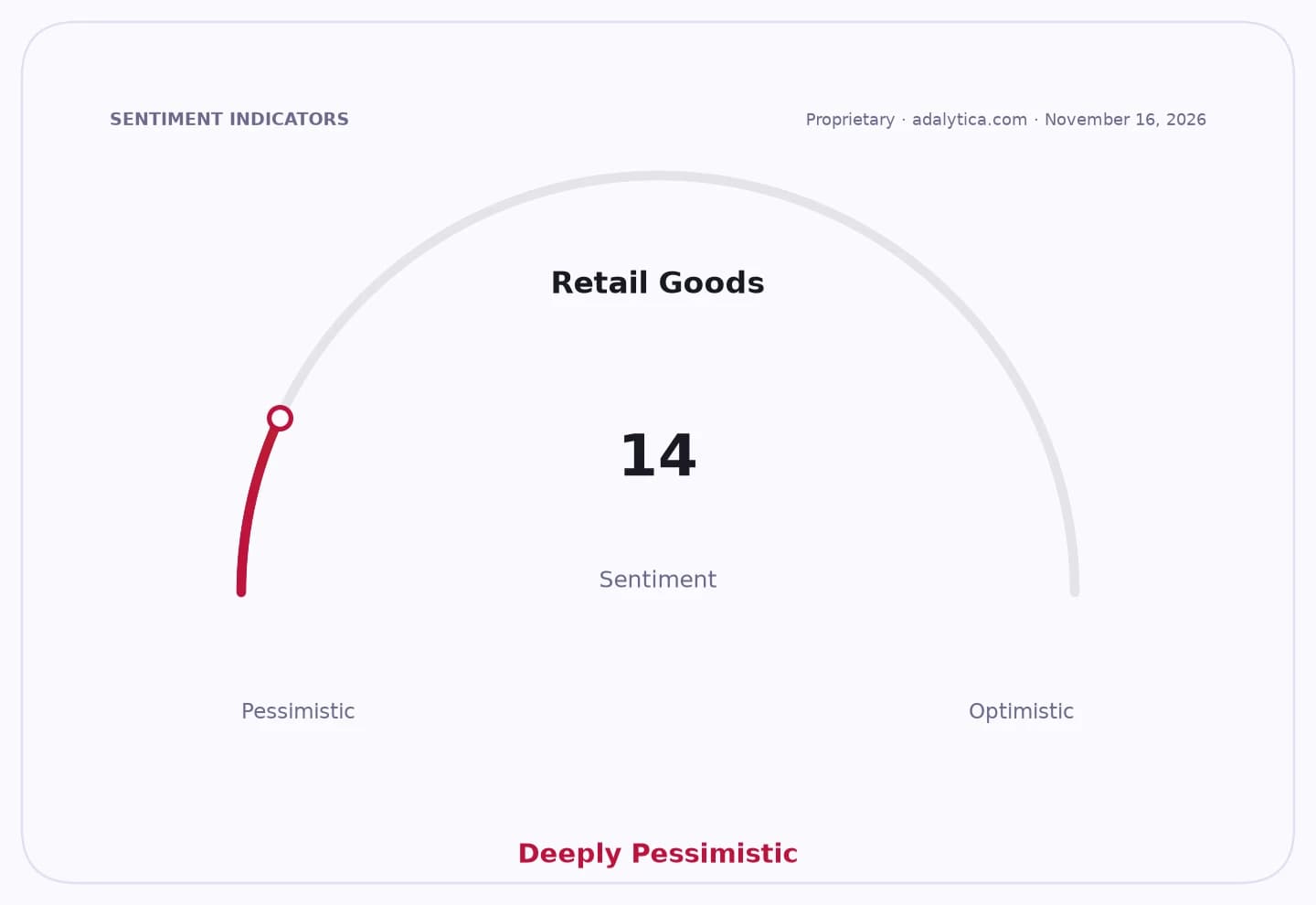
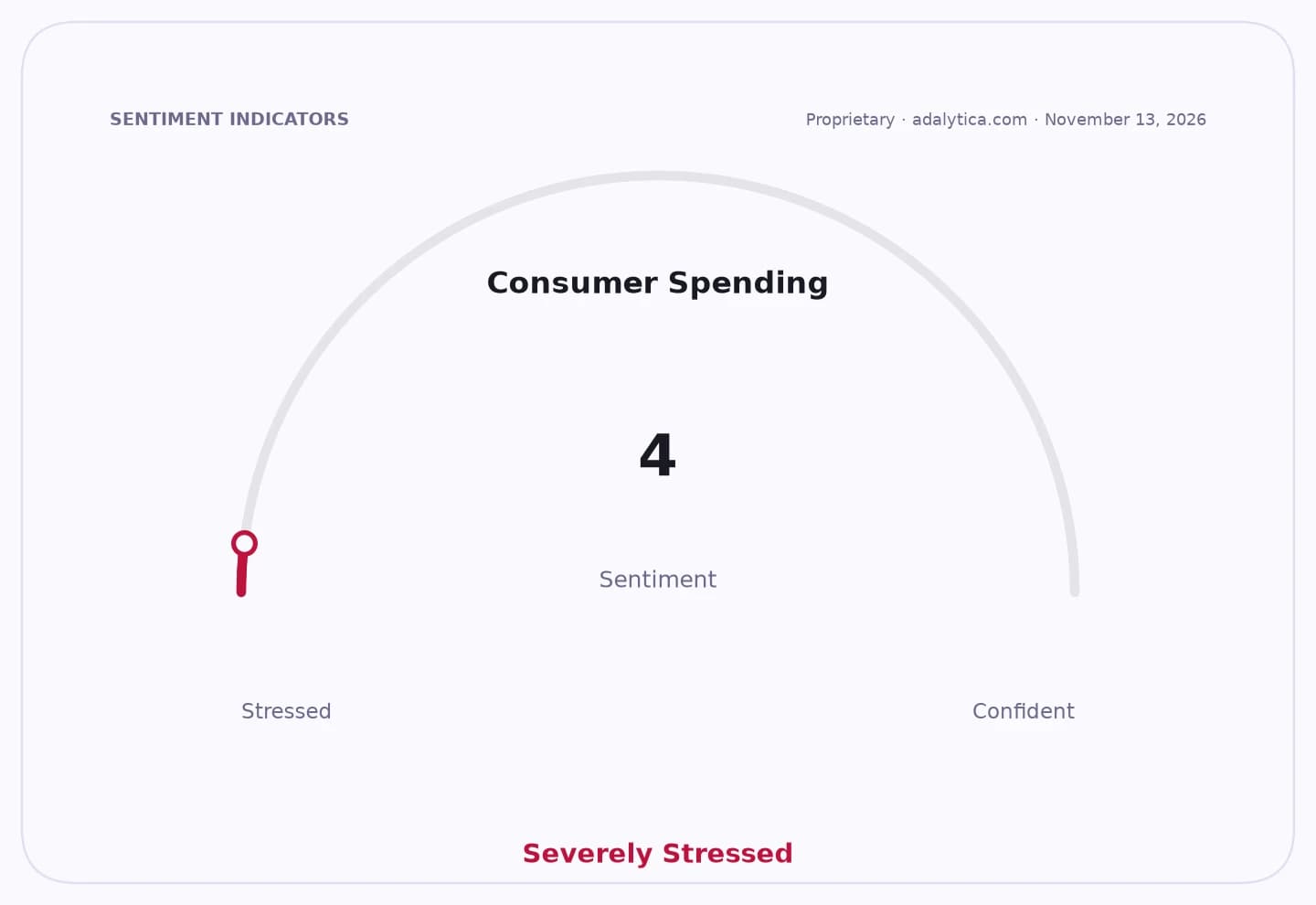
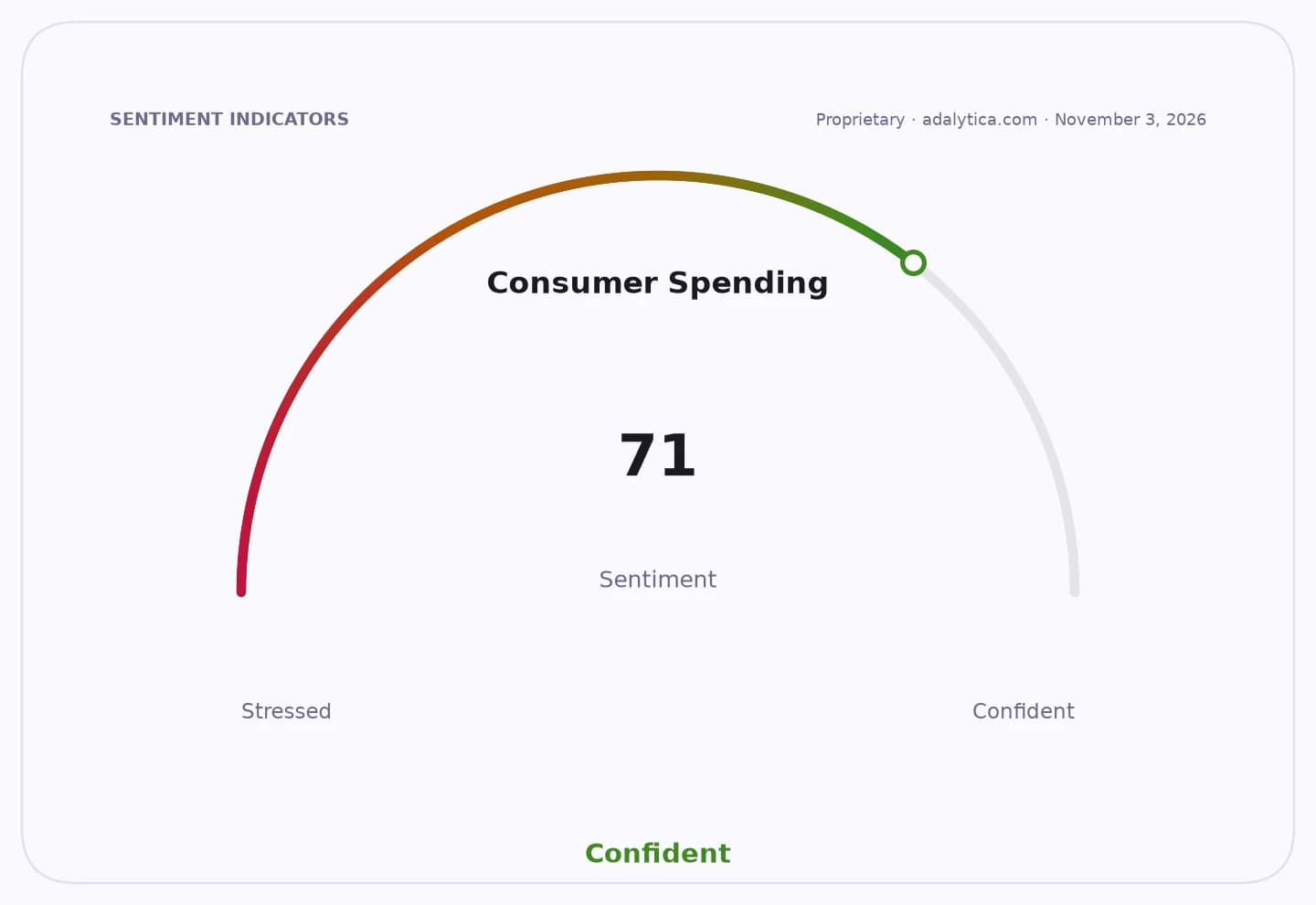
That matters because the holiday quarter is still the most important profit window for U.S. retail, and even a modest reallocation of traffic can swing who wins inventory turns, advertising dollars and fulfillment revenue. Adalytica’s consumer spending gauge is in extreme fear at 7, while retail goods spending sentiment sits at 29, showing shoppers are cautious but still active enough to hunt for the best deal rather than wait for stores to reset their promotions.
Sentiment Indicators
The setup favors Amazon because it is built to capture urgency. When Walmart and Target misprice the value proposition — whether through uneven discounts, cluttered promotion calendars or the simple friction of making shoppers compare across aisles and apps — Amazon becomes the default shelf. It has the scale, selection and delivery speed to convert comparison shopping into immediate sales, and that is exactly the behavior a nervous consumer is likely to choose heading into December.
The stock action suggests investors are already leaning that way. Amazon shares closed at $257.89 on Nov. 17, above the 200-day moving average of $244.76 and just over its 50-day average of $254.81, with RSI at 52.2, leaving room for another leg if holiday demand accelerates. Walmart, meanwhile, is still well above its 200-day line but has faded from an overbought stretch, while Target has recovered sharply from spring lows yet remains the more vulnerable name if the consumer keeps trading down and shopping around.
Retail Goods vs AMZNadalytica.com
Explore this data interactively — full history, time series and cross-market comparisons.
This is where the market may still be underestimating the second-order winners. Amazon does not just gain from merchandise volume; it can also benefit from higher ad spending by brands chasing conversion, more Prime engagement and more pressure on sellers to stay competitive. If shoppers are moving early and price-sensitive, Amazon’s marketplace model becomes a toll road through the season.
The longer the holiday period stays promotional, the more this turns into an Amazon story rather than a broad retail story. Walmart can defend share with grocery traffic and Target can lean on discretionary deals, but the clearest asymmetric opportunity remains the platform that profits when consumers do not stay loyal to one store. In our view, that keeps Amazon the better buy into the holiday stretch, while Walmart and Target face the harder task of proving their promotions are driving profitable demand rather than handing traffic to a rival.
| Entity | Gains | Losses |
|---|---|---|
| Amazon | ▲Holiday share gains | ▼Fewer lost baskets |
| Walmart | ▲Traffic defense | ▼Margin pressure |
| Target | ▲Clearance sell-through | ▼Share leakage |
| Consumers | ▲Lower prices | ▼More deal fatigue |