Amazon’s unexpected discount on AirPods is a reminder that the battle for holiday electronics spending is turning into a margin fight, with Apple and other premium brands facing deeper price pressure just as consumers grow more selective. For investors, that matters because the biggest gains in retail this season may not go to the brands with the most loyal customers, but to the platforms that can still win traffic by cutting prices fast.
Amazon AirPods Discount Pressures Apple Pricing
Retail Goods
The immediate economic takeaway is simple: when a product as recognizable as AirPods gets marked down hard on Amazon, it lowers the barrier for cautious shoppers to pull forward spending before the holidays. That can help lift unit volumes across the category, but it also compresses pricing power for manufacturers and raises the stakes for retailers chasing volume over margin. In a season already shaped by weaker consumer sentiment, discounts become a demand lever — and a profit headwind.
Sentiment Indicators
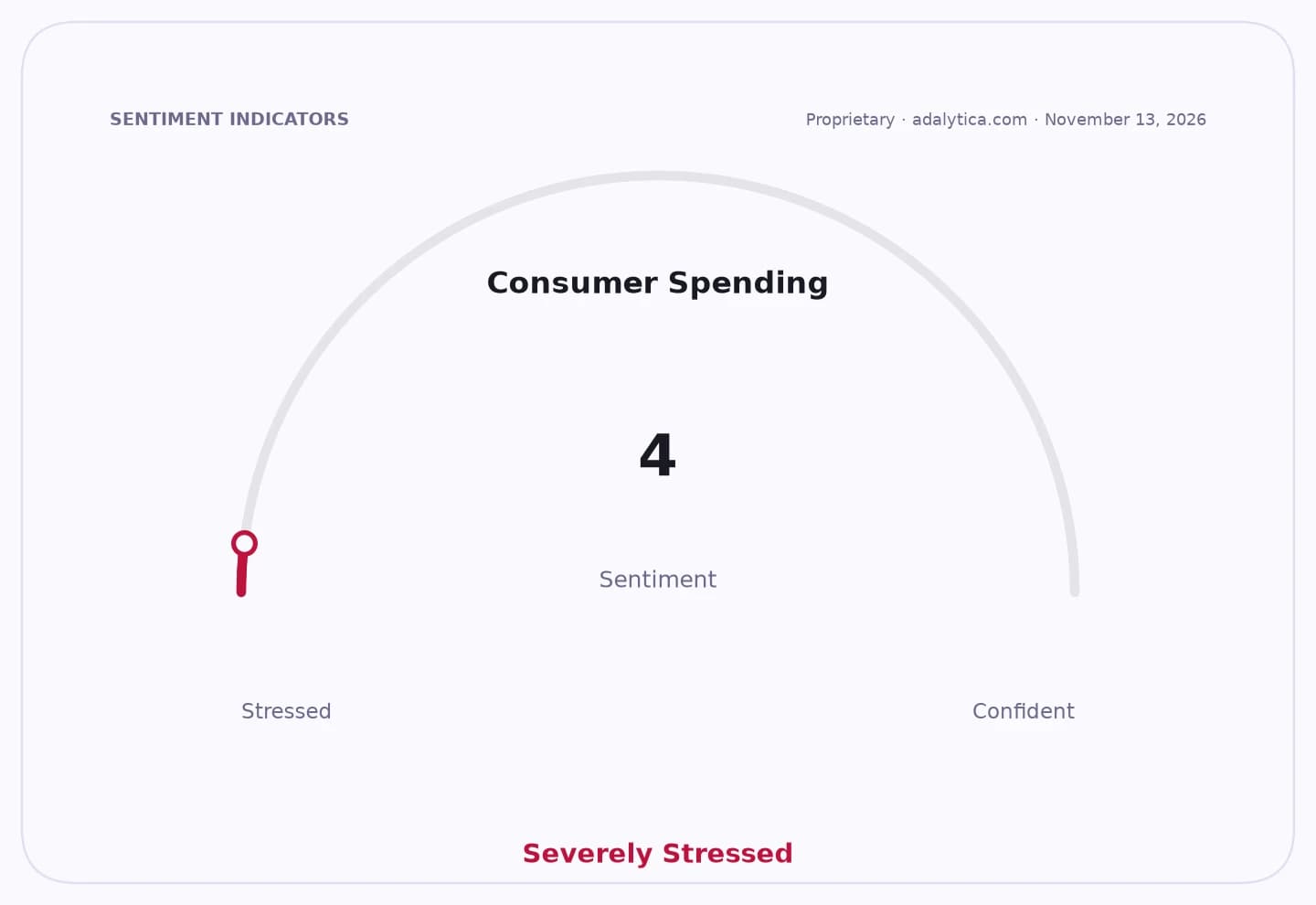
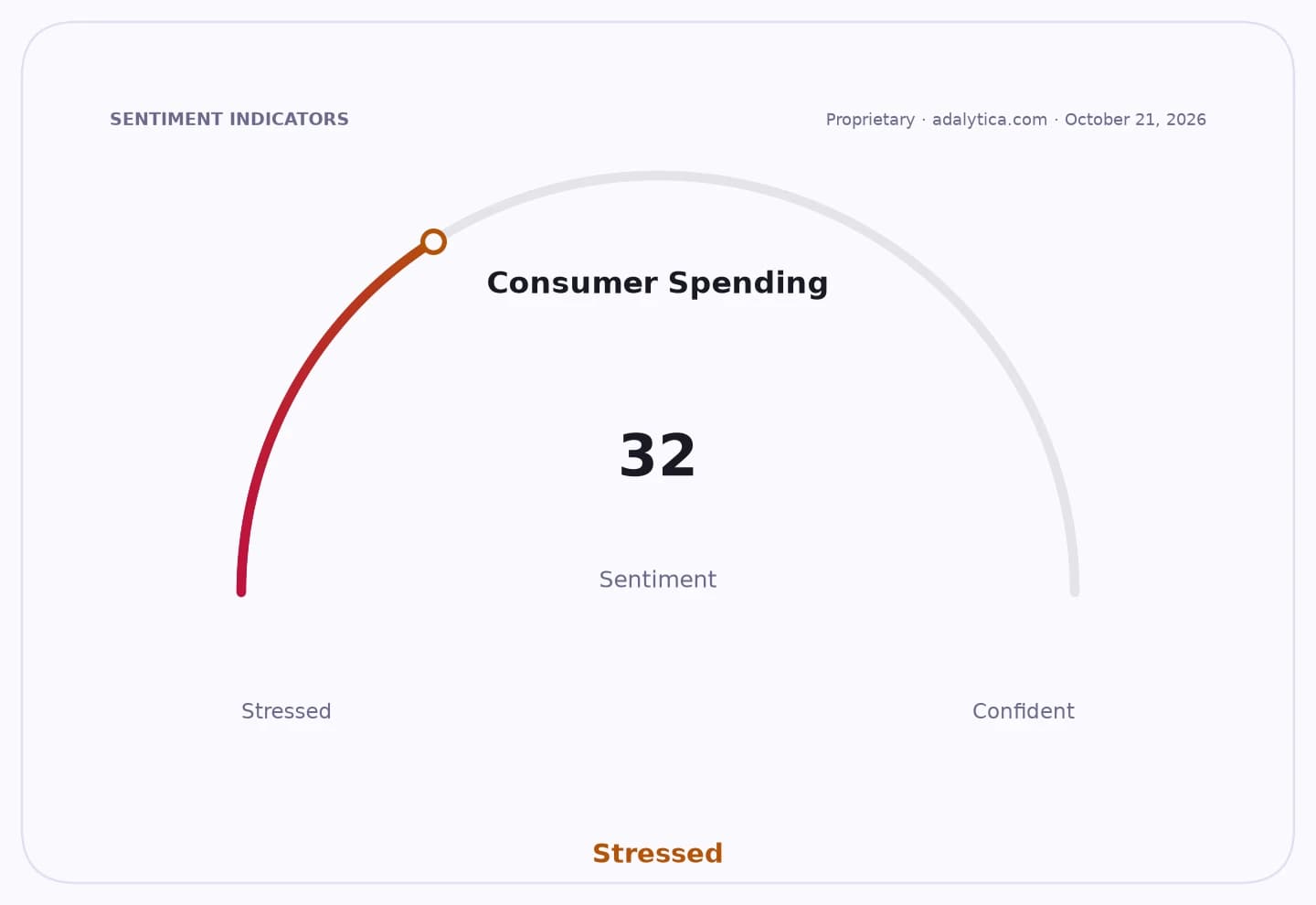
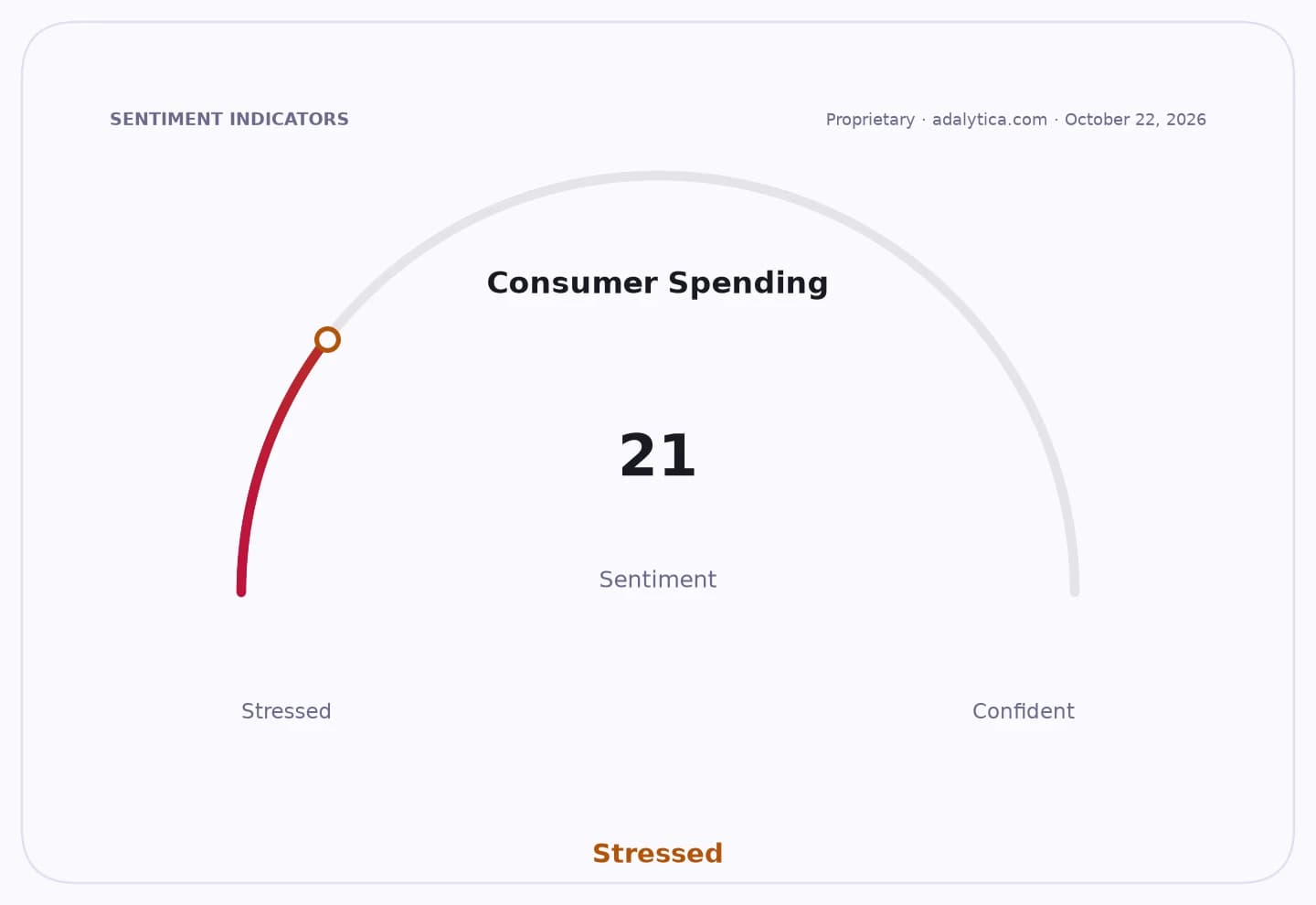
That dynamic is especially important now because retail sentiment data from Adalytica shows consumer spending confidence in “extreme fear,” while retail goods spending sentiment remains deeply depressed. Consumers are still buying, but they are increasingly conditioned to wait for promotions, compare across channels and treat premium electronics as discretionary rather than must-have purchases. That is exactly the environment in which surprise deals matter most: they can move inventory quickly, but they also train shoppers to expect lower prices.
For Apple, the risk is not that AirPods stop selling. It is that the channel structure around its products becomes more promotional. Apple still benefits from ecosystem lock-in and strong brand equity, but recurring discounting on one of its best-known accessories can chip away at the premium positioning that supports pricing across the lineup. If buyers come to expect AirPods discounts on Amazon, that pressure can spill into other accessories and eventually into broader holiday demand for tablets, wearables and even iPhones.
Amazon, meanwhile, is playing the better tactical game. The company does not need every discounted AirPods sale to be highly profitable if the promotion helps capture traffic, cross-sell higher-margin goods and keep shoppers inside its ecosystem during peak season. That is why this kind of surprise sale matters strategically: Amazon can use iconic hardware as a loss leader to defend share, while brands with less pricing flexibility are forced to absorb the margin pain.
The broader setup still favors the platforms and the shippers of demand, not the sellers of premium goods. Walmart’s stock has been strong, reflecting its ability to benefit from value-seeking shoppers, while Amazon has been consolidating above key long-term trend levels, with the shares still above the 200-day moving average despite recent volatility. By contrast, Apple has been more range-bound, even as the stock remains well above long-term support. The market is already telling investors that distribution and deal-making power are becoming as important as product quality.
The opportunity here is not to chase the discount itself, but to position for the second-order winners: Amazon, Walmart, logistics, fulfillment and selected consumer-discretionary names that can absorb traffic from bargain-hungry shoppers. The losers are the premium brands that rely on price discipline and the assumption that consumers will pay up without hesitation. In a holiday season shaped by weak spending sentiment, that is a dangerous assumption.
The next catalyst is whether these early promotions spread beyond AirPods into a wider electronics discount war. If they do, investors should expect stronger unit growth, weaker gross margins and a clearer divide between companies that own demand and companies that merely supply it. In this market, that distinction is where the alpha lives.
| Entity | Gains | Losses |
|---|---|---|
| Amazon | ▲More holiday traffic | ▼Lower per-unit margins |
| Apple | ▲Higher AirPods volume | ▼Weaker pricing power |
| Walmart | ▲Value-seeking shoppers | ▼Less premium basket mix |
| Premium electronics rivals | ▲--- | ▼Deeper promo pressure |